
News
Lagos Assembly Resist As Obasa Pushes For Clerk’s Reinstatement

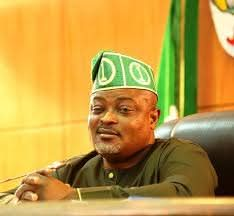
Lagos Assembly Resist As Obasa Pushes For Clerk’s Reinstatement
Lagos Assembly resist as Obasa pushes for clerk’s reinstatement. Reinstated Speaker of the Lagos State House of Assembly, Mudashiru Obasa, held a reconciliation meeting with lawmakers on Tuesday following the recent leadership crisis that led to his removal and subsequent reelection.
The meeting, held at the Assembly complex in Alausa, Ikeja, came after Mojisola Meranda resigned as Speaker and returned to her former position as Deputy Speaker, following intervention from APC leaders Bisi Akande and Olusegun Osoba.
Key Points from the Meeting:
Lawmakers remain divided over Obasa’s return, with some still bitter about how they were pressured into reinstating him.
Discussions focused on the case involving suspended Clerk Olalekan Onafeko, who had sued the Assembly after being replaced with Ottun Babatunde following Obasa’s removal in January.
Obasa is pushing for Onafeko’s reinstatement, but many lawmakers oppose this move, though some are reconsidering.
Tensions Remain in the Assembly:
Some lawmakers complained about Obasa’s leadership style, including starting the meeting late without an apology.

Lagos Assembly
Obasa’s return was not a unanimous decision, with lawmakers saying they only reinstated him out of respect for APC leaders. The House remains divided, and lawmakers doubt whether normalcy will return anytime soon.
Meanwhile, Onafeko remains open to a political resolution while awaiting the court’s decision on his case. It remains unclear if Obasa will withdraw his legal action against the Assembly.






News
Information Minister Called on Nigerians to Rise Above Religious, Says Nigeria Needs Unity Now More Than Ever

Information Minister Called on Nigerians to Rise Above Religious, Says Nigeria Needs Unity Now More Than Ever
The Honourable Minister of Information and National Orientation, Mohammed Idris, has called on Nigerians to rise above religious, ethnic and political differences and unite against insecurity and other challenges confronting the country, declaring that Nigeria needs unity now more than ever.
Eereporter.com
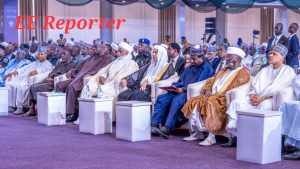
Idris spoke on Tuesday on the sidelines of the International Conference on “Diversity and Social Peace: A Partnership for a Promising Future,” organised by the Jama’atu Izalatil Bid’ah Wa Iqamatus Sunnah (JIBWIS) in partnership with the Muslim World League in Abuja.
The Minister said the diversity of participants at the conference demonstrated a shared recognition that Nigeria’s security, stability and prosperity depend on citizens working together across religious, ethnic and political divides.
“All of us need to come together, think as Nigerians, think as human beings, and work together, irrespective of our differences, so that we can act as one,” Idris said.
He stressed that religious and ethnic divisions would only complicate the fight against insecurity, urging Nigerians to reject violence, intolerance and attempts to exploit the country’s diversity.
“There is no time for differences. If, in our fight against insecurity, we allow religious differences, it will only exacerbate the problem. The need for us to come together as one people is important,” he said.
Idris clarified that the conference was not organised by the Federal Government but said the government strongly welcomed initiatives that promote interfaith dialogue, peaceful coexistence and national cohesion.
“If we want to advance and march towards prosperity, all of us must think and act together and come together as one people,” the Minister stated.
He said Nigeria’s population, strategic importance and influence make its peace and stability consequential for Africa and the wider world.
“Nigeria is a very important country. It is a country of over 230 million people. Peace and tranquillity here mean peace and tranquillity everywhere in Africa and, indeed, the world,” he said.
Representing President Bola Ahmed Tinubu at the conference, the Deputy President of the Senate, Senator Barau I. Jibrin, conveyed the President’s commitment to sustainable security, national unity and international cooperation, noting that Nigeria would continue working with international partners to promote peace and stability.
The Secretary-General of the Muslim World League and Chairman of the Organization of Muslim Scholars, Sheikh Mohammed bin Abdulkarim Al-Issa, urged Nigerians to protect their shared humanity and reject attempts to weaponise religion, ethnicity or poverty to divide the country.
The Sultan of Sokoto, His Eminence Muhammadu Sa’ad Abubakar III, called for sustained dialogue, honesty and stronger implementation of solutions to Nigeria’s challenges, while urging Nigerians to rebuild trust and strengthen interreligious cooperation.
National Chairman of the All Progressives Congress, Prof. Nentawe Yilwatda, urged Nigerians to see the country’s diversity as a source of strength rather than division, stressing that Nigerians may worship differently but share common aspirations and challenges.
The National Chairman of JIBWIS, Sheikh Abdullahi Bala Lau, advocated stronger collaboration among government, religious organisations and communities to tackle insecurity, while calling for increased investment in education and skills development to reduce youth vulnerability to radicalisation and criminal recruitment.
Information Minister
In attendance were the Deputy President of the Senate, Senator Barau I. Jibrin, CFR, who represented President Bola Ahmed Tinubu; Governor of Kaduna State, Senator Uba Sani; Governor of Jigawa State, Malam Umar Namadi; Governor of Borno State, Professor Babagana Umara Zulum; Minister of Livestock Development, Idi Mukhtar Maiha; Sultan of Sokoto, His Eminence Alhaji Muhammad Sa’ad Abubakar III, CFR; National Chairman of the All Progressives Congress (APC), Prof. Nentawe Yilwatda; Secretary-General of the Muslim World League and Chairman of the Organization of Islamic Scholars, Sheikh Mohammed bin Abdulkarim Al-Issa; National Chairman of the Jama’atu Izalatil Bid’ah Wa Iqamatus Sunnah (JIBWIS), Sheikh Abdullah Bala Lau; President-General of the Nigerian Supreme Council for Islamic Affairs (NSCIA), alongside other senior government officials, religious and traditional leaders, members of the diplomatic corps, civil society representatives and other distinguished guests.
Rabiu Ibrahim, MNIPR
Special Assistant (Media) to the Honourable Minister of Information and National Orientation
Tuesday, 11 August 2026
Eereporter.com
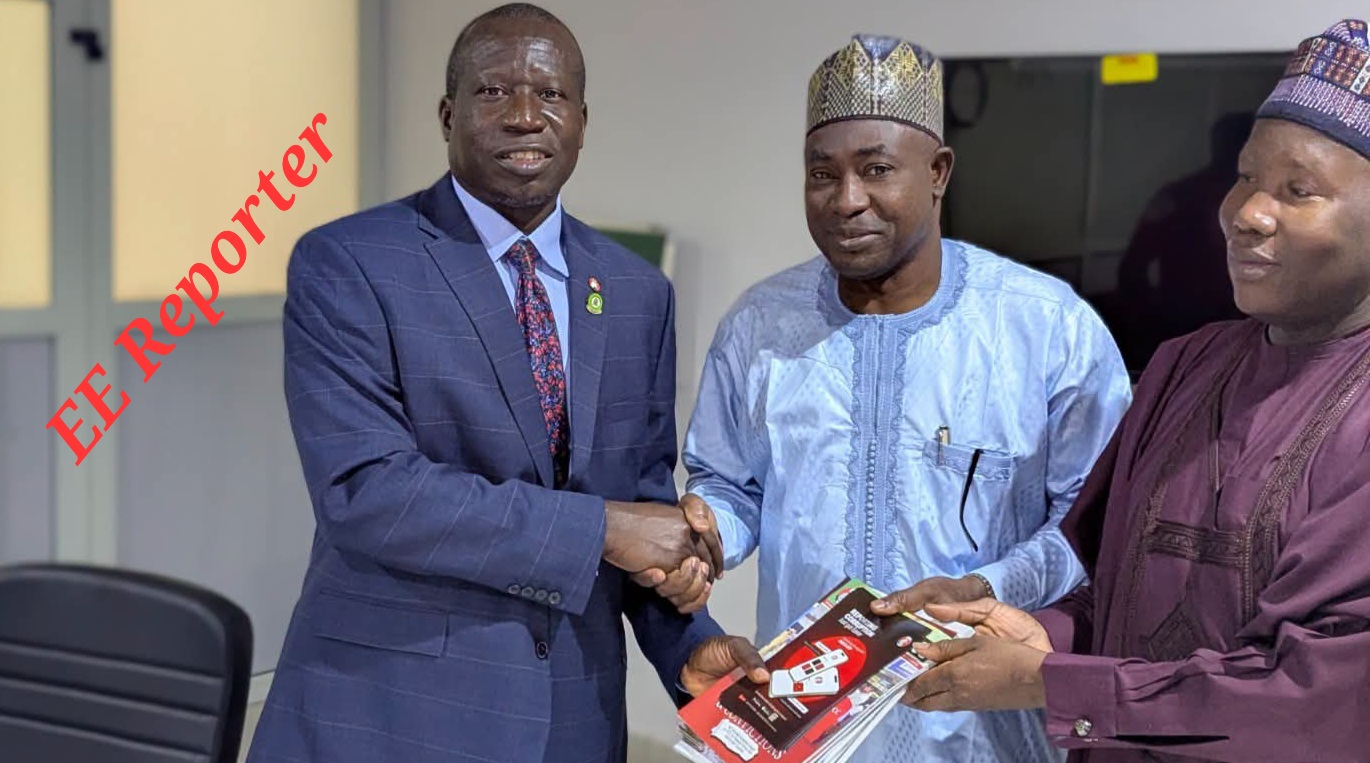
EFCC, NRS in Fresh Collaboration During Courtesy Visit to the Regional Administrator in Kano
The Acting Zonal Director of the Economic and Financial Crimes Commission (EFCC), Kano Directorate, Assistant Commander of the EFCC, ACE1 Friday S. Ebelo, on Monday, August 10, 2026 paid a courtesy visit to the Regional Administrator of the Nigeria Revenue Service, NRS, Dr. Ismail Abdullahi, at the Service’s Kano office.
Eereporter.com
The visit was aimed at strengthening the existing mutual partnership between the two agencies, particularly in the areas of intelligence sharing and collaborative enforcement to boost national revenue generation.
Speaking on behalf of the Executive Chairman of the Commission, Mr Ola Olukoyede, Ebelo commended the NRS for its leadership and foresight, describing the recent strides in tax administration as historic and worthy of commendation. He emphasized the EFCC’s strategic mandate in coordinating the fight against economic and financial crimes, noting that the Commission will not tolerate any acts of tax evasion or financial malfeasance that undermine the nation’s economy.
“As you are aware, our agency holds a strategic position in coordinating economic and financial crimes-related activities in the country. We will not stay back and watch individuals cheat the nation of its legitimate revenue,” he said.
The Zonal Director further explained that the visit was overdue and crucial for reinvigorating the collaboration between both institutions. He solicited increased partnership with the NRS to ensure that defaulters are brought to book and that the nation’s revenue drive is significantly boosted.
In his remarks, Abdullahi welcomed the EFCC delegation and expressed delight at the visit. He highlighted the importance of inter-agency synergy in tackling tax fraud and ensuring voluntary compliance.

NRS, EFCC
“We are happy to collaborate with you. This relationship has existed for some time, and it is a good thing that we collaborate to make it work even better. Our core mandate is to assess and collect revenue, and we believe that we are here to serve. We will be very much glad to collaborate with you in terms of intelligence sharing and investigative activities,” he said.
He also clarified the Agency’s expanded role, noting that the change of name from Federal Inland Revenue Service to Nigeria Revenue Service reflects its broader, umbrella function in the country’s tax administration.
Eereporter.com

Gombe Governor Inuwa Yahaya Meets Umahi, Intensifies Push for Federal Road Projects
Gombe State Governor, Muhammadu Inuwa Yahaya, CON, has renewed his push to position Gombe firmly within the Federal Government’s infrastructure agenda, with emphasis on major road corridors critical to unlocking the agricultural, commercial, industrial and tourism potential of the state and the wider North-East.
Eereporter.com
The Governor made the fresh push during a meeting with the Minister of Works, Senator David Umahi, on Monday in Abuja.
The engagement is part of Governor Inuwa Yahaya’s sustained efforts to secure strategic federal interventions in road infrastructure, which he considers critical to improving connectivity, opening up economic opportunities and strengthening regional integration.
At the centre of the discussion was the Gombe-Biu axis of the Akwanga- Jos – Bauchi – Gombe – Biu – Maiduguri Super Highway, a major infrastructure project recently approved and flagged off by the Federal Government.
Governor Inuwa Yahaya has been particularly persistent in advocating the early commencement of the Gombe-Biu axis, recognising the strategic importance of the corridor to Gombe State and the North-East subregion.
His advocacy has included repeated engagements with the Ministry of Works and other relevant federal authorities, culminating in the recent visit of Senator Umahi to Gombe, where he joined Governor Inuwa Yahaya and members of the National Assembly in performing the groundbreaking ceremony for the project.
With the groundbreaking completed, the Governor, with all sense of gratitude to the President, is now pressing for sustained momentum towards full-scale construction and timely delivery.
A key component of the Governor’s push is the consideration of new Northern and Southern bypasses for Gombe metropolis, which would open up the state capital from both ends, provide strategic connections to the Gombe-Biu corridor, ease pressure on the city’s existing road network and facilitate smoother movement of traffic, people and goods.
In his brief remark, the Works Minister, Sen. David Umahi, described the Gombe- Biu axis of the super highway as a priority project of the President Bola Ahmed Tinubu administration, assuring Governor Inuwa Yahaya that his request to commence the project from the proposed point of interest would be duly considered as work gets underway in earnest.
Senator Umahi also expressed confidence in the capacity of the contractor handling the project, Hitech Construction Company, describing the firm as one of the most competent contractors for major infrastructure projects.
Beyond the specific project, the Minister commended Governor Inuwa Yahaya for his commitment, persistence and sincerity of purpose in pursuing development projects for the people of Gombe.
Reflecting on his recent visit to the state, Senator Umahi said the experience had given him a deeper appreciation of the scale and quality of development taking place in Gombe under the present administration.
“Since my visit to Gombe, I have become like your ambassador, anywhere I go I talk about your state and the developmental strides I have witnessed. I tell people, when you want to see genuine development and visionary leadership, go to Gombe.”
He assured the Governor that the Federal Government would deliver the project, expressing confidence that its completion would bring significant benefits to the people and further demonstrate the impact of the Tinubu administration’s infrastructure agenda.
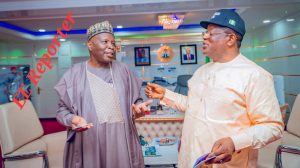
Gombe Governor, Umahi
The Minister equally acknowledged Governor Inuwa Yahaya’s continued advocacy for the rehabilitation and reconstruction of other strategic highways serving the North-East, including the Gombe -Bajoga- Potiskum, Gombe -Dukku -Darazo and Gombe-Bauchi corridors.
For Gombe, these roads are economic lifelines connecting farmers to markets, communities to commercial centres and the state to neighbouring economic hubs.
Eereporter.com
-
 Crime1 year ago
Kogi Assembly Considers Law To Regulate Rent, Establish Control Board: Tenancy Law
-
 News1 year ago
Atiku Reveals Why He Failed To Pick Wike As Running Mate In 2023
-
 Akwa Ibom2 years ago
The Apostolic Church Gets New Territorial Chairman, Exco
-
 Crime1 year ago
Federal High Court Jails 2 For Vandalizing Transformer, Telecom Mast In Kogi
-
 News2 years ago
The Apostolic Church Gets New National President, Executive
-
 Akwa Ibom2 years ago
Umo Eno Commences Payment Of 80,000 Naira Minimum Wage With Arrears
-

 News1 year ago
Senator Natasha Returns To Senate With Husband Amid Seat Dispute
-
 Economy1 year ago
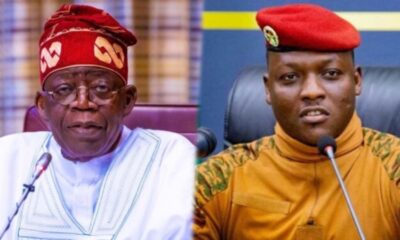
Kiyosaki: Is Tinubu’s Government Afraid Of Ibrahim Traore?