
News
It’s Time To Start Preaching Jihad, Kogi Jihadist Threatens Yorubas For Rejecting Sharia Law

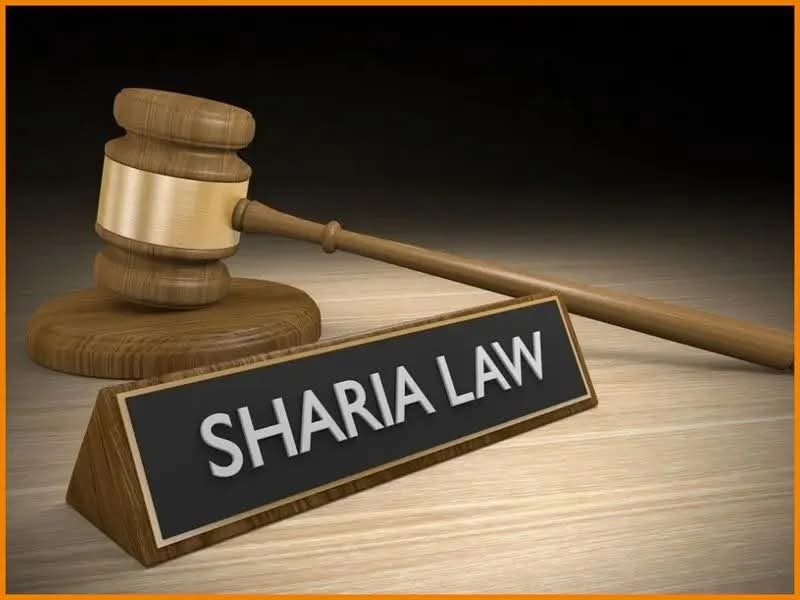
It’s Time To Start Preaching Jihad, Kogi Jihadist Threatens Yorubas For Rejecting Sharia Law
It’s time to start preaching jihad, Kogi jihadist threatens Yorubas for rejecting sharia law. A recent online discussion has sparked concern within the Yoruba community after an Okun man from Kogi State, who identifies more with his Fulani heritage, made alarming remarks directed at the Yoruba people.
During a recorded X Space discussion titled “No Space for Hate Mongering in Nigeria,” the individual stated, “It’s time for Jihad conversation to start,” raising fears about the intent behind his words.
His statement was filled with threats and intimidation, particularly directed at Yoruba conservatives. The Okun man, who is identified as Abbey on the space, argued that the rights of Muslims to practice Islam are under threat because the Yoruba people have rejected the implementation of Sharia law in the South West region.
He said, “When you now have a particular tribe, and I keep saying it, Yoruba tribe fell so horribly. I don’t know where we got it wrong but I am ashamed that I even have traces of Yoruba heritage. When I look at what has happened in the last few hours or few months since the ISP (Independent Sharia Panel) conversation took off.
That is when Jihad conversation should come about. That is why we should even be discussing it; what is Jihad all about?
“If you have state governors giving voices to the online mobs and vagabonds, and people who don’t even have a name or a face. You have state governments, you have Christian traditional rulers also amplifying and giving them voices. Then you should know that you are now at the breaking point.”
He said he felt sorry for Muslims in Southwest Nigeria, claiming that their plight is not different from that of Palestinians in Gaza amid Israeli occupation.
He said, “You should know that you are now in a situation whereby you are not in any way better than the Palestinians and people in Gaza. The only difference is that while it is foreigners, the Israelis trying to steal the land of the Palestines, your so-called Yorubas are the ones trying to render you as second-class citizens in your own fatherland.
“They are ones that want to ostracise you and your religion simply because they are either too uninformed or the level of their islamophobia cannot just be helped anymore. I would be surprised if we are having a conversation and at the end of the day, we allow people with agenda to come and interject it.”
Describing himself as non-Yoruba, he said he is an Okun man with a Fulani mother. However, he said he identifies more with his Fulani heritage.
Abbey added that the conversation is only setting the stage for what is to come in the coming days and months.
He said, “Like I said, I am not a Yoruba man, I’m an Okun man. I’m not from the southwest; I’m from Kogi State. And as a Muslim, the Sultan speaks for me and represents my interest.
So when a group of barbarians in the so-called Yorubaland, southwest Nigeria, the Yoruba nation terrorists and their apologists, when you see the unprintable names that they have been calling the Sultan.
“This is just a warning. Alaafin of Oyo is not someone that we cannot also drag, the Ooni of Ife is not somebody that we cannot drag. When you decide to be unfortunate and we decide to push back, you now say, ‘Oh, I told you, he is not Yoruba, he is a Fulani slave.’ Yes, I am.
My mother is Fulani. In fact, I identify more with my Fulani heritage. So this will be just wetting the ground for what will be happening in the coming months, coming days, and the coming weeks.”
He further asserted that he does not require the votes of the Yoruba people, implying a disregard for their political power and influence.
He said, “If I ever come to you to ask for your votes, the hell with you and your votes.
“I don’t need the vote of Lagos, I don’t need the vote of Osun, I don’t even need whatever your so-called Yoruba conservatism has to offer, they are useless to me.
“If I want to contest election, I will contest in Kogi. My Okun people, we don’t discriminate, we are not even Islamophobe.
He further said, “I think if we want to have a vvry decent conversation, I don’t know if it is still a cruise to some people but it has now gone beyond cruise when the lives and religion of a group of people are being threatened on their own soil.
“Some groups of people want to turn their fellow countrymen and tribesmen into second-class citizens in their fatherland because they practise a certain religion. It shouldn’t be taken for a joke; no agenda should even be tolerated.
My joy is that I am not from the south west and I am not living in the south west and God forbid that I would be in the south west and I would have some people who want to dictate to me on how to practise my religion. It will never happen; I would rather die than succumb to that kind of mental slavery.
Again, I can never be from the south west or live in the south west and tolerate what the Muslim Ummah are tolerating in the southwest today and it is gradually spreading.
“You could see what they are doing to the Sultan of Sokoto, the president of the NSCIA (Nigerian Supreme Council for Islamic Affairs), where you have a bunch of vagabonds, a bunch of sub-literates, untrained, uncircumcised Yoruba nation terrorists and their urchins unleashing all sorts of unprintable names on the person and office of the Sultan simply because he explained his role as the leader of the Muslim Ummah in Nigeria.
Independent Sharia Arbitration Panel in Ekiti State recently held its first public sitting at the popular Oja Oba Central Mosque, Ado-Ekiti.
The Ekiti State Government had reacted to that by stating that the existing legal structure in the state does not recognise Sharia Court or Independent Sharia Arbitration Panel.

Sharia Law
However, the Nigerian Supreme Council for Islamic Affairs (NSCIA), led by the Sultan of Sokoto, Alhaji Muhammad Sa’ad Abubakar, argued that the Sharia panel initiative is legal, as it is provided for in the 1999 Constitution (as amended) of the Federal Republic of Nigeria (Section 275).
NSCIA, therefore, urged the governors and traditional authorities in the southern part of the country to preserve and protect the constitutional rights of Muslims in their respective domains.
The Sultan-led group also emphasised that Muslims should be allowed to practise their faith without hindrance, just like other religious groups.
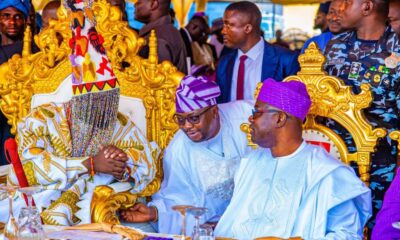
In response, the Society for Yoruba Culture Renaissance emphasised that Sharia law is an Arabic cultural practice suitable for societies with a dominant Muslim population, which is not the case in Yorubaland.
The group also accused the Sultan of Sokoto, Alhaji Muhammad Sa’ad Abubakar, of attempting to incite a religious crisis in southwestern Nigeria by advocating for the implementation of Sharia law in the region.






News
FG Describes Healthcare as Critical Economic Infrastructure as NSIA Commissions Diagnostic Centres in Bauchi, Ibadan
FG Describes Healthcare as Critical Economic Infrastructure as NSIA Commissions Diagnostic Centres in Bauchi, Ibadan
The Federal Government has described healthcare as critical economic infrastructure, saying investment in the health of Nigerians is also an investment in human capital, productivity and the country’s long term economic growth.
Eereporter.com
Oyedele says reforms must translate stability into investment and better lives.
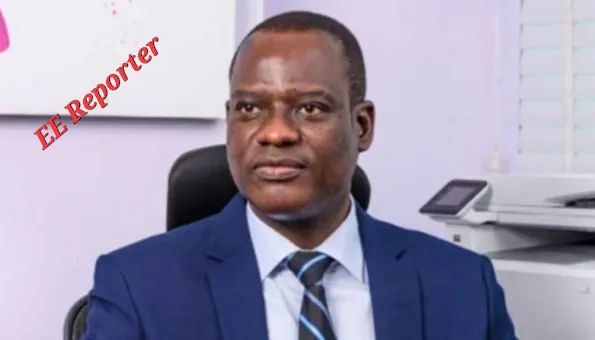
The Minister of Finance and Coordinating Minister of the Economy, Taiwo Oyedele, stated this on Monday at the commissioning of NSIA MedServe Diagnostic Centres in Bauchi and Ibadan under the Nigeria Sovereign Investment Authority’s (NSIA) Healthcare Expansion Programme.
Oyedele said the importance of the investments goes beyond the facilities being commissioned, noting that a healthy population is better able to work, learn and contribute productively to the economy, while illness places a heavy burden on households through medical expenses, lost income and depleted savings.
He said the projects also demonstrate how government can use public capital to crowd in private and development financing for critical infrastructure.
“Government budgets alone cannot meet Nigeria’s development needs. The question cannot only be how much government spends. It must also be how much private and development capital government can mobilise.”
The Minister commended the International Finance Corporation (IFC) and the World Bank Group for supporting the programme, particularly through long tenor, local currency financing, which he said was well suited to long term assets whose revenues are generated in naira.
According to him, the financing model has potential for replication across other priority sectors, including infrastructure, agriculture, energy and housing.
Oyedele said earlier investments by NSIA in healthcare had demonstrated the scale of unmet demand for specialised medical services in Nigeria. He noted that the MedServe LUTH Cancer Centre had treated more than 16,700 patients, delivered over 30,000 radiotherapy sessions and 25,000 chemotherapy treatments, while diagnostic centres in Kano and Umuahia had served more than 410,000 patients by December 2025.
He said MedServe is now developing 23 new diagnostic centres across the country in two phases, including three centres with oncology units and three with cardiac catheterisation laboratories.
The Minister said the expansion would bring specialised diagnostic and treatment services closer to Nigerians, reducing the burden of travelling long distances for care and, in some cases, seeking treatment outside the country.
He linked the investment to the Federal Government’s broader effort to reduce medical tourism and retain more economic value within Nigeria.
“Every procedure performed at home keeps value, jobs and expertise in our economy and eases pressure on foreign exchange,” he said.
Oyedele, however, stressed that Nigeria’s ambition should go beyond reducing outbound medical tourism to building a competitive healthcare economy capable of serving patients within Nigeria and attracting patients from across Africa.
He said this would require sustained investment not only in buildings and medical equipment, but also in the people and systems needed to operate them effectively.
According to him, Nigeria must retain and continuously develop doctors, nurses, radiographers, laboratory scientists, technicians and other specialised healthcare professionals, while also building domestic capacity in medical technology, equipment maintenance and pharmaceutical production.
He said the success of the investments should ultimately be judged by the outcomes they deliver, rather than the number of facilities commissioned.
“The real test is whether the equipment still works in ten years, whether we retain qualified staff, and whether patients are treated with dignity, diagnosed earlier and able to afford the care they receive.”
The Minister said the investments are consistent with the broader objective of the Federal Government’s economic reforms, which is to translate macroeconomic stability into productive investment, improved public services and better living standards.
“Macroeconomic stability is not the destination. It is the foundation. We are converting stability into investment, investment into services, and growth into better lives.”
He congratulated the NSIA and MedServe teams, the Federal Ministry of Health and Social Welfare, the Bauchi and Oyo State Governments, Abubakar Tafawa Balewa University Teaching Hospital, the relevant healthcare institutions in Ibadan, the IFC and other partners for delivering the projects.

Taiwo Oyedele
The Federal Government reaffirmed its commitment to partnerships that mobilise capital, strengthen critical infrastructure and turn economic reforms into measurable improvements in the lives of Nigerians.
Efe Ovuakporie
Head, Information and Public Relations Unit
Federal Ministry of Finance
5 October 2026
Eereporter.com
News
Teachers’ Day: President Who Can’t Name His Teachers, Classmates Does Not Understand Their Struggles, Atiku Blasts Tinubu
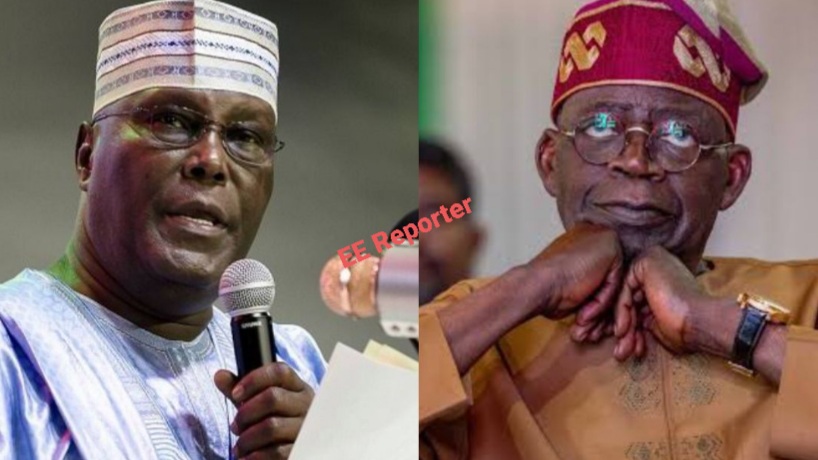
Teachers’ Day: President Who Can’t Name His Teachers, Classmates Does Not Understand Their Struggles, Atiku Blasts Tinubu
Former Vice President and African Democratic Congress (ADC) presidential candidate for the 2027 general elections, Atiku Abubakar, has attacked President Bola Tinubu over his inability to name any of his former teachers or classmates, saying such a leader cannot understand the struggles confronting Nigerian teachers.
Eereporter.com
Atiku made the remarks in a statement issued on Monday by his media aide and Director of Strategic Communication of the ADC Presidential Campaign Council, Phrank Shaibu, to mark the 2026 Teachers’ Day.
The former vice president paid tribute to teachers across Nigeria but condemned the worsening cost of living, which he said has made it increasingly difficult for teachers to support their families and perform their duties.
Atiku said he still remembered and loved the teachers who taught him in his early years in Jada, including those who had passed away.
“Of course, I appreciate Nigerian teachers. I am a product of their work and the education I received in their classrooms,” he said.
“I still remember the names and faces of my early teachers in Jada, who saw potential in a young orphan when few others did. They taught me arithmetic and grammar, but they also gave me a future.”
According to Atiku, the hardship confronting teachers was reflected in situations where some were forced to walk long distances because of transportation costs or borrow food on credit to feed their families.
“When I hear of a teacher forced to walk miles because transport fares consume so much of their salary, or borrowing food on credit to feed their family before going to teach our children, my heart breaks,” he said.
“No nation can rise above the level of its teachers. I will honour them not only with words, but with policies that improve their welfare and make life more affordable.”
Atiku then took a swipe at Tinubu, saying the President’s inability to remember his teachers and classmates demonstrated how disconnected he was from the realities of education and the people working in the sector.
“It is both revealing and deeply embarrassing that Bola Tinubu cannot name a single teacher who stood before him or a classmate who sat beside him,” Atiku said.
“Teachers are the architects of every nation’s future. A leader who cannot remember those who laid the foundation of his own education has shown just how far removed he is from the classroom and from the daily struggles of those who keep it alive.
“If he cannot honour the people who helped shape him, how can he understand the sacrifices teachers make today?
“Such a president cannot make life dignified or affordable for teachers — not in the country he leads, nor in the community he calls home.”
The ADC presidential candidate also criticised the government for celebrating teachers on commemorative occasions while, according to him, failing to address the economic difficulties they face throughout the year.
Atiku said teachers were expected to continue working despite rising food, transportation, rent and electricity costs, while their incomes struggled to keep pace with inflation.
“The government cannot praise teachers on this day and leave them to face hardship for the rest of the year. A commemorative message cannot pay a teacher’s bills,” he said.
“Respect must be reflected in fair conditions, reliable support and policies that make life affordable.”
He further apologised to Nigerian teachers and citizens, saying the current leadership had failed to make their welfare a priority.
“I apologise to Nigeria’s teachers and to all Nigerians on behalf of a leadership that has failed to make their welfare a priority. Teachers deserve more than praise, and Nigerians deserve a government that puts their lives and livelihoods first,” Atiku said.
Atiku, who is the founder of the American University of Nigeria, said his experience as an educationist has given him an understanding of the dedication required of teachers.
He described teachers as builders of confidence, knowledge and opportunity, warning that Nigeria could not secure its future while neglecting those responsible for educating its children.
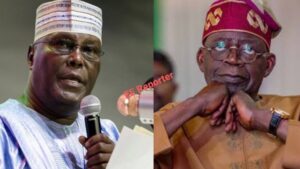
Atiku, Tinubu
“My promise is clear: I will work to make life affordable again. Teachers and families should not have to watch their incomes disappear on food, transport, rent and electricity,” he said.
“We will pursue policies that bring down the cost of living, support decent jobs and ensure that hard work can provide a dignified life.”
He urged the government to complement its tributes with concrete policies capable of improving their welfare and living conditions of teachers and other Nigerians.
Eereporter.com

Nigerian Police Arrest Five Over Vandalism of Solar Street Light, Others in Enugu
The Enugu State Police Command has announced the arrest of five persons in three separate operations for alleged vandalism and theft of public infrastructure.
Eereporter.com
In a statement issued on Monday by the command’s Police Public Relations Officer, Daniel Ndukwe, the vandalised infrastructure includes a solar street light, road traffic signs and materials belonging to the Enugu State Water Corporation.
Ndukwe said on September 27, 2026, at about 8:30 pm, following a tip-off, two men – Wisdom Nuhu and Moses Jonathan – were sighted negotiating the sale of a suspected stolen solar street light at a scrap dump in New Artisan Market, Enugu.
Police operatives from New Haven Division proceeded to the scene and arrested both suspects, recovering the solar street light.
“During interrogation, the suspects confessed to vandalising and stealing the solar street light earlier that day at Graceland Estate, Independence Layout, Enugu,” he said.
“The suspect and an accomplice, who fled the scene, were detected by the security surveillance system while removing road traffic signs. Many vandalised road signs bearing different inscriptions were recovered from the suspect,” Ndukwe said.
In another operation on September 15, 2026, operatives of the Command’s Violent Crime Response Unit, in collaboration with members of the Neighbourhood Watch Group, arrested two male suspects, Zubairu Hamanpedimso, 31 and Mohamed Adamu, 21, for allegedly conspiring to vandalise and steal materials belonging to the water corporation.

Police
A bag containing iron materials, bolts and nuts allegedly vandalised and stolen from the corporation was recovered from them.
Ndukwe said all the arrested suspects had been arraigned in court and remanded in correctional custody pending further hearing, while efforts were ongoing to arrest other accomplices still at large.
Eereporter.com
-
 Crime1 year ago
Kogi Assembly Considers Law To Regulate Rent, Establish Control Board: Tenancy Law
-
 News2 years ago
Atiku Reveals Why He Failed To Pick Wike As Running Mate In 2023
-
 Akwa Ibom2 years ago
The Apostolic Church Gets New Territorial Chairman, Exco
-

 Crime2 years ago
Federal High Court Jails 2 For Vandalizing Transformer, Telecom Mast In Kogi
-
 News2 years ago
The Apostolic Church Gets New National President, Executive
-
 Akwa Ibom2 years ago
Umo Eno Commences Payment Of 80,000 Naira Minimum Wage With Arrears
-
 News2 years ago
Senator Natasha Returns To Senate With Husband Amid Seat Dispute
-
 Economy1 year ago
Kiyosaki: Is Tinubu’s Government Afraid Of Ibrahim Traore?