
News
Tinubu Seeks Stronger Collaboration With Northern Traditional Rulers On Security, Development

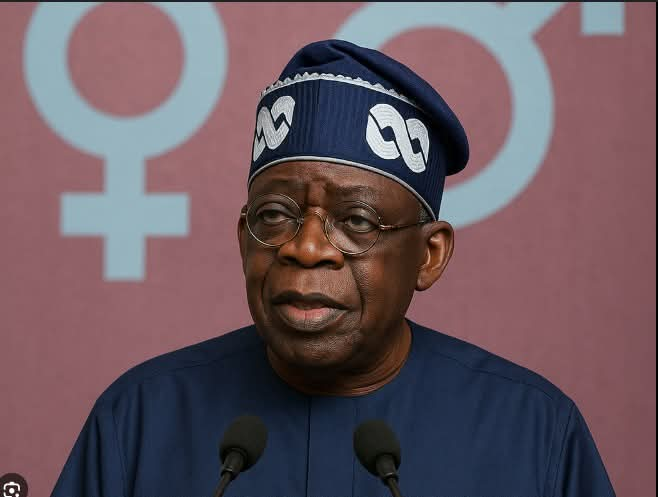
Tinubu Seeks Stronger Collaboration With Northern Traditional Rulers On Security, Development
President Bola Ahmed Tinubu has reaffirmed the Federal Government’s commitment to strengthening collaboration with traditional institutions as part of efforts to advance peace, security, national cohesion, and sustainable development across Nigeria.
Representing President Tinubu at the 8th Executive Committee Meeting of the Northern Traditional Rulers’ Council (NTRC) on Monday in Dutse, Jigawa State, the Honourable Minister of Information and National Orientation, Mohammed Idris, conveyed the President’s message to the gathering of traditional rulers and stakeholders from across Northern Nigeria.
Eereporter.com
“The administration of President Bola Ahmed Tinubu fully recognises the strategic role of traditional institutions and remains committed to deepening engagement with traditional rulers in advancing peace, security, national cohesion, and development,” the Minister said.
Idris commended the Northern Traditional Rulers’ Council, led by the Sultan of Sokoto, His Eminence Alhaji Muhammad Sa’ad Abubakar, for its continued contributions to peace, unity, security, and development across Northern Nigeria.
Speaking on the theme of the meeting, “Peace, Unity and Development of the North,” the Minister said peace remains the foundation of development and prosperity.
“Without peace, development becomes difficult; without unity, progress cannot be sustained. The pursuit of both must remain our collective responsibility,” he stated.
The Minister said traditional rulers remain critical partners in governance and peacebuilding because of their close relationship with communities and their ability to mobilise citizens around important national objectives.
“Across generations, our traditional rulers have served as custodians of culture and values, mediators in times of conflict, and trusted bridges between government and the people. Your proximity to the grassroots and your moral authority make you indispensable partners in governance, peacebuilding, and community mobilisation,” he said.
On security, Idris noted that the Tinubu Administration has continued to strengthen coordination among the Armed Forces, intelligence agencies, and other security institutions, leading to significant gains against criminal and terrorist groups across various parts of the country.
“While challenges remain, the administration is sustaining military operations, improving intelligence gathering, and enhancing inter-agency collaboration. At the same time, we recognise that lasting peace cannot be achieved through security operations alone. We must also address poverty, unemployment, social exclusion, and the lack of economic opportunities that often fuel insecurity,” he said.
The Minister highlighted several economic initiatives of the Federal Government aimed at creating jobs, improving livelihoods, and supporting long-term growth. These include interventions in agriculture, livestock development, solid minerals, infrastructure, education financing, consumer credit, and support for small businesses.
He described the establishment of the Federal Ministry of Livestock Development as a landmark decision that will modernise livestock production, improve productivity, support pastoral and farming communities, and reduce conflicts associated with competition for natural resources.
“The ministry represents a strategic intervention in a sector with enormous potential for job creation, food security, export earnings, and national economic growth,” the Minister stated.
Idris also highlighted the Federal Government’s four Legacy Highway Projects — the Lagos-Calabar Coastal Highway, Sokoto-Badagry Super Highway, Calabar-Abuja Super Highway, and the Akwanga-Jos-Bauchi-Gombe Road Corridor — describing them as transformative investments that will strengthen national integration and unlock economic opportunities.
“These highways will improve connectivity, reduce transportation costs, expand access to markets, create jobs, and support the movement of agricultural produce and other goods. Beyond their economic value, they are investments in national unity,” he said.
The Minister further noted that the Renewed Hope Agenda is focused on creating opportunities for Nigerians through people-centred programmes such as the Nigerian Education Loan Fund (NELFUND), the Nigerian Consumer Credit Corporation (CREDICORP), and targeted support for Micro, Small and Medium Enterprises.
According to him, development programmes can only succeed when citizens understand them and actively participate in them, stressing the important role of traditional rulers in promoting public awareness and countering misinformation.
“In an age characterised by the rapid spread of misinformation and disinformation, traditional rulers remain among the most trusted leaders in our society. Your continued support in promoting truth, dialogue, tolerance, and responsible citizenship is essential to our collective progress,” he said.
The Minister expressed confidence that the meeting would generate practical recommendations that would further strengthen peace, deepen unity, and accelerate development across Northern Nigeria and the country as a whole.
He also extended condolences to the Government and people of Katsina State, the traditional institution, and the family of the late retired Major General Rabe Abubakar, describing his death as a tragic loss to the nation.
“We mourn the loss of a distinguished patriot who served Nigeria with honour and dedication. His death is a painful reminder of the urgent need to sustain our collective efforts against insecurity,” the Minister said.
The meeting brought together traditional rulers, government officials, and key stakeholders from across Northern Nigeria to discuss strategies for promoting peace, unity, and development in the region.
Tinubu
Among the dignitaries in attendance were the Governor of Gombe State, Muhammadu Inuwa Yahaya; Governor of Jigawa State, Malam Umar A. Namadi; Speaker of the Jigawa State House of Assembly, Rt. Hon. Haruna Aliyu Dangyatin; Inspector-General of Police, Olatunji Rilwan Disu; the Sultan of Sokoto, His Eminence Alhaji Muhammadu Sa’ad Abubakar III; the Shehu of Borno, His Royal Highness Alhaji (Dr.) Abubakar Ibn Umar Garbai Al-Amin El-Kanemi; the Emir of Hadejia, Alhaji (Dr.) Adamu Abubakar Maje; the Emir of Zazzau, Ambassador Ahmed Nuhu Bamalli; the Etsu Nupe and Chairman of the Niger State Council of Traditional Rulers, Alhaji Dr. Yahaya Abubakar; the Aku Uka of Kwararafa and paramount ruler of the Jukun people, Dr. Manu Ishaku Adda Ali (Matakhitswen I), alongside many other eminent traditional rulers and distinguished personalities from across the country.
Rabiu Ibrahim, mnipr
Special Assistant (Media) to the Honourable Minister of Information and National Orientation.
Eereporter.com
Monday, June 15, 2026






JAMB Sets to Refund UTME Fees for Candidates with Disabilities
The Joint Admissions and Matriculation Board has announced special examination support for candidates with disabilities, including refunds of application document fees, free audiobooks and transportation assistance for eligible candidates.
Eereporter.com
The board said candidates with disabilities who meet the required O’Level qualifications would receive a refund of their application document fees at their respective examination centres.
JAMB disclosed this in an awareness message on its X handle on Wednesday, explaining the special provisions available to candidates with disabilities ahead of the Unified Tertiary Matriculation Examination (UTME).
According to the board, “candidates with visual impairments, particularly those who are blind, would also receive audiobooks of prescribed reading texts to support their examination preparation.”
The board said the initiative was designed to improve access to learning materials and ensure that candidates with visual disabilities could prepare adequately for the examination.
It added that JAMB would cover transportation and accommodation costs for blind candidates and their guides.
The examination body further explained that candidates with disabilities who meet the minimum acceptable UTME score would also be considered for admission into their preferred institutions.
The provisions form part of the board’s efforts to promote inclusive access to tertiary education and ensure that physical disabilities do not prevent eligible candidates from pursuing their academic ambitions.

JAMB
“Remember, for the board to make necessary arrangements, you must indicate your disability status during registration,” the board stated.
It also clarified that the refund of application document fees would only be provided at the examination centre.
The board urged candidates with disabilities to ensure that they declare their status during registration so they can benefit from the available support services.
The initiative is expected to provide additional assistance to eligible candidates, particularly those who require special arrangements to participate in the UTME.
Eereporter.com
News
2027 Elections: IGP Disu Charges Police PROS on Strategic Communications, Countering Misinformation
2027 Elections: IGP Disu Charges Police PROS on Strategic Communications, Countering Misinformation
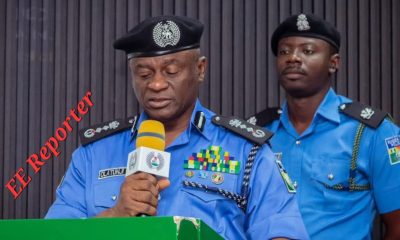
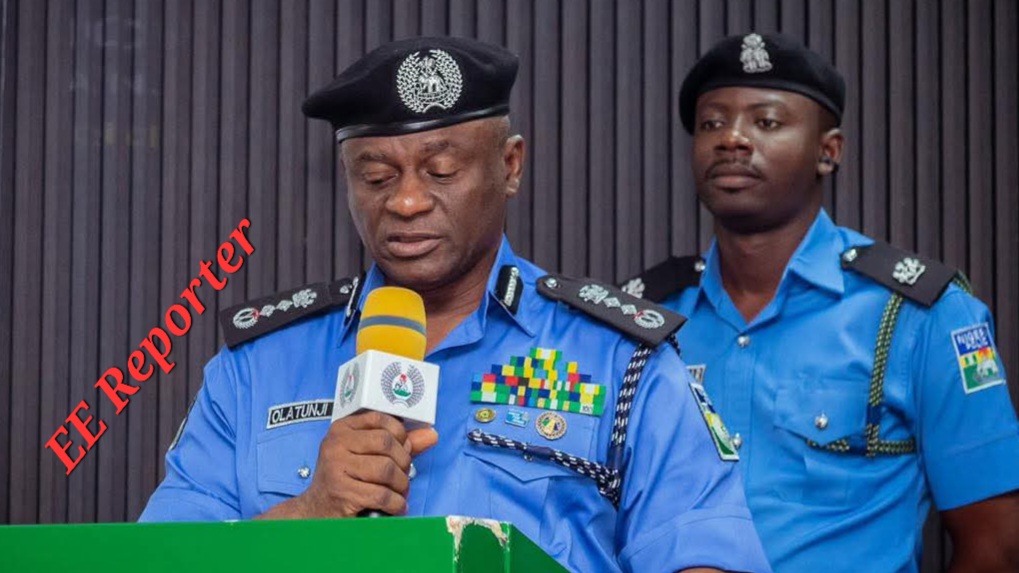
The Inspector-General of Police, IGP Olatunji Rilwan Disu, psc(+), NPM, today, 18th November 2026, received Police Public Relations Officers (PPROs) and Public Relations liaison officers from various commands and formations at the Force Headquarters, Abuja, as part of institutional preparations for the 2027 General Elections.
Eereporter.com
Discussions during the meeting centred on strengthening professionalism, accountability, and effective communication between the Nigeria Police Force and members of the public. The officers, who are delegates at the ongoing World Public Relations Conference holding in Abuja from 15th to 21st November 2026, expressed appreciation to the Inspector-General of Police for approving their participation in the conference.
Addressing the spokespersons, IGP Disu urged them to make the most of the conference and apply the lessons learnt in their daily duties, particularly in alignment with the conference theme, “Responsible Communication: The Voice of the World.” Ahead of the 2027 General Elections, the IGP directed the officers to remain vigilant against misinformation during the campaign period, proactively dominate the cyberspace with accurate and timely information, and effectively localise Force Headquarters initiatives within their respective commands and formations.
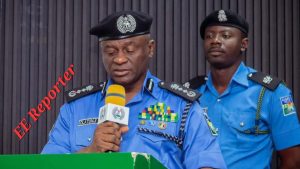
IGP Disu
In a further effort to strengthen the Force’s strategic communication capacity, the Inspector-General of Police also approved the 2026 Police Public Relations Officers’ Conference to hold in phases, scheduled for 24th to 25th November 2026 in Abuja, and 1st to 2nd December 2026 in Akwa Ibom State.
The Nigeria Police Force reaffirms its commitment to transparent, responsive, and accountable public communication in support of peaceful democratic processes and public confidence nationwide.
CSP Ani Iniedu, anipr
Force Public Relations Officer
Force Headquarters, Abuja
18th November 2026
Eereporter.com
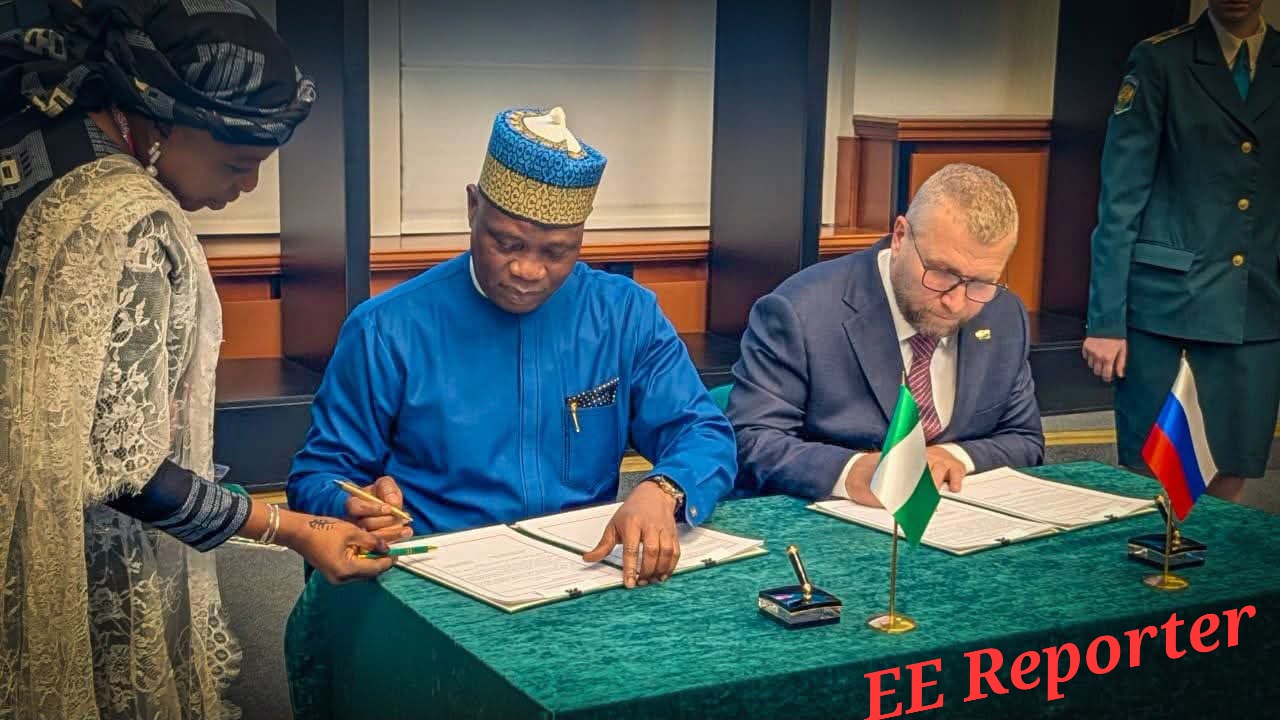
NCS, Russia Strengthen Cooperation to Optimise Trade Facilitation, Information Exchange
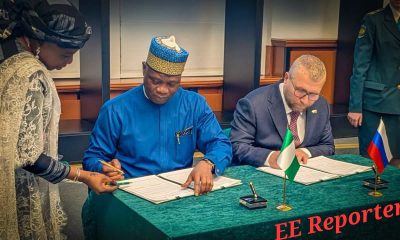
The Nigeria Customs Service (NCS) and the Federal Customs Service of the Russian Federation have taken a significant step toward strengthening bilateral customs cooperation after signing an Agreement on Cooperation and Mutual Assistance in Customs Matters (CMAA) in Moscow on 28 October 2026. The agreement establishes a framework for closer collaboration in trade facilitation, information exchange, customs enforcement, financial integrity and capacity development, while opening new opportunities for the two administrations to deepen operational cooperation.
Eereporter.com
…Move Towards Mutual Recognition of AEO Programmes, Enhanced Data Sharing.
The Comptroller-General of Customs, Adewale Adeniyi, who led the Nigerian delegation, described the agreement as a strategic instrument to safeguard economic integrity, secure supply chains and strengthen trade governance. He said the engagement marked the culmination of months of technical consultations, legal reviews, and constructive discussions between both administrations, reflecting a shared commitment to modernising customs operations and responding more effectively to emerging challenges in international trade.
CGC Adeniyi explained that the new legislative framework has accelerated the Service’s transformation, particularly through the adoption of digital systems that have significantly automated customs processes. According to him, declarations, payments and the submission of supporting documents are increasingly conducted electronically, enabling the Service to improve operational efficiency while facilitating legitimate trade. He emphasised that revenue generation and trade facilitation are not competing objectives, noting that the NCS approach aligns with the World Customs Organisation’s SAFE Framework of Standards.
On implementing the agreement, CGC Adeniyi identified exchanging experience between the two countries’ Authorised Economic Operator (AEO) programmes as an important area of cooperation. He explained that both administrations had been encouraged to undertake structured exchanges to understand their respective programme frameworks, operational procedures and implementation experiences, with the longer-term objective of advancing mutual recognition and acceptance. Such an arrangement, when developed, would strengthen the confidence accorded to compliant traders and potentially improve the efficiency of cargo movement between the two countries.
During bilateral discussions with the Head of the Federal Customs Service of Russia, Mr Valery Pikalyov, CGC Adeniyi highlighted the similarities in the reform journeys of both administrations, explaining that the Service had evolved considerably from its colonial origins into a modern customs administration. He recalled that the Service’s law remained largely unchanged for several years, until the introduction of the Nigeria Customs Service Act 2023, which provided a stronger legal foundation for institutional reforms, technological advancement and private-sector partnerships.
The discussions also examined the prospect of sharing customs statistics and trade data for analytical purposes. CGC Adeniyi highlighted Nigeria’s participation in the World Customs Organisation’s data initiative, stating that the NCS was the only customs administration to submit its trade data to the WCO data project. He noted that access to reliable customs data and structured information exchange would support comparative analysis, improve understanding of bilateral trade patterns and strengthen evidence-based customs administration.
In his response, Mr Pikalyov explained that the Federal Customs Service of Russia is statutorily authorised to collect, process, compile and provide customs statistics derived from customs declarations. He noted that Russia already exchanges customs statistics with foreign customs administrations under existing agreements, allowing both sides to analyse trade flows, identify discrepancies and monitor developments in bilateral commerce. He indicated that the Russian side was prepared to explore a dedicated arrangement with the NCS to exchange statistical data, subject to the relevant framework and procedures.
Customs, Russia
The Russian side further noted that Nigeria had become one of the first sub-Saharan African countries, alongside Ethiopia and Namibia, to conclude a customs cooperation agreement with the Federal Customs Service. The engagement took place within the framework of the Third Russia–Africa Summit, providing an opportunity to advance customs collaboration as part of the broader relationship between the two countries. With the agreement now signed, the NCS is positioned to deepen institutional cooperation with its Russian counterpart, strengthen customs intelligence and information exchange, promote compliant trade and contribute to more secure and efficient international supply chains.
The CMAA provides for four principal areas of cooperation: streamlined customs procedures to facilitate legitimate trade; secure information exchange to prevent, detect, investigate and suppress customs offences; financial integrity measures targeting illicit financial flows, grey-market importations and tax evasion; and stronger border security through cooperation against counterfeit goods, narcotic drugs, psychotropic substances and other prohibited or hazardous materials. It also provides a legal basis for direct engagement between the two administrations on customs-related matters, including operational assistance and the exchange of experience in personnel training.
Eereporter.com
-
 Crime2 years ago
Kogi Assembly Considers Law To Regulate Rent, Establish Control Board: Tenancy Law
-

 News2 years ago
Atiku Reveals Why He Failed To Pick Wike As Running Mate In 2023
-
 Akwa Ibom2 years ago
The Apostolic Church Gets New Territorial Chairman, Exco
-

 Crime2 years ago
Federal High Court Jails 2 For Vandalizing Transformer, Telecom Mast In Kogi
-
 News2 years ago
The Apostolic Church Gets New National President, Executive
-
 Akwa Ibom2 years ago
Umo Eno Commences Payment Of 80,000 Naira Minimum Wage With Arrears
-

 News2 years ago
Senator Natasha Returns To Senate With Husband Amid Seat Dispute
-
 Economy2 years ago
Kiyosaki: Is Tinubu’s Government Afraid Of Ibrahim Traore?