
Economy
Tinubu Government Builds 12 Reference Labs Nationwide To Monitor Water Quality

Tinubu Government Builds 12 Reference Labs Nationwide To Monitor Water Quality
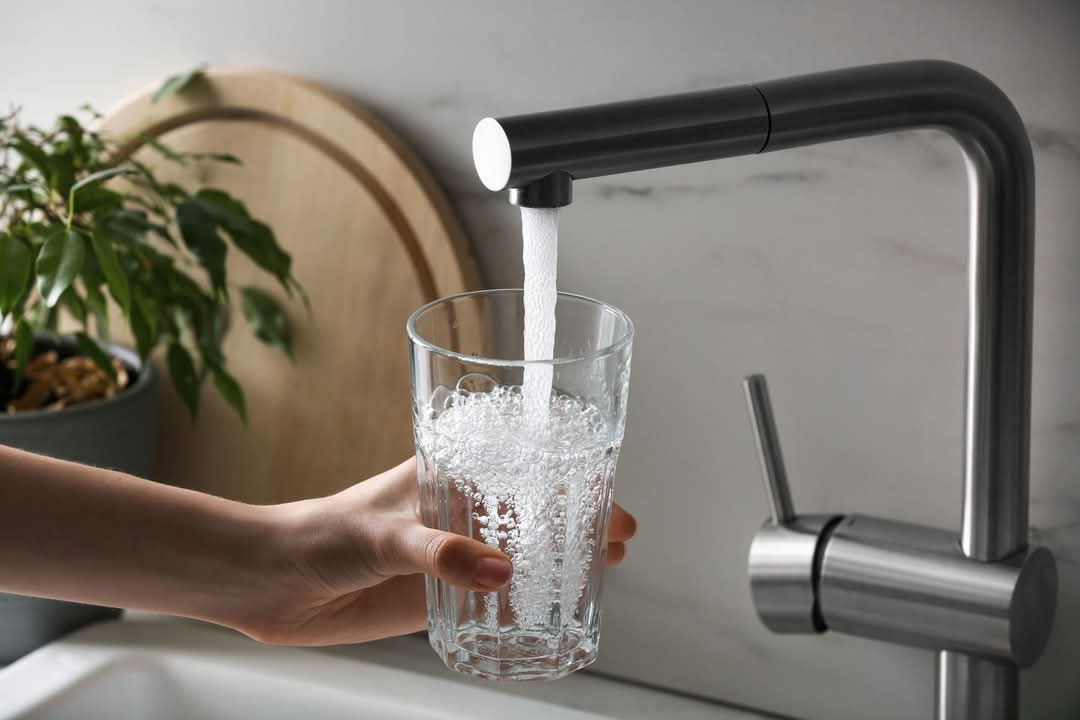
Tinubu Government builds 12 reference labs nationwide to monitor water quality. The federal government has established 12 water quality reference laboratories across Nigeria as part of efforts to improve water quality monitoring and surveillance.
The Minister of Water Resources and Sanitation, Joseph Utsev, announced this at the opening ceremony of the inaugural Annual Water Quality Conference in Abuja on Tuesday.
Mr Utsev, represented by the permanent secretary, Richard Pheelangwah, said the laboratories were established under the National Water Quality Reference Laboratories and Monitoring Network Programme.
He also noted the introduction of the Freshwater Restoration and Source Water Protection Programme, aimed at safeguarding Nigeria’s water sources, including rivers, lakes and artificial reservoirs.
Mr Utsev said that access to safe water was a priority under President Bola Tinubu’s Renewed Hope Agenda, with the government committed to tackling sector challenges through partnerships and innovation.
He added that quality plays a vital role in public health, socio-economic development and environmental sustainability.
He recalled that “according to the 2021 Water Supply, Sanitation, and Hygiene National Outcomes Routine Monitoring (WASHNORM) Report, 67 per cent of Nigeria’s population has access to basic water supply services.
“However, a significant proportion still lacks access to safely managed drinking water, with 25 per cent of the population relying on unimproved or surface water sources, which pose a high risk of waterborne diseases.”
He acknowledged that poor sanitation remains a major concern, as open defecation and indiscriminate waste disposal continue to contaminate water sources.
The minister stated that the ministry was leveraging modern technologies and collaborating with both local and international partners to enhance water quality management.
He reaffirmed the government’s commitment to eradicating open defecation and ensuring improved water and sanitation standards across the country.
He noted, “To further enhance water quality assurance, the Nigerian Standard for Drinking Water Quality, the Nigerian Standards for Ambient Water Quality, and the soon-to-be-finalised Nigerian Standard for Irrigation Water Quality have been established.
Additionally, the Community Water Safety Plan has been introduced to empower rural communities with the knowledge and tools needed to prevent water contamination.
The ministry has also commenced the production of hydrogen sulphide vials for microbial water quality assessment, which is currently being tested in UNICEF-supported states.’’
The Director of Water Quality Control and Sanitation, Elizabeth Ugoh, reaffirmed the government’s commitment to providing safe drinking water for all Nigerians, promoting public health, and promoting economic productivity.
She emphasised that ensuring water safety was a public health, economic, and environmental priority.
“We all know that contaminated water is a major cause of waterborne diseases such as cholera, typhoid, and diarrhoea, which hinders socio-economic development.
“It is our collective responsibility to develop and implement robust policies, institutional frameworks, and innovative solutions to improve water safety nationwide,” she said.
UNICEF WASH Manager, Chiranjibi Tiwari, warned that two-thirds of Nigeria’s water sources are contaminated with E. coli and Salmonella, causing severe waterborne diseases such as a cholera.
He cited a 2021 WASHNORM data, reporting 111,000 cholera cases and 3,600 deaths, with outbreaks persisting, including in Lagos, a traditionally low-risk area.
He warned that contaminated water threatens public health, education, and productivity, highlighting the need for urgent, coordinated action to achieve SDG 6 on universal clean water access.
He also linked safe water access to President Bola Tinubu’s Renewed Hope Agenda, warning that failure to act would hinder national progress.
Mr Tiwari called for stronger collaboration among development partners, NGOs, civil society, academia, media, and the private sector.
He urged stakeholders to form structured partnerships, particularly with the private sector, to develop household water treatment technologies and public awareness campaigns to promote safer water practices.
Tap water
The UNESCO representative, Enang Momah, warned that water pollution could pose serious risks to health, food production, ecosystems, and economic growth.
She highlighted the impact of untreated wastewater, industrial chemicals, and emerging pollutants, exacerbated by climate change.
She cautioned that without improved water monitoring, 4.8 billion people could face health risks by 2030, stressing the urgency of pollution control and better wastewater treatment to prevent diseases such as cholera and schistosomiasis.
She reaffirmed UNESCO’s commitment to supporting Nigeria through its Intergovernmental Hydrology Programme (IHP) and technical expertise.
Representatives of WaterAid, ministries of health and environment, and other partners delivered goodwill messages.





Economy
NAF Commissions 30-flat Residential Facility in Makurdi to Promote personnel welfare, Says Better Home, Stronger Force
NAF Commissions 30-flat Residential Facility in Makurdi to Promote personnel welfare, Says Better Home, Stronger Force
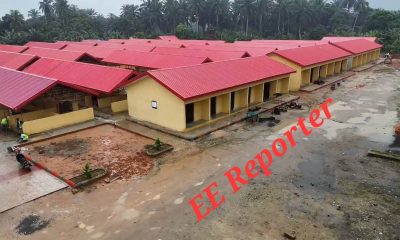
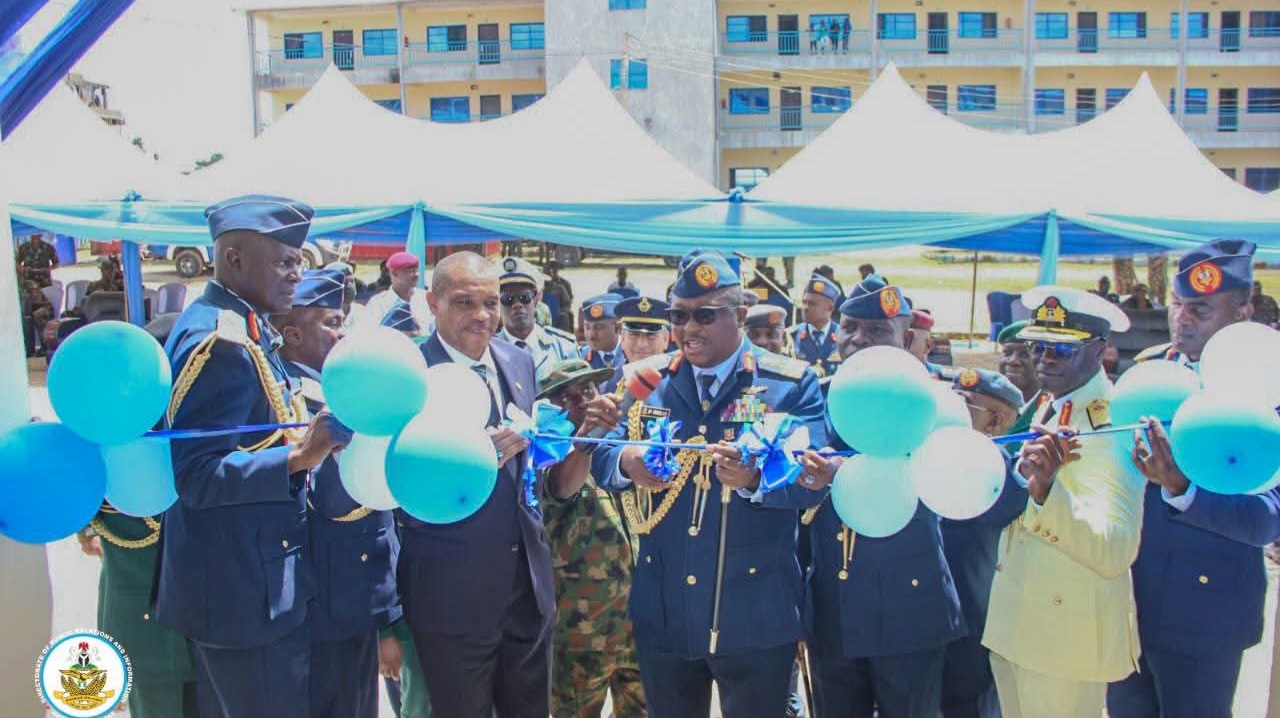
The Nigerian Air Force (NAF) has reinforced its commitment to personnel welfare and operational readiness with the commissioning of a newly completed 30-flat residential facility for married non-commissioned officers at NAF Base Makurdi.
Eereporter.com
Commissioning the facility on 18 September 2026, the Chief of the Air Staff (CAS), Air Marshal Sunday Kelvin Aneke, DFS, stated that providing decent accommodation for personnel and their families is essential to building a focused, motivated and mission-ready force capable of meeting Nigeria’s security demands.
Represented by the Chief of Policy and Plans, Headquarters NAF, Air Vice Marshal AY Abdullahi, the CAS noted that the facility reflects the Service’s sustained investment in the wellbeing of its personnel. He emphasised that an airman provided with decent living conditions is better positioned to remain focused and fully committed to duty, as improved accommodation helps reduce domestic pressures while enhancing morale, productivity and operational effectiveness.
The 30-flat facility is expected to ease accommodation challenges and improve the quality of life of beneficiaries while contributing to NAF’s capacity to deliver airpower in support of national security objectives.
NAF Housing
The CAS urged personnel to maintain the facility responsibly, stressing that investments in welfare are not only about improving living conditions but are also critical to sustaining a professional, resilient and effective fighting force.
Eereporter.com
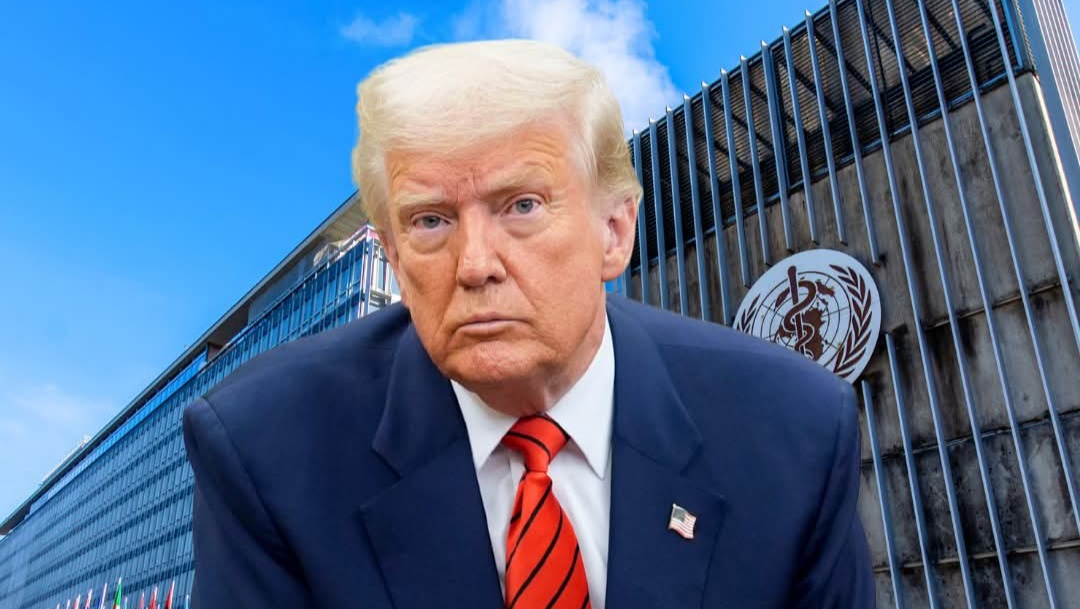
US President Trump Lists 25 Achievements of First 20 Months in Office
President Donald Trump has listed 25 achievements he said his administration had recorded since returning to office in January 2025.
Eereporter.com
Trump made the claims in a post on his Truth Social platform on Friday, where he highlighted his administration’s policies on immigration, taxes, trade, crime, defence, energy, education and foreign affairs.
Among the achievements listed by the US president were what he described as the “most secure border in history”, the signing of the Laken Riley Act and what he called the largest drop in the US murder rate in history.
Below is the full list:
Achieved the most secure border in history – ZERO illegal aliens admitted to the United States in the past 16 months.
Signed the Laken Riley Act to get dangerous criminal aliens off our streets.
Achieved the largest drop in the murder rate EVER recorded, to the lowest level in 125 years-since 1900.
Signed the largest tax cuts in American History – the Great Big Beautiful Bill-including No Tax on Tips, No Tax on Overtime, and No Tax on Social Security for our great seniors.
Secured commitments for $19.2 trillion dollars of new investment in the United States.
Imposed historic tariffs to bring back American Manufacturing – including 50% tariffs on foreign copper, aluminum, and steel, and 25% tariffs on foreign automobiles.
The stock market has set 80 all-time record highs since the election.
More Americans are working today than at any time in the history of our country.
Made the largest-ever investment in the United States Armed Forces- $1 trillion dollars this year, and hopefully $1.5 trillion next year.
Captured and brought to justice the outlaw dictator of Venezuela, Nicolas Maduro, through Operation Absolute Resolve.
Obliterated Iran’s nuclear enrichment capacity with Operation Midnight Hammer and Operation Epic Fury to ensure Iran will NEVER have a nuclear weapon.
Conducted numerous successful military strikes to smash the drug cartels operating in our hemisphere-brought the flow of deadly fentanyl across our border down by a record 60%.
Secured Most Favoured Nation agreements to reduce the cost of many prescription drugs by price differences of 300, 400, 500, and 600 percent.
Terminated the Green New Scam, declared a National Energy Emergency, and began to Drill, Baby, Drill.
Ended the insane Electric Vehicle Mandate and other crippling regulations on American Automobiles.
American Exports have soared to the highest level in American history-we are on track to export an unprecedented $2.5 TRILLION dollars in goods this year alone.
17 Abolished all discriminatory “Diversity, Equity, Inclusion” (DEI) policies throughout the federal government and private sector.
Banned MEN from playing in women’s sports.
Banned transgender ideology and critical race theory in our schools.
Trump
Launched Trump Accounts – tax free investment accounts for every American child, starting with $1,000 for every newborn child.
Settled 8 raging wars with historic peace deals in our first 12 months- including the War in Gaza.
Got all living hostages returned to their families, both living and dead.
Halted all refugee admissions to the United States, including from Somalia and other dangerous places.
Deployed National Guard to restore Law and Order to Washington, D.C., Memphis, and New Orleans.
Made English the Official Language of the United States.
The list comes as the Trump administration continues to promote its record ahead of the 2026 US midterm elections.
Eereporter.com
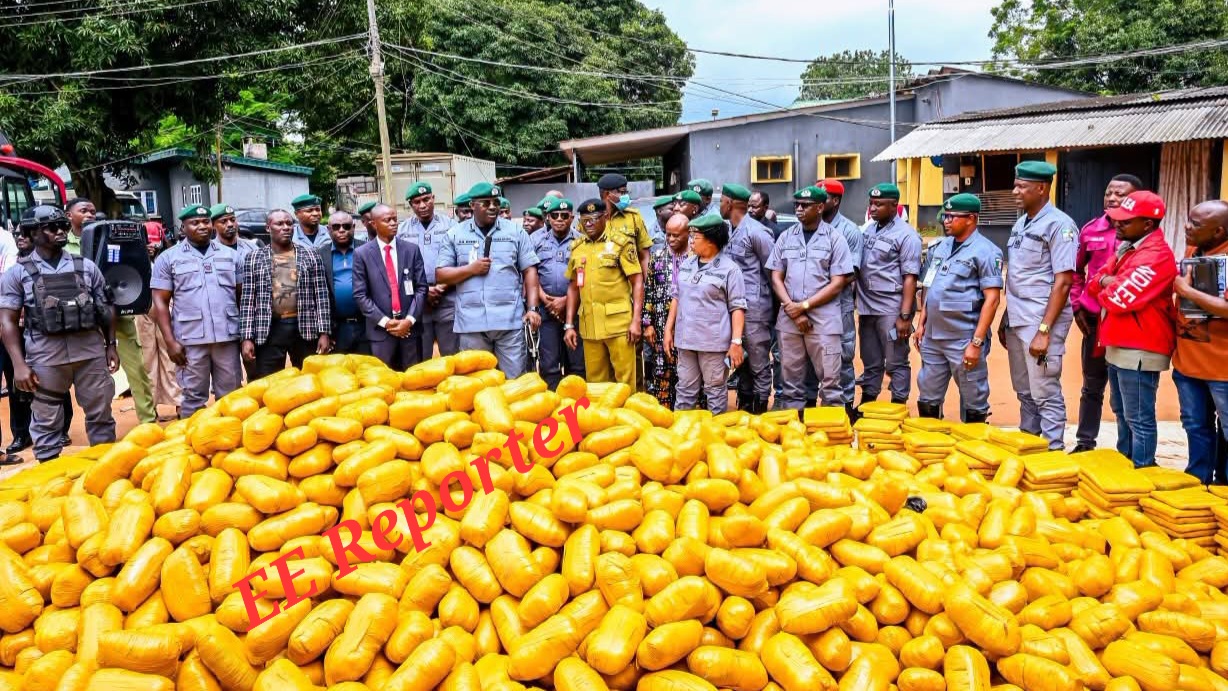
Nigeria Customs Hits Economic Saboteurs, Seizes Cannabis, Others Worth ₦2.4bn in Ogun
The Nigeria Customs Service (NCS), Ogun I Area Command, has intensified its crackdown on smuggling and other forms of economic sabotage, recording seizures of contraband worth a combined Duty Paid Value (DPV) of ₦2.469 billion.
Eereporter.com
The Acting Customs Area Controller of the Command, Deputy Comptroller Oladapo Afeni, disclosed this on Thursday, 17 September 2026, during a press conference at the Command’s headquarters in Idiroko, where he reviewed its operational activities and achievements.
He said the seizures included 1,204 bags of foreign parboiled rice, 3,893 parcels of cannabis weighing 1.878 tonnes, 428 pneumatic tyres, 8,675 litres of Premium Motor Spirit (PMS), 24 bales of second-hand clothing, four sacks of used shoes and 500 litres of diesel.
Afeni said the seizures resulted from intelligence-led enforcement operations and improved inter-agency collaboration, stressing that the Command remained committed to strengthening border security while facilitating legitimate trade.
“Our concerted operational strategies, intelligence-led enforcement, and enhanced inter-agency collaboration have yielded remarkable, tangible results across all key focus areas,” he said
A major highlight of the seizure was the interception of a 2026 Range Rover Sport with a DPV of ₦417,011,982. “Our relentless anti-smuggling drives have dealt severe blows to illicit trade networks operating across Ogun State.”
In line with inter-Agency collaboration, the seized parcels of cannabis sativa were handed over to a representative of the National Drug Law Enforcement Agency (NDLEA) for further investigation.
Nigeria Customs
Receiving the items, the Commander, NDLEA Idiroko Special Command, Olasumbo Akande, urged Nigerians to join the campaign against rampant drug abuse. “Idiroko remains a no-go area.
The Nigeria Customs, NDLEA, and other sister agencies will always come together to say “No” to hard drugs coming into our country or using our border as a transit for illegal goods,” he said.
Eereporter.com
-
 Crime1 year ago
Kogi Assembly Considers Law To Regulate Rent, Establish Control Board: Tenancy Law
-

 News1 year ago
Atiku Reveals Why He Failed To Pick Wike As Running Mate In 2023
-
 Akwa Ibom2 years ago
The Apostolic Church Gets New Territorial Chairman, Exco
-
 Crime2 years ago
Federal High Court Jails 2 For Vandalizing Transformer, Telecom Mast In Kogi
-
 News2 years ago
The Apostolic Church Gets New National President, Executive
-
 Akwa Ibom2 years ago
Umo Eno Commences Payment Of 80,000 Naira Minimum Wage With Arrears
-

 News2 years ago
Senator Natasha Returns To Senate With Husband Amid Seat Dispute
-
 Economy1 year ago
Kiyosaki: Is Tinubu’s Government Afraid Of Ibrahim Traore?