
Federal Government
Senate Tells FG To Review Firearm Law To Allow Responsible Citizens Own Guns

Senate Tells FG To Review Firearm Law To Allow Responsible Citizens Own Guns
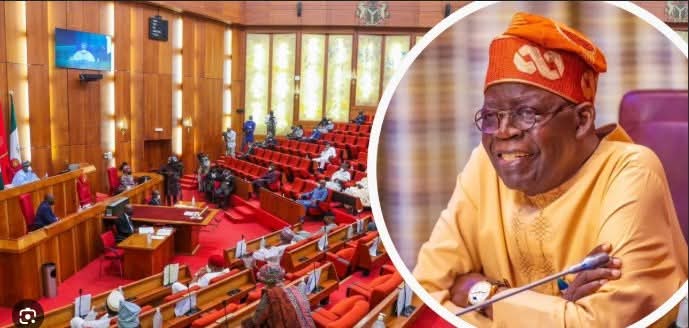
Senate tells FG to review firearm law to allow responsible citizens own guns. The Senate has called on the federal government to review the country’s firearm laws to allow responsible citizens to own guns, citing the escalating insecurity across Kwara, Kebbi, and Niger States.
The call followed the adoption of a motion titled ‘Urgent Need To Address Escalating Insecurity in Kwara, Kebbi and Niger States’, which highlighted recent attacks on schools, worship centres, and rural communities.
The motion, sponsored by Deputy Senate Leader, Senator Lola Ashiru (APC, Kwara South), noted the November 18 attack on Christ Apostolic Church (CAC) in Eruku, Ekiti Local Government Area, Kwara State, where two worshippers were killed and 38 others abducted.
Senators urged immediate federal government’s action to curb the rising wave of banditry, kidnappings, and violent crimes, warning that mass school abductions and persistent raids have forced closures of schools, including all 47 unity schools nationwide, disrupting the education of thousands of children.
The Upper Chamber commended President Bola Tinubu for cancelling foreign trips to coordinate security responses, which led to the release of 38 abductees in Kwara and 51 students in Niger State.

Senate Tells FG To Review Firearm Law To Allow Responsible Citizens Own Guns
The Senate also called on communities in the affected states and across Nigeria to remain vigilant, united, and supportive of security agencies while resisting internal collaborators who undermined national safety.
Senators emphasised that Nigeria’s firearm laws should reflect current security challenges, similar to over 175 countries where responsible citizens were permitted to legally own guns.









Economy
Tinubu Government Reduces Interest Rate on Late Tax Payments, New Order Takes Effect October 1
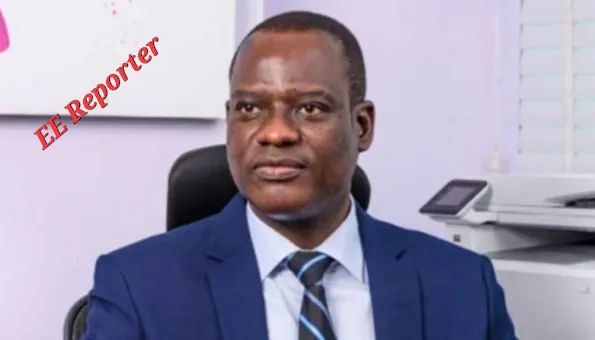
Tinubu Government Reduces Interest Rate on Late Tax Payments, New Order Takes Effect October 1
The Federal Government has reduced the interest rate applicable to late payment of taxes, with the new regime set to take effect from October 1, 2026.
Eereporter.com
The Minister of Finance and Coordinating Minister of the Economy, Taiwo Oyedele, announced the issuance of the Nigeria Tax Administration (Interest on Late Payment of Tax) Order, 2026, pursuant to Section 65 of the Nigeria Tax Administration Act, 2025.
Under the new Order, interest on tax payable in naira will be charged at the Central Bank of Nigeria’s Monetary Policy Rate (MPR) plus one percentage point, subject to a minimum rate linked to the yield on 364-day Treasury Bills.
The new provision represents a reduction from the previously applicable five-percentage-point spread.
For tax liabilities payable in foreign currency, the interest rate will be based on the Secured Overnight Financing Rate (SOFR) plus six percentage points. Where SOFR is discontinued, its officially designated successor rate will apply.
The Federal Government said the new framework is designed to align the cost of late tax payments more closely with prevailing market rates while providing taxpayers with greater certainty and predictability.
The applicable rate will be determined once every calendar month, based on the last business day of the preceding month. The Nigeria Revenue Service (NRS) is required to publish the applicable rates on its website by the third business day of each month.
Interest will be calculated as simple interest on a daily basis, beginning from the tax due date until the date of payment.
The Order applies to self-assessment by taxpayers, the Nigeria Revenue Service, as well as State and Federal Capital Territory Internal Revenue Services.
Commenting on the new policy, Oyedele said the cost of late tax payment should reflect the cost to government of delayed revenue.
“Tax that is due belongs to the public. When it is paid late, Government may have to borrow to fill the gap, and the cost falls on everyone. This Order ties the cost of late payment to real market rates, so that delaying tax does not become a cheaper form of credit than the market itself,” the Minister said.
He added that the framework would provide taxpayers with greater clarity because the applicable rate would be published monthly and applied uniformly.
“Just as important is certainty. Every taxpayer, whether dealing with the Nigeria Revenue Service or a State revenue service, will know the rate in advance, see it published every month, and be charged in the same way. Clear rules make compliance easier and support a fair, predictable tax system,” Oyedele said.
The Federal Government clarified that the new rates will apply to interest arising from October 1, 2026, including interest on tax that became due before that date.
However, interest that arose before October 1, 2026, will not be affected where it was specifically provided for under the rules in force at the time.
The new Order also supersedes the 2017 notice on interest on unpaid taxes and other earlier notices on the subject.
The government stated that the new arrangement does not alter the 10 per cent penalty for late payment prescribed under Section 65 of the Nigeria Tax Administration Act.

Taiwo Oyedele
Tax authorities also retain the power under Section 66 of the Act to waive penalty or interest where good cause is established.
The government advised taxpayers to file their returns and pay applicable taxes promptly, while regularly checking the Nigeria Revenue Service website for the monthly applicable interest rates.
Taxpayers with outstanding liabilities were also encouraged to settle them promptly or engage the relevant tax authority.
Eereporter.com
Economy
Full Details: Umahi Receives NANS Assessment Reporter on Federal Roads across North-West Zone

Full Details: Umahi Receives NANS Assessment Reporter on Federal Roads across North-West Zone
The Honourable Minister of Works, Engr. David Umahi, CON, FNSE, FNATE, has received an assessment report by the National Association of Nigerian Students (NANS) on Federal Government road infrastructure projects inspected across the North-West Zone.
Eereporter.com
The report was presented to the Minister at the Ministry’s Conference Hall, Mabushi, Abuja, by the President of NANS, Comrade Akinteye Babatunde Afeez. The assessment followed a nationwide student-led inspection initiative aimed at enabling Nigerian students to obtain first-hand information on the progress, quality and relevance of Federal Government infrastructure projects.
Upon receiving the report, Minister Umahi commended NANS’s leadership and the participating student representatives for embarking on the tour, describing the initiative as a responsible demonstration of youth participation in national development. He reiterated that the Federal Ministry of Works welcomes constructive assessments from students, civil society organisations and other stakeholders, noting that such engagements provide the Ministry with unbiased feedback on projects and help identify areas requiring further attention.
According to him, the Ministry has continued to open its project sites to stakeholders and independent observers to enable them to assess ongoing and completed projects and gain a better understanding of the scope, quality and progress of work being undertaken by the Renewed Hope Administration of His Excellency, President Bola Ahmed Tinubu, GCFR.
Engr. Umahi assured that the Ministry would carefully study the observations and recommendations contained in the NANS report and take appropriate action, where necessary. He specifically directed relevant Directors in the Ministry to note the students’ recommendations on access roads and pedestrian safety around educational institutions, including the request for a pedestrian bridge at the Federal Cooperative College area of Kaduna.
The Minister also assured the students that their concerns regarding roads serving universities, polytechnics, colleges of education and surrounding communities would receive appropriate attention within the Ministry’s mandate. He noted that road infrastructure is critical to education, commerce, agriculture and the movement of people and goods, stressing that the Federal Government remains committed to improving connectivity across the country.
Speaking on the broader national conversation surrounding the Renewed Hope Agenda, Umahi stressed the importance of assessing government policies and their implementation through facts, projects and measurable outcomes. He also encouraged stakeholders, including state governments and citizens, to engage constructively on issues affecting their communities. He highlighted the Ministry’s community engagement, sensitisation and mobilisation structure, which is intended to showcase infrastructure projects as catalysts for national integration and development.
On the thorny subject of fuel subsidy removal and its implications for governance, the Minister underscored the need for citizens to examine how changes in government revenues and fiscal space are being reflected in public services and social interventions. Stakeholders were encouraged to engage their respective state governments on how additional revenues are being utilised for the benefit of citizens.
Engr. Umahi recognises that roads are more than engineering structures. Their condition directly affects the movement of people and agricultural produce, access to schools and healthcare facilities, transportation costs, trade, security and the wider economic life of communities.
Presenting the report, the NANS President, Comrade Akinteye Babatunde Afeez, disclosed that the students embarked on the inspection tour because they considered roads leading to educational institutions an important component of the infrastructure required to support access to education.
He said the North-West leg of the exercise covered major road projects across Kano, Kaduna, Jigawa, Katsina, Sokoto and Zamfara States. Among the projects inspected, according to NANS, were the Kano Northern Bypass; Kano–Kwanar Danja–Hadejia Road; Kano–Maiduguri Expressway; Dualisation of Kano–Katsina Road; Kaduna–Zaria–Kano Expressway; Zaria-Funtua–Gusau-Sokoto Road; Kaduna (Mando)–Birnin Gwari Road; Kaduna–Pambegwa–Jos Road; and other Federal road projects across the zone. On the Reconstruction of Kaduna (Mando)–Birnin Gwari Road, the students described the project as strategically important to interstate connectivity and access to communities and educational institutions.
Comrade Babatunde said the delegation observed that several of the roads inspected have a direct impact on students by improving access to campuses, reducing travel difficulties, and strengthening connectivity between educational institutions and surrounding communities.
He commended the quality and scale of work observed at several project sites, particularly the detailed attention given to road pavement construction, the adoption of continuous reinforced concrete pavement (CRCP) technology, drainage infrastructure, subgrade preparation, and the installation of solar-powered streetlights along selected corridors.
The NANS President, however, revealed that the students identified areas where additional interventions could further enhance the impact of some projects. Among the recommendations contained in the report was the provision of pedestrian infrastructure around educational institutions located close to major highways, as well as the construction and improvement of access roads linking some major Federal highways to citadels of learning. He stated that NANS would continue to undertake similar assessment exercises in other parts of the country and communicate its findings to the Ministry.
The Senior Special Assistants to the President (SSA-P) on Community Engagement representing the six geopolitical zones used the occasion to call on Nigerians, traditional institutions, community leaders, youth organisations and other stakeholders to support and participate in the Federal Government’s infrastructure engagement initiative.
They highlighted the long-standing challenges associated with neglected road corridors across the country and noted the importance of ongoing rehabilitation, reconstruction, expansion and completion of strategic routes to improve connectivity, security and socioeconomic activities.

Umahi
The Community Engagement teams are expected to serve as a bridge between the Ministry and communities by taking information about infrastructure development to the people, while bringing citizens’ observations, concerns and feedback to the Ministry’s attention. Speaking, the SSA-P, Community Engagement, North-West Zone, Abdullahi Tanko Yakasai, commended the students for visiting project sites and engaging with communities and road users.
Yakasai said the exercise provided an opportunity for the students to see ongoing infrastructure projects firsthand and communicate their observations to the Federal Government.
He commended the Federal Ministry of Works for facilitating access to the project sites and urged the students to continue providing constructive feedback on Federal Government projects across the country.
In his closing remarks, the Director Overseeing the Office of the Permanent Secretary (DOOPS), Alhaji Aminu Ahmed, commended the Minister for his commitment to the Ministry’s mandate and his sustained attention to infrastructure delivery and stakeholder engagement.
He thanked the NANS delegation for the initiative and for taking the time to inspect ongoing projects. He underscored the importance of collaboration among the political leadership, career officials, technical personnel, and external stakeholders in delivering and communicating the Ministry’s mandate.
The DOOPS guaranteed the students that their observations would be handled appropriately. He commended the students for their interest in infrastructure development and their commitment to contributing to national development through on-the-spot assessment and constructive engagement.
Ultimately, the impact of road infrastructure development is measured not only in the number of kilometres constructed or rehabilitated, but also in how effectively roads improve connectivity, facilitate economic activity and ease movement for the people who depend on them.
This initiative, therefore, seeks to position citizens and communities as active participants in understanding, monitoring, and communicating the impact of federal infrastructure development.
Mohammed A. Ahmed
Director, Information and Public Relations.
23 September, 2026.
Eereporter.com
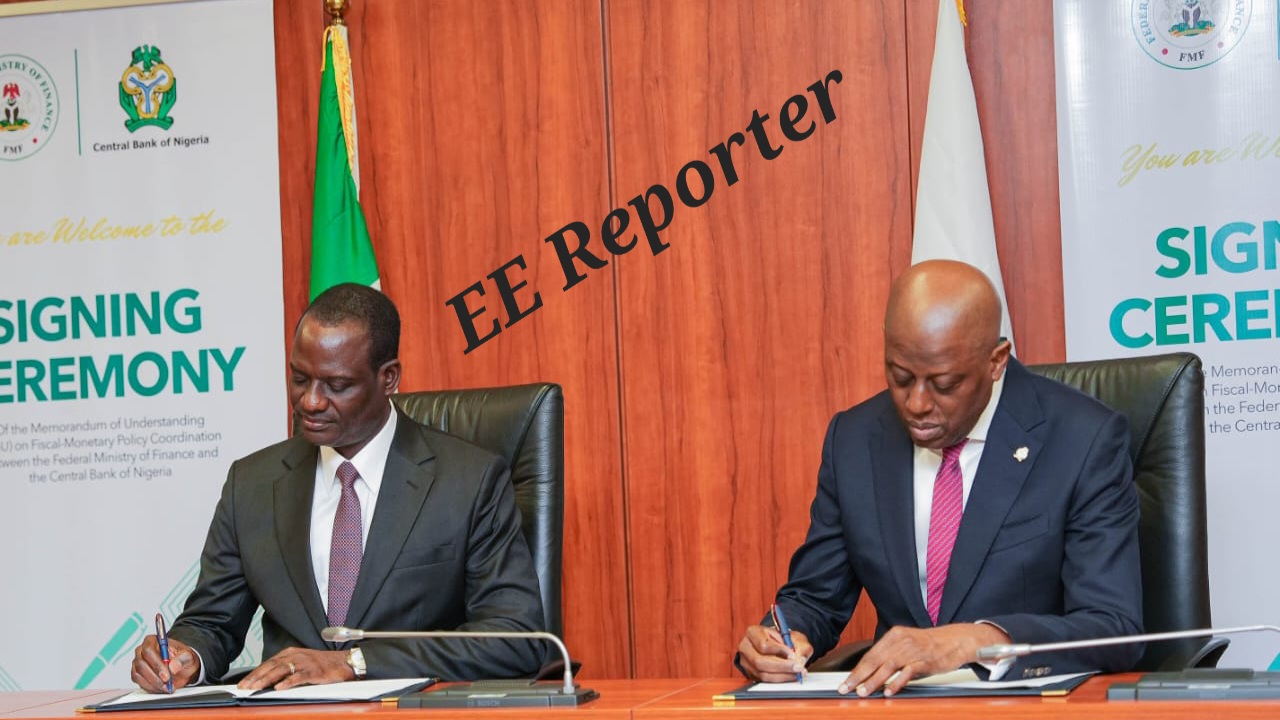
FG, CBN Sign MoU to Strengthen Fiscal, Monetary Policy Coordination
The Federal Ministry of Finance and the Central Bank of Nigeria (CBN) have formalised a new framework for closer fiscal and monetary policy coordination, in an effort to strengthen economic stability, improve policy consistency and address inflation.
Eereporter.com
The Minister of Finance and Coordinating Minister of the Economy, Taiwo Oyedele, said the Memorandum of Understanding (MoU) would institutionalise coordination through stronger information sharing, aligned macroeconomic assumptions, consistent forecasts and clearer mechanisms for resolving areas where fiscal and monetary policies could work at cross purposes.
Speaking at the signing ceremony in Abuja, Oyedele said the framework was designed to move coordination beyond personalities and make it a permanent feature of Nigeria’s economic management.
He stressed that while the Ministry and the CBN have distinct mandates and must retain their institutional independence, their policies ultimately affect the same economy and therefore require closer coordination.
He explained that government borrowing has implications for liquidity, interest rates and financing costs, while monetary policy affects government finances.
Exchange rates, tariffs, government spending and agricultural policies also have direct consequences for prices, revenue and economic activity.
Oyedele identified bringing inflation sustainably into single digits as a major focus of the framework, stressing that this could not be achieved through monetary policy alone. He said the Ministry would contribute through disciplined spending, sound cash and liquidity management and more efficient government financing, while fiscal interventions would address structural drivers of inflation, particularly food, energy, imported costs and logistics.
On food inflation, the Minister said the Ministry would work with relevant institutions and state governments to strengthen grain reserves, improve agricultural yields and irrigation, build climate resilience and address farm-to-market infrastructure gaps.
He also ruled out a return to fuel subsidy, saying it would put further pressure on public finances and the naira, while improved foreign exchange stability and tax exemptions on fuel had contributed to moderating prices.
Oyedele said better economic data would also be critical to effective policy coordination, noting that the Ministry was working with the National Bureau of Statistics to expand the quality and range of data available for policy decisions.
Under the new framework, the Ministry and the CBN will also strengthen information sharing on cash positions, financing plans, credit growth and foreign exchange flows. “Better coordination starts with a common evidence base,” he said.
The Minister said recent economic developments showed strengthening confidence in the Nigerian economy, citing a balance of payments surplus of more than $5 billion in 2025 and external reserves of over $54 billion.
The minister pointed to increased non-oil exports, declining refined-product imports as domestic refining capacity expands, Nigeria’s return to Frontier Market status and its inclusion in JPMorgan’s new frontier local-currency government bond index.
He, however, stressed that the government’s focus extended beyond short-term portfolio inflows to attracting patient capital that would translate into factories, infrastructure, technology and jobs.
“This required policy consistency and certainty and a regulatory environment that does not impose unnecessary burdens on businesses, while the coordination framework would also take account of the economic consequences of insecurity and illicit financial flows.
Oyedele explained that the Federal Ministry of Finance would continue to drive fiscal discipline, improved liquidity management, stronger transparency and data systems, more efficient financing and reforms aimed at increasing production and easing structural inflation.
“Nigeria has one economy. Fiscal policy cannot succeed without price stability; monetary policy cannot deliver price stability if fiscal policy pulls in the opposite direction,” he said.
The CBN Governor, Olayemi Cardoso, described the signing as a significant step in strengthening Nigeria’s macroeconomic management and economic stability, noting that fiscal and monetary policies are complementary instruments whose combined impact is stronger when they work in harmony.
Cardoso said the MoU did not create a new relationship between the two institutions, which have collaborated for decades on inflation management, debt sustainability, budget financing, exchange rate stability and responses to economic shocks.
Rather, he said, it formalises that longstanding collaboration through structured processes for regular consultation, information exchange and policy coordination.
He said the framework would strengthen cooperation in areas including government cash management, debt issuance planning, liquidity forecasting, macroeconomic analysis and periodic policy consultations.
CBN, FG
The CBN Governor added that the timing was particularly important as the CBN advances its transition towards an inflation-targeting framework, whose effectiveness also depends on a supportive fiscal environment.
Cardoso commended Oyedele and the technical teams from both institutions for their roles in bringing the initiative to fruition, reaffirming the CBN’s commitment to sound monetary policy, macroeconomic stability and financial system resilience. He said the strengthened partnership would help build a more stable and resilient economy capable of creating greater opportunities for Nigerians.
Efe Ovuakporie Head information & PR Unit
18th Sept. 2026
Eereporter.com
-
 Crime1 year ago
Kogi Assembly Considers Law To Regulate Rent, Establish Control Board: Tenancy Law
-

 News2 years ago
Atiku Reveals Why He Failed To Pick Wike As Running Mate In 2023
-

 Akwa Ibom2 years ago
The Apostolic Church Gets New Territorial Chairman, Exco
-

 Crime2 years ago
Federal High Court Jails 2 For Vandalizing Transformer, Telecom Mast In Kogi
-
 News2 years ago
The Apostolic Church Gets New National President, Executive
-
 Akwa Ibom2 years ago
Umo Eno Commences Payment Of 80,000 Naira Minimum Wage With Arrears
-

 News2 years ago
Senator Natasha Returns To Senate With Husband Amid Seat Dispute
-

 Economy1 year ago
Kiyosaki: Is Tinubu’s Government Afraid Of Ibrahim Traore?