
Economy
NPA Port Modernisation, NSW as Catalysts for Economic Growth

NPA Port Modernisation, NSW as Catalysts for Economic Growth
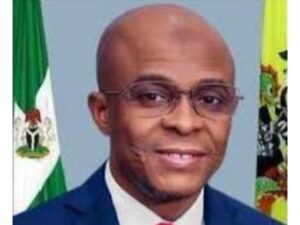
Nigeria’s maritime sector, the gateway through which over 80 per cent of the nation’s international trade flows, is undergoing a sweeping transformation, which is being midwifed by the Managing Director of the Nigerian Ports Authority, Dr. Abubakar Dantsoho. Anchored on port modernisation, digital trade facilitation and institutional reform, the new maritime policy direction is designed to reposition Nigeria’s seaports as competitive hubs within the global shipping ecosystem
Last week, the Nigerian Ports Authority (NPA) released its 2025 report showing that the nation’s maritime sector recorded a historic surge in activity, driven by increased cargo throughput, rising container traffic, and a growing export footprint — a development that underscores the federal government’s commitment to economic diversification.
The 2025 Operational Performance Report released by the NPA revealed that total cargo throughput surged by 24.8 per cent rising from approximately 103.6 million metric tons in 2024 to over 129.3 million metric tons in 2025.
The Managing Director of the Nigerian Ports Authority (NPA), Dr. Abubakar Dantsoho, described the growth as one of the most significant annual increases in Nigeria’s maritime history, noting that the milestone strengthens the country’s position as a more competitive and strategic player in regional and global trade. The outstanding performance did not just happen overnight, it is a result of the transformative reforms of the federal government. For decades, the nation’s ports struggled with a lot of constraints.
However, President Bola Tinubu is reversing the trend through an ambitious reform programme driven by the Ministry of Marine and Blue Economy under Adegboyega Oyetola and implemented largely by the Nigerian Ports Authority under the leadership of its Managing Director and Chief Executive Officer, Dr Abubakar Dantsoho.
At the centre of the reform strategy are two interconnected initiatives: the comprehensive modernisation of Nigeria’s port infrastructure and the deployment of the National Single Window (NSW), a digital platform designed to streamline trade documentation and eliminate bureaucratic delays. Ahead of the flag off of NSW, the NPA put the structures in place and is fully ready. The NPA being a critical stakeholder in the NSW initiative has fully aligned
its operational processes with the NSW platform. In furtherance of this, NPA has been part of the NSW Committee, which has been working with the NSW Project Team, KPMG, and Crimson-Logic. These engagements have focused on ensuring seamless integration of the Authority’s Revenue Invoice Management System (RIMS 2.0) with the NSW architecture. Several strategic, operational and technical decisions have been taken to align current processes with the national framework. In line with Phase 1 of the NSW go-live, NPA has participated in a series of technical and strategic engagements with the NSW Project Team and implementation partners, complete initial User Acceptance Testing (UAT), inauguration of Transition Committee of the NSW and the development and delivery of all requested system endpoints (integration codes) to enable process alignment between NPA and NSW platforms. Together, these initiatives represent one of the most far-reaching attempts to unlock the economic potential of Nigeria’s maritime sector and position it as a critical engine of national growth. Nigeria’s ports have long been central to the country’s economic architecture. Yet for many years, they have been constrained by infrastructural decay and operational inefficiencies.
Experts estimate that Nigeria loses more than N1 trillion annually due to the lack of port automation and modern infrastructure, as congestion, delays and administrative duplication increase logistics costs for businesses and discourage shipping lines.
In addition to these financial losses, inefficient port operations have undermined Nigeria’s regional competitiveness. West African ports in countries such as Ghana, Togo and Benin Republic, equipped with modern facilities and digital trade systems, have captured significant volumes of cargo originally destined for Nigeria.
The result has been a paradox: Africa’s largest economy operating with ports that have struggled to match the capacity and efficiency of smaller neighbouring economies.
Addressing this gap has therefore become central to the maritime reform agenda of the Tinubu administration.
Ports Reconstruction and Modernisation
A cornerstone of the reform programme is the large-scale reconstruction and modernisation of Nigeria’s major seaports.
The federal government has initiated an ambitious infrastructure renewal plan targeting key facilities including Apapa, Tin Can Island, Port Harcourt, Warri and Calabar ports. The objective is to upgrade quay walls, deepen channels, modernise cargo-handling equipment and expand terminal capacity to accommodate larger vessels and increased trade volumes. The strategy reflects a recognition that efficient ports are indispensable to economic growth. Modern ports reduce vessel turnaround time, lower freight costs and enhance supply chain efficiency, factors that directly influence a country’s competitiveness in international trade.
Early indicators suggest that these reforms are already beginning to produce measurable results. Nigeria’s cargo throughput recorded a significant surge in recent years, rising by 45.1 per cent to 103.3 million tonnes, while ship calls increased to more than 4,000 vessels across Nigerian ports. Container traffic also climbed to 1.74 million TEUs, reflecting growing trade activity and increased export shipments. These improvements highlight the economic potential that could be unlocked when infrastructure upgrades are combined with operational reforms.
One of the most immediate advantages of port modernisation is the improvement in operational efficiency. Many of Nigeria’s major ports were constructed several decades ago and have struggled to cope with the demands of modern shipping and cargo handling. Ageing quay walls, shallow drafts, obsolete equipment and limited cargo-handling capacity have often resulted in congestion and long vessel waiting times. Modernisation programmes that involve infrastructure upgrades, channel deepening and the deployment of modern cargo-handling equipment will significantly reduce vessel turnaround time and cargo dwell time. Faster port operations mean ships spend less time waiting to berth, while cargo is cleared more quickly, improving the overall efficiency of the logistics chain.
Inefficient ports often translate to higher logistics costs for importers, exporters and shipping companies. Delays in cargo clearance lead to additional charges such as demurrage, storage and handling fees, which are ultimately passed on to consumers in the form of higher prices. By improving infrastructure and operational processes, port modernisation will lower these costs and make Nigerian ports more attractive to shipping lines and international investors. This could also reverse the long-standing trend of Nigerian cargo being diverted to neighbouring ports in countries such as Benin Republic, Togo and Ghana.
Digital Transformation Via NSW
Infrastructure alone, however, cannot deliver a competitive port system without complementary digital reforms. This is where the National Single Window (NSW) initiative becomes critical.
Last week, the Chief of Staff to the President, Femi Gbajabiamila, announced that Nigeria will launch the National Single Trade Window platform on March 27.
He described the initiative as a monumental reform aimed at transforming the country’s trade ecosystem by simplifying procedures, improving efficiency and enhancing Nigeria’s competitiveness in global trade.
According to him, the initiative, which was first introduced by President Bola Tinubu nearly two years ago, represents a far-reaching fiscal reform designed to modernise Nigeria’s trade processes.
“We are about to launch yet another reform, fiscal reform by this administration, which in its nature will be very transformational,” he said.
The NSW is designed as an integrated digital platform that enables traders to submit all import, export and transit documentation through a single electronic interface rather than interacting with multiple government agencies.
The NSW seeks to eliminate these inefficiencies by creating a unified digital ecosystem that integrates all trade-related processes.
The implementation of the National Single Window adds a critical digital dimension to these reforms. The NSW is an integrated electronic platform that allows traders to submit all import and export documentation through a single portal rather than dealing separately with multiple government agencies. In the traditional system, importers and exporters are required to process documentation with several regulatory bodies, including customs, port authorities and inspection agencies. This fragmented process often leads to duplication, delays and bureaucratic bottlenecks. The National Single Window eliminates these inefficiencies by integrating all trade-related processes into one digital ecosystem.
The result is faster cargo clearance, improved transparency and greater accountability in port operations. Digital platforms reduce human intervention in administrative processes, thereby minimising opportunities for corruption and revenue leakages. In addition, real-time information sharing among stakeholders enhances coordination and improves decision-making across the maritime value chain.
From a macro economic perspective, these reforms have the potential to significantly boost government revenue and stimulate economic growth. Efficient ports facilitate increased trade volumes, which in turn lead to higher customs duties, port charges and related maritime revenues. Improved logistics infrastructure also supports export-oriented industries by ensuring that Nigerian products can reach international markets more efficiently.
Furthermore, modern ports and digital trade systems can attract foreign direct investment into sectors such as shipping, logistics, manufacturing and maritime services. Investors are typically drawn to economies with reliable infrastructure and efficient trade systems, and the ongoing reforms are expected to strengthen Nigeria’s competitiveness in the global trading environment.
Ultimately, the combined impact of port modernisation and the National Single Window will extend beyond the maritime sector. By improving trade facilitation, lowering logistics costs and enhancing revenue generation, these reforms will contribute to broader economic diversification and position Nigeria as a leading maritime hub in West and Central Africa.
Analysts project that a fully operational National Single Window could boost customs revenue by 10 to 20 per cent annually, translating into an additional N600 billion to N1.2 trillion in government earnings. Beyond revenue generation, the system could reduce cargo dwell time by 35 to 45 per cent and cut overall trade transaction costs by up to 25 per cent. Such improvements would significantly enhance Nigeria’s logistics performance and ease of doing business.
NPA’s Operational Leadership
The successful implementation of these reforms depends heavily on the institutional leadership of the Nigerian Ports Authority.
Under the leadership of Abubakar Dantsoho, the NPA has intensified efforts to modernise infrastructure, strengthen digital systems and improve operational efficiency across the nation’s port network. The authority’s reform agenda includes the deployment of advanced automation tools such as the Port Community System, the Vessel Traffic Management System and digital cargo tracking platforms.
These initiatives are designed to enhance real-time coordination among port stakeholders and create the technological backbone required for the National Single Window to function effectively. The impact of these reforms is also reflected in the financial performance of the NPA.
The authority generated N894.86 billion in revenue in 2024 and is projecting N1.28 trillion in revenue for 2025, driven largely by increased cargo traffic, digital automation and infrastructure upgrades. Additionally, the NPA remitted a record N400.8 billion to the Consolidated Revenue Fund (CRF) in 2024, nearly double the amount remitted the previous year. These figures underscore the growing economic significance of Nigeria’s maritime sector when supported by effective institutional leadership.
Oyetola’s Policy Coordination
While the NPA handles operational execution, the broader policy direction guiding the reforms comes from the Ministry of Marine and Blue Economy led by Adegboyega Oyetola.
The establishment of the ministry itself marked a strategic shift in Nigeria’s economic planning by recognising the maritime domain as a critical driver of national development.
The blue economy encompasses a wide range of activities including shipping, fisheries, marine transport, offshore energy and coastal tourism.
For Nigeria — with over 850 kilometres of coastline and vast maritime resources — these sectors represent enormous untapped economic potential.
Oyetola’s policy framework focuses on strengthening maritime governance, enhancing regulatory coordination and attracting investment into port infrastructure and maritime services. By aligning policy reforms with infrastructure upgrades and digital transformation, the ministry aims to build a maritime ecosystem capable of supporting Nigeria’s long-term economic diversification.
Expanding Maritime Trade
Another key objective of the reform programme is to position Nigeria as a major maritime logistics hub in West and Central Africa.
Nigeria’s geographic location already places it along some of the busiest shipping routes connecting Europe, Asia and the Americas with Africa. However, inefficiencies in port operations historically prevented the country from fully capitalising on this advantage.
With modern infrastructure, improved digital systems and streamlined regulatory processes, Nigeria’s ports could become the preferred destination for cargo serving the West African sub-region.
Evidence of this emerging potential can already be seen in the growing role of ports such as Lekki Deep Sea Port, which has significantly increased container traffic and trans-shipment volumes. The development of modern ports alongside improved inland logistics networks could transform Nigeria into a regional redistribution centre for maritime trade.
Economic Multipliers
The broader economic implications of these reforms extend far beyond the port terminals themselves. Efficient ports stimulate economic activity across multiple sectors, including manufacturing, agriculture, logistics and international trade.
Faster cargo clearance reduces production delays for industries that rely on imported raw materials, while improved export logistics enhance the competitiveness of Nigerian products in global markets.
Digital trade systems also improve transparency and reduce revenue leakages, strengthening government finances.
In addition, maritime infrastructure investments create employment opportunities across engineering, logistics, information technology and port operations.
Analysts estimate that a fully operational digital maritime ecosystem could generate over 100,000 direct and indirect jobs across the logistics and ICT sectors. Such economic multipliers highlight why the maritime sector is increasingly viewed as a strategic pillar of Nigeria’s economic diversification strategy.
Charting Nigeria’s Maritime Future
The reforms being implemented in Nigeria’s maritime sector represent one of the most significant structural transformations of the country’s trade infrastructure in decades.
By combining port modernisation with digital trade facilitation, the administration of Bola Ahmed Tinubu is laying the groundwork for a more efficient and globally competitive port system.
With strong policy coordination from Adegboyega Oyetola and operational leadership from Abubakar Dantsoho at the Nigerian Ports Authority, the maritime sector is gradually being repositioned as a major driver of national economic growth.
If sustained and fully implemented, these reforms could transform Nigeria’s ports into modern logistics gateways capable of supporting industrial expansion, regional trade integration and long-term economic prosperity.
In many ways, the success of this maritime transformation will not only redefine the efficiency of Nigeria’s port system but also shape the country’s role in the future architecture of global trade.

EFCC Arraigns Former SKye Bank Chairman, Tunde Ayeni For N15.6b Fraud
The Economic and Financial Crimes Commission, EFCC, on Monday, May 4, 2026, arraigned a former Chairman, Board of Directors of the defunct Skye Bank Plc, Tunde Ayeni before Justice Jude Onwuzuruike of the Federal Capital Territory, FCT, High Court, Apo, Abuja.
Ayeni was arraigned on a 17-count charge bordering on criminal breach of trust, misappropriation and conversion of investors’ funds to the tune N15,665,085,429 (Fifteen Billion, Six hundred and Sixty five Million, Eighty five thousand, Four Hundred and Twenty-nine Naira (N15,665,085,429).
Prosecution counsel E.E. Iheanacho, SAN, informed the court that the matter was slated for arraignment and prosecution ready for trial.
“We have before the court 17-count charge dated April 28, 2026, we humbly apply that the charge be read to the defendant”, he said.
Eereporter.com
Count three of the charge reads: “That you, Tunde Ayeni, whilst being the Chairman, Board of Directors of the defunct Skye Bank Plc between 21st of October, 2014 and 19th November, 2014 at Abuja within the jurisdiction of this Honourable Court and having dominion over depositors funds domiciled in the defunct Skye bank Plc’s Suspense Account, committed criminal breach of trust when you dishonestly misappropriated the aggregate sum of Three billion, Two hundred and One million, Five Hundred and Thirty Five Thousand, Four Hundred and Twenty Nine Naira, Forty two kobo(N3,201,535,429.42) by transferring same to Misa Limited’s account No: 1011295717 and 1011295718 domiciled with Zenith Bank in Violation of the Prudential Guidelines and other regulations and thereby committed an offence contrary to Section 311 of the Penal Code and punishable under Section 312 of the same Act.
Count five of the charge reads: “That you Tunde Ayeni, whilst being the Chairman, Board of Directors of the Defunct Skye Bank Plc on or about 27th November, 2014, at Abuja within the Jurisdiction of this Honourable Court and having dominion over depositors’ funds domiciled in the defunct Skye bank Plc’s Suspense Account, committed criminal breach of trust when you dishonestly misappropriated the sum of Five Billion, Seventy Eight million, Five hundred and Fifty thousand Naira(N5, 078,550,000) by transferring same to Union Registrar Limited’s Account No: 0003490559 domiciled with Union Bank in violation of the Prudential Guidelines and other Regulations and thereby Committed an offence contrary to Section 311 of the Penal Code and Punishable under Section 312 of same Act.”

Fraud
Ayeni pleaded “not guilty” to the charges when they were read to him.
In view of his “not guilty” plea, Iheanacho prayed the court for a trial date and urged the court to remand the defendant in a Correctional Centre.
Defence counsel, Ahmed Raji Bashir, SAN, informed the court that the charge was given to the defendant on a public holiday adding that he considered it imperative to inform the court. He also prayed the court to release the defendant to him or return him to the custody of the EFCC.
Justice Onwuzuruike adjourned the matter to May 13, 2026, for hearing of the bail application, while the defendant was remanded at the Kuje Correctional Centre pending determination of bail application.
Economy
World Press Freedom Day: FG Calls For Collaboration To Address Disinformation, Misinformation
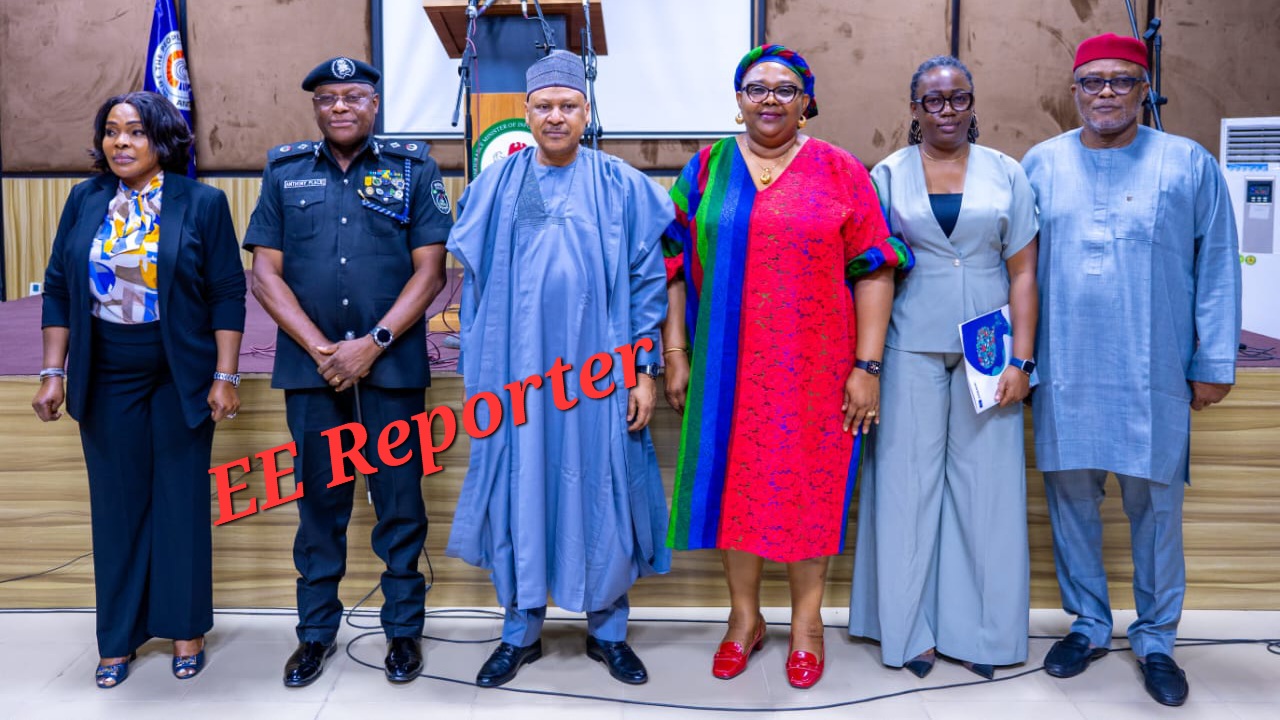
World Press Freedom Day: FG Calls For Collaboration To Address Disinformation, Misinformation
The Federal Government has called for stronger collaboration among the media, government institutions, and other stakeholders to address the growing threat of disinformation and misinformation, stressing that collective action is essential to protect public trust and national stability. The Honourable Minister of Information and National Orientation, Mohammed Idris, made this known on Monday in Abuja at the 2026 World Press Freedom Day commemoration held at Radio House.
“This administration has prioritised collaboration with media stakeholders and international partners to promote responsible journalism, counter disinformation and misinformation,” said the Minister.
He described press freedom as a fundamental right guaranteed under the Constitution, noting that the Federal Government remains fully committed to its protection. “The Federal Government fully recognises press freedom as a fundamental right and remains committed to fostering an environment where the media can operate freely, safely, and responsibly, in accordance with democratic principles and the rule of law,” he stated.
Idris noted that the Federal Government, under the leadership of President Bola Ahmed Tinubu, has taken deliberate steps to strengthen transparency and access to information through sustained media engagement, implementation of the Freedom of Information Act, and investment in public communication platforms.
Eereporter.com
He further pointed to Nigeria’s partnership with UNESCO in establishing the International Media and Information Literacy Institute (IMILI) in Abuja as a key step towards building a more informed and discerning public. “This pioneering initiative reflects our commitment to strengthening media and information literacy, empowering citizens to engage with information critically, and promoting responsible communication in the digital age.”
The Minister urged journalists to uphold professionalism, fairness, and ethical standards in their work, stressing that press freedom must go hand in hand with responsibility. “The true test of press freedom lies not in our declarations, but in our actions, how safely journalists can do their work, how truthfully information is shared, and how responsibly it is consumed,” he said.
Earlier in her welcome address, the Permanent Secretary of the Federal Ministry of Information and National Orientation, Dr. Binyerem Ukaire, described the event as a critical platform for strengthening collaboration across institutions.
“This gathering reflects our shared commitment to strengthening press freedom and fostering a more informed and inclusive society. It provides an opportunity for constructive engagement on how best to advance a media environment that is both free and responsible,” she said.

World Press Freedom Day
Ukaire emphasised the need for coordinated responses to the challenges posed by the evolving information ecosystem, particularly the spread of misinformation. “The expansion of digital platforms has introduced new complexities that require coordinated institutional responses, especially in addressing misinformation and strengthening public trust,” she noted.
She added that the Ministry remains committed to facilitating dialogue, strengthening partnerships, and promoting professionalism within the media space.
The Federal Government reiterated its commitment to working with the media, civil society, and international partners to build a resilient information system that supports democratic governance, national unity, and sustainable development.
The event was attended by the Inspector General of Police, represented by FPRO, DCP Anthony Okon Placid, mni, mnipr; the Director-General of the Department of State Services, represented by Director of Protocol M. O. Chukwuka, fsi; Executive Secretary, Nigerian Press Council, Dr Dilli Ezughah; Head of UNESCO Abuja Office, represented by the Head of Communication and Information Sector, Ms Yachat Nuhu.
Rabiu Ibrahim
Special Assistant (Media) to the Honourable Minister of Information and National Orientation
Monday, May 4, 2026

NNPC, Chinese Firms Sign MoU Towards Restart, Expansion Of Warri, Port Harcourt Refineries
The NNPC Ltd has signed a Memorandum of Understanding (MoU) with two Chinese companies, Sanjiang Chemical Company Limited and Xinganchen (Fuzhou) Industrial Park Operation and Management Co. Ltd, for collaboration through a potential Technical Equity Partnership in support of the completion and operation of the Port Harcourt and Warri Refineries.
The MoU was signed by the Group CEO, NNPC Ltd, Engr. Bashir Bayo Ojulari; Chairman, Sanjiang Chemical Company, Guan Jianzhong and Chairman of Xinganchen (Fuzhou) Industrial Park Operation and Management Co. Ltd, Bill Bi, in Jiaxing City, China, on Thursday, April 30, 2026.
Eereporter.com
The potential framework would cover completion of outstanding work at the two refineries, together with operating and maintaining both facilities to achieve best-in-class, sustainable performance. Planned expansion and upgrades would elevate both facilities to cleaner, more profitable product standards.
The potential collaboration also contemplates expanding the refineries’ petrochemical capacities and harnessing gas and downstream opportunities through the development of co-located, gas-based industrial hubs.
Speaking shortly after signing the dotted lines, the GCEO NNPC Ltd, Engr. Bashir Bayo Ojulari, described the MoU execution as a significant milestone, following more than six months of concerted engagement between the technical and management teams of NNPC and the two Chinese partners.
“All parties recognise mutually beneficial opportunities for the development and long-term sustainable profitability of NNPC’s refining assets in Nigeria, and the collective weight required for success,” Ojulari noted.

NNPC
The GCEO further stated that the MoU is a significant step on the journey towards identifying potential technical equity partner(s) to restart and expand NNPC’s refineries, and to explore opportunities in co-located petrochemicals and gas-based industries.
The MoU reflects the parties’ shared intent to progress discussions in good faith, with any definitive arrangements to follow in due course and subject to customary approvals.
-
 Crime1 year ago
Kogi Assembly Considers Law To Regulate Rent, Establish Control Board: Tenancy Law
-

 News1 year ago
Atiku Reveals Why He Failed To Pick Wike As Running Mate In 2023
-

 Akwa Ibom2 years ago
The Apostolic Church Gets New Territorial Chairman, Exco
-

 Crime1 year ago
Federal High Court Jails 2 For Vandalizing Transformer, Telecom Mast In Kogi
-

 News2 years ago
The Apostolic Church Gets New National President, Executive
-
 Akwa Ibom2 years ago
Umo Eno Commences Payment Of 80,000 Naira Minimum Wage With Arrears
-

 News1 year ago
Senator Natasha Returns To Senate With Husband Amid Seat Dispute
-

 Economy1 year ago
Kiyosaki: Is Tinubu’s Government Afraid Of Ibrahim Traore?