
News
NAF Prepares Pilots For Incoming Modern Platform, Hail President Tinubu

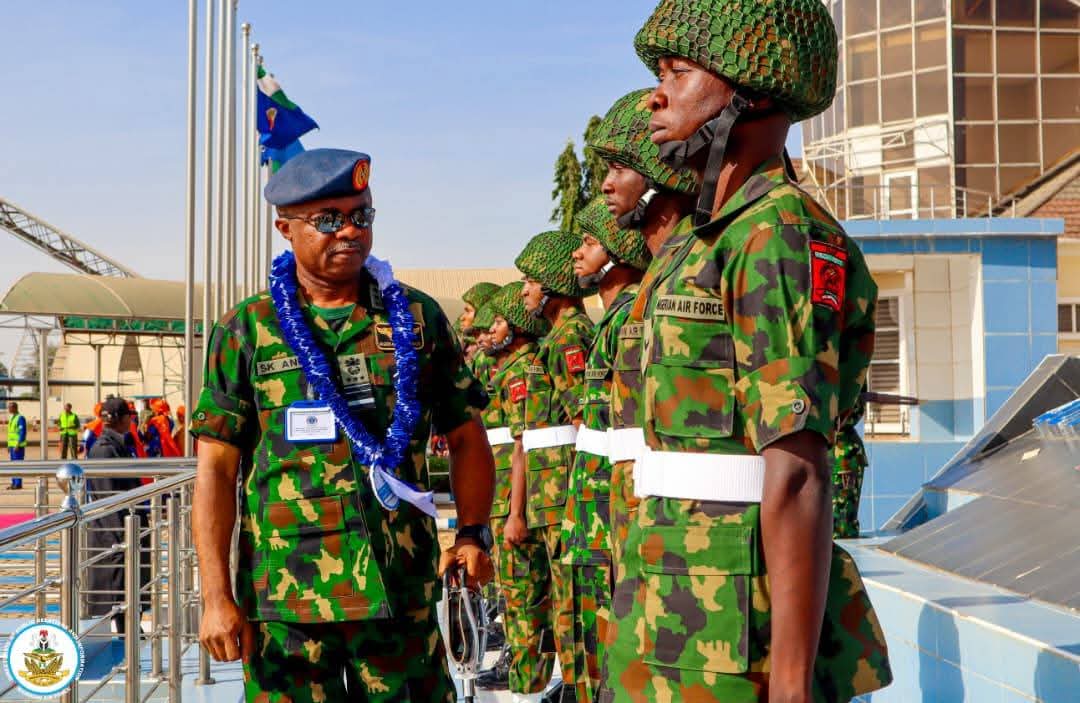
NAF Prepares Pilots For Incoming Modern Platform, Hail President Tinubu
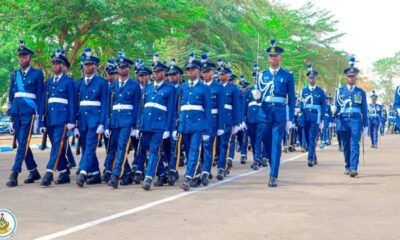
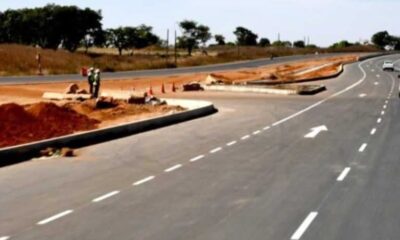
NAF prepares pilots for incoming modern platform, hail President Tinubu. The Nigerian Air Force (NAF) has taken a major step in preparing its personnel for the operation of incoming modern and advanced aircraft, as the Chief of the Air Staff (CAS), Air Marshal Sunday Kelvin Aneke, on 13 February 2026 commissioned key infrastructural projects at NAF Base Kaduna. During the ceremony, the CAS said the developments are critical to readying the next generation of pilots who will operate the Service’s incoming platforms.
“In this regard, the completion of the Student Pilots’ Quarters is a major step in preparing pilots who will operate modern advanced aircraft, enabling the projection of smart and decisive airpower to eliminate terrorist threats while safeguarding our people,” he said.
Air Marshal Aneke emphasised that the commissioning goes beyond infrastructure. “My mission here is not just about buildings but about fulfilling my command philosophy, to enhance and sustain a highly motivated, professional, and mission-ready force capable of delivering decisive airpower effects in synergy with surface forces for the realisation of national security objectives,” he stated. The CAS expressed profound appreciation to the President and Commander-in-Chief of the Armed Forces, President Bola Ahmed Tinubu, for his unwavering commitment to national security.
“We salute President Tinubu for his unwavering support to national security, as demonstrated by his bilateral engagement with the Government of the Republic of Türkiye for defence equipment, including the acquisition of advanced helicopters and Unmanned Aerial Vehicles for the Nigerian Air Force,” he added.
Highlighting the Service’s ongoing transformation, Air Marshal Aneke disclosed that strategic engagements in the United States, Italy, and Türkiye are already yielding results. “We are fast-tracking the procurement of 24 M-346 Fighter Ground Attack Aircraft, 12 AH-1Z Viper attack helicopters, and 10 AW-109 Trekker helicopters, all aimed at enhancing our operational effectiveness across the full spectrum of air operations,” he noted.
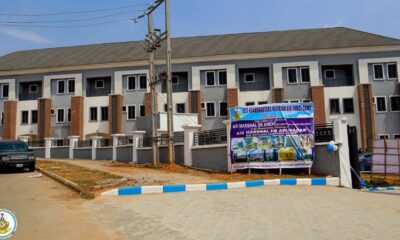
The infrastructure projects commissioned include six blocks of 12 one-bedroom Student Pilots’ Quarters, a block of six three-bedroom flats initiated by the Ministry of Defence and completed by the NAF, and a block of 30 one-bedroom studio apartments for airmen and airwomen of the Military Training Centre.
The CAS urged personnel to maintain the highest standards of discipline and professionalism. “Use these structures with care and a deep sense of responsibility. Let them reflect a strong culture of maintenance and pride, ensuring they remain a source of comfort and dignity for current and future occupants,” he said.
He appreciated the former CAS, Air Marshal HB Abubakar for the foresight in initiating the project, commended the Logistics Branch, the Air Officer Commanding, and all contractors for the timely delivery of the projects, while acknowledging the Federal Government and the leadership of the National Assembly for enabling fiscal releases that made the developments possible.
NAF Prepares Pilots For Incoming Modern Platform
He reaffirmed the Service’s commitment to the President’s Renewed Hope Agenda: “We pledge to be critical stakeholders in the actualisation of a safe, secure, and prosperous Nigeria.”
In his welcome address, the Air Officer Commanding, Air Training Command, Air Vice Marshal EP Efanga, praised the leadership of the CAS and the dedication of personnel and contractors involved in completing the projects.
“These facilities mark a significant milestone in strengthening operational readiness and improving personnel welfare,” he said. “They will play a key role in preparing our pilots to operate the advanced platforms that will shape the future of the Nigerian Air Force.”
He also expressed gratitude to the CAS for his unwavering support to the Command, noting that it has been instrumental in elevating the Command to its present level of excellence.







Economy
National Oil Corporation: NILEPET Leadership Advances Institutional Reform Amid Regional Challenges
National Oil Corporation:
NILEPET Leadership Advances Institutional Reform Amid Regional Challenges
National Oil Corporation:
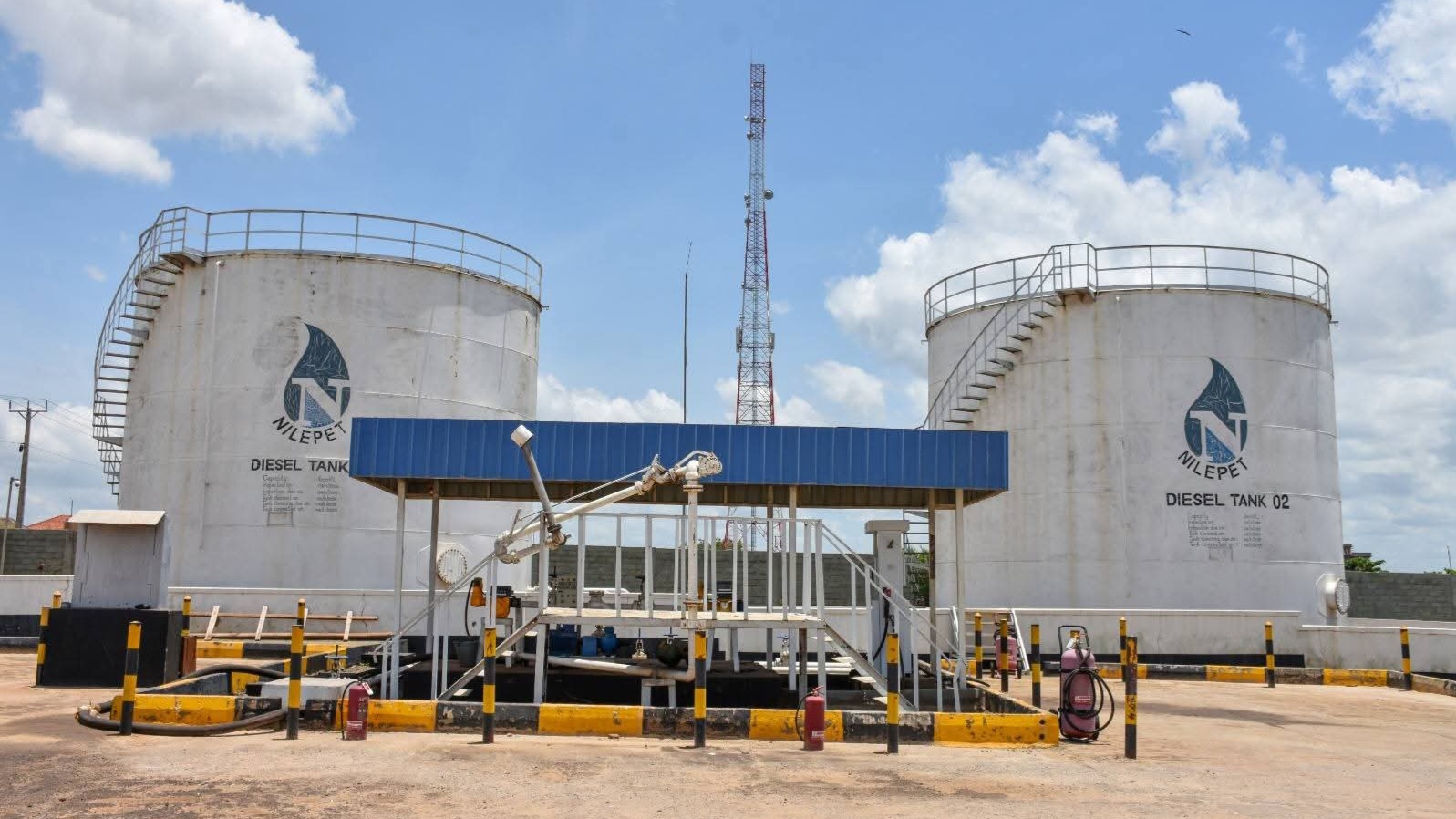
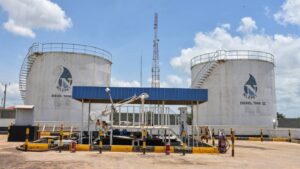
NILEPET Leadership advances institutional reform amid regional challenges. JUBA, South Sudan — February 13, 2026 — The Public Relations Department of Nile Petroleum Corporation (NILEPET) wishes to address the recent circulation of reports targeting the reputation of the National Oil Corporation.
On Inaccurate and Outdated Reporting back to 2013 _ 2019:
NILEPET notes with concern that several reports currently being circulated rely on data from over a decade ago. We categorically state that information from ten years ago cannot be used to evaluate the operational reality of today. Furthermore, we clarify that the absence of a published audit at this specific moment does not, in any way, justify unfounded allegations of financial misconduct.
We urge the media and international observers to exercise restraint and maintain professional standards, as spreading misinformation only serves to damage the nation’s reputation.
Leadership and Staff Welfare
Under the visionary leadership of Managing Director Emmanuel Athiei Ayual, the current management team is working tirelessly to restore institutional integrity. This new era of leadership began with a firm commitment to the people of South Sudan.
In the last 100 days alone, the management has successfully launched intensive programs focused on staff welfare and technical capacity building.
This internal transformation is not a one-time event, but a continuous process of meeting international corporate standards. By investing in our employees, we are ensuring that NILEPET remains a competitive and professional player on the global stage.
Operationa Resilience in Times of Crisis
Despite the severe logistical and economic challenges posed by the ongoing war in neighbouring Sudan, NILEPET continues to work hard to produce oil and stabilise the national budget. Our commitment to the Republic of South Sudan is unwavering.
NILEPET
The fact that our international partners continue to work seamlessly with NILEPET within the DPOC, SPOC, and GPOC JOCs is a clear sign of collective responsibility and trust. It is a testament to our good management that oil production has been maintained, ensuring the country remains economically resilient during these difficult times.
A Message to Stakeholders
MD Emmanuel Athiei Ayual and his management team are dedicated to a transparent and professional future. We assure the public, our international partners, and global finance indicators that we are restoring the situation with urgency. NILEPET will provide all necessary information and progress updates in due time as we continue to professionalise our operations.
We remain the cornerstone of South Sudan’s economy, moving forward with integrity and a focus on national development.
The Department of Public Relations
Nile Petroleum Corporation (NILEPET)
Juba, South Sudan
News
Recovered N33.16bn,$1.8m, Numerous Assets On N2.8bn Budget: Reps Demands Funding Overhaul For ICPC
Recovered N33.16bn,$1.8m, Numerous Assets On N2.8bn Budget: Reps Demands Funding Overhaul For ICPC
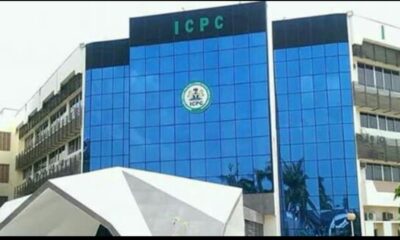
Recovered N33.16bn,$1.8m, numerous assets on N2.8bn budget: Reps demands funding overhaul for ICPC. The House of Representatives has declared that the Independent Corrupt Practices and Other Related Offences Commission (ICPC) is deserving of significantly increased funding and official commendation from the Federal Government.
This endorsement follows the Commission’s impressive performance, which has been sustained despite severe financial constraints.
Lawmakers made this assertion on Friday during the ICPC’s defense of its 2026 budget proposal before the House Committee on Anti-Corruption. Committee members lauded the Commission for its substantial financial recoveries on behalf the Federal Government, especially given what they termed “inadequate funding” for its operations.
They questioned the logic of underfunding an agency with a statutory mandate to combat corruption, warning that such neglect could compromise the safety and integrity of personnel handling sensitive cases nationwide.
During the session, Rt . Hon Kayode Akiolu, opened the box of praises for the ICPC and its Chairman by stating that the ICPC is an Anti- Corruption agency in Nigeria whose methods are wholesome and meet international best practices.
He commended the Chairman for being firm in sustaining solid foundations and examples for purposeful law enforcement. Also speaking, Hon. Abdulmaleek Abdulraheem, representing the Adavi/Okehi Federal Constituency of Kogi State, highlighted the Commission’s remarkable return on investment.
“You only got N2.8 billion last year, yet you were able to recover N33.16 billion and 1.8 million dollars, alongside numerous convictions,” Hon. Abdulraheem stated.
“There are agencies that are heavily funded but return nothing to the coffers of the Federal Government. As a committee, we must do something for the ICPC.
They deserve commendation, and we must also scrutinize their appropriation. Whatever was deducted from their 2026 budget should be refunded. If they cannot be given more than what was approved in 2025, they should not go below that figure.”
He further cautioned that persistent underfunding could expose the Commission to undue pressure and compromise, as resource scarcity can create vulnerabilities within critical anti-corruption institutions.
Echoing these concerns, other committee members requested amendment that would allow the Commission to retain a percentage of its recovered funds to directly support its operational and administrative activities.
According to Dr. Aliyu Mustapha Abdullahi, representing the Ikara/Kubau Federal Constituency, “We, as a committee, must push for an arrangement that allows the Commission to retain a certain percentage of its recoveries, just as the Nigeria Customs Service, NNPC, and other agencies do, in order to enhance efficiency and reduce reliance on unpredictable budgetary allocations.”
Earlier in his presentation, the Chairman of the ICPC, Dr. Musa Adamu Aliyu, SAN, appealed to the National Assembly to facilitate improved funding, enabling the Commission to effectively discharge its statutory mandate.
Dr. Aliyu lamented that inadequate funding, compounded by the poor release of approved allocations, significantly hampered the Commission’s operations in 2025. He disclosed that out of the N7.82 billion approved for overhead costs, a mere N2.1 billion (approximately 28%) was released. This shortfall had tangible consequences.
“Our lawyers and investigators often had to deploy personal funds to attend court proceedings and conduct investigations due to limited operational vehicles,” Dr. Aliyu explained. “Several investigations were stalled, and we experienced difficulties in paying service providers, particularly for our rented state offices.”
The situation was even more dire for capital projects. Although N7.3 billion was approved for capital expenditure, only N400.49 million (about 5%) was released.
Furthermore, these funds were released late, on November 28, 2025. “With such a late release, we could not fully execute projects as planned or award contracts in strict compliance with standard procurement practices,” he added.
Despite these daunting challenges, the ICPC Chairman reported notable achievements within the review period. These included the recovery of N33.1 billion in cash and $1.8 million, in addition to other intervention recoveries and seized assets. The Commission also filed 72 cases, secured 36 convictions, and is currently prosecuting approximately 400 cases across various courts nationwide.
In the realm of prevention and public engagement, Dr. Aliyu stated that the Commission received 1,107 petitions, assigned 700 for investigation, and successfully concluded 150 inquiries.
ICPC
Furthermore, Ethics and Integrity Compliance Scorecards were deployed across 344 Ministries, Departments, and Agencies (MDAs), and 131 Anti-Corruption and Transparency Units (ACTUs) were inaugurated nationwide.
Dr. Aliyu expressed deep concern over the proposed 2026 budget, noting a reduction from the Commission’s N25.8 billion proposal. The adjustments include a cut of N4.7 billion from overhead costs and N2.2 billion from capital expenditure. He warned that without urgent intervention, these cuts would adversely affect the Commission’s operations.
The ICPC Chairman reassured the Committee of the Commission’s unwavering commitment to fiscal discipline and the prudent management of resources, should funding be improved.
It would be recalled that the ICPC management team had previously appeared before the Senate Committee on Anti-Corruption to defend its 2026 budget proposal.
During that session, assurances were given that efforts would be made to engage the Senate Committee on Appropriation to consider enhancing the Commission’s funding.
J. Okor Odey
Spokesperson/Head, Media & Public Communications
Akwa Ibom Sets To Establish Electricity Regulatory Commission, Concession Power Plant
Akwa Ibom sets to establish electricity regulatory commission, concession power plant. Mr Robson said the development was part of efforts to improve electricity supply across the state.
News Agency of Nigeria • February 14, 2026
Akwa Ibom
Akwa Ibom
The Akwa Ibom government says it has commenced the process of establishing the State’s Electricity Regulatory Commission as well as concessioning of the Ibom Power Plant.
Iniobong Robson, the state’s commissioner for power, disclosed this on Saturday in Ikot Abasi Local Government Area of the state.
Mr Robson explained that the development was part of efforts to improve electricity supply across the state.
He also said that the development followed the signing of the amended Electricity Act by President Bola Tinubu, which empowered states to generate, distribute and regulate electricity within their jurisdictions.
According to him, the amended version of the electricity Act 2023 which has just been signed by the president, now empowers states to take charge of both generation and distribution of electricity.
He added that the state government was taking advantage of the new legal framework to assume greater control over its power sector and address persistent electricity challenges.
He revealed that within the shortest possible time, the state government would constitute a seven-member Electricity Regulatory Commission comprising five commissioners and two principal officers.
The commissioner also revealed that members of the commission would be selected based on professional competence, technical expertise and integrity to ensure effective regulation of the state’s electricity market.
Mr Robson noted that the state was strategically positioned to drive power sector reform, citing its vast gas reserves and the existing Ibom power plant as critical assets.
“The state-owned power plant will be revitalised through concession to a technically and financially capable operator to enhance efficiency and increase generation capacity.
“The goal is to ensure full commercial operations and improve service delivery to residents,” he said.
He added that within six months of establishing the commission, regulatory oversight of electricity distribution within the state would begin transitioning from the federal regulator to the state authority.
According to him, this is in line with the provisions of the amended law.
Electricity Regulatory Commission
He explained that while transmission of electricity would remain under federal control, the state could generate surplus power for export to other states through the national grid.
The commissioner acknowledged complaints from residents in some parts of the state over poor electricity supply, assuring that reforms were designed to address infrastructure deficiencies and improve service delivery.
He also said that the state government had developed a 10-year roadmap for the power sector, which include infrastructure upgrades, technical reviews and stakeholder engagement.
Mr Robson expressed optimism that the reforms would position Akwa Ibom to achieve stable and reliable electricity supply in the long term.
-
 Crime9 months ago
Kogi Assembly Considers Law To Regulate Rent, Establish Control Board: Tenancy Law
-

 News11 months ago
Atiku Reveals Why He Failed To Pick Wike As Running Mate In 2023
-

 Crime1 year ago
Federal High Court Jails 2 For Vandalizing Transformer, Telecom Mast In Kogi
-
 Akwa Ibom1 year ago
The Apostolic Church Gets New Territorial Chairman, Exco
-
 News1 year ago
The Apostolic Church Gets New National President, Executive
-
 Akwa Ibom1 year ago
Umo Eno Commences Payment Of 80,000 Naira Minimum Wage With Arrears
-

 News12 months ago
Senator Natasha Returns To Senate With Husband Amid Seat Dispute
-

 Economy9 months ago
Kiyosaki: Is Tinubu’s Government Afraid Of Ibrahim Traore?