
News
ECOWAS Adopts Resolution Banishing Children From Streets

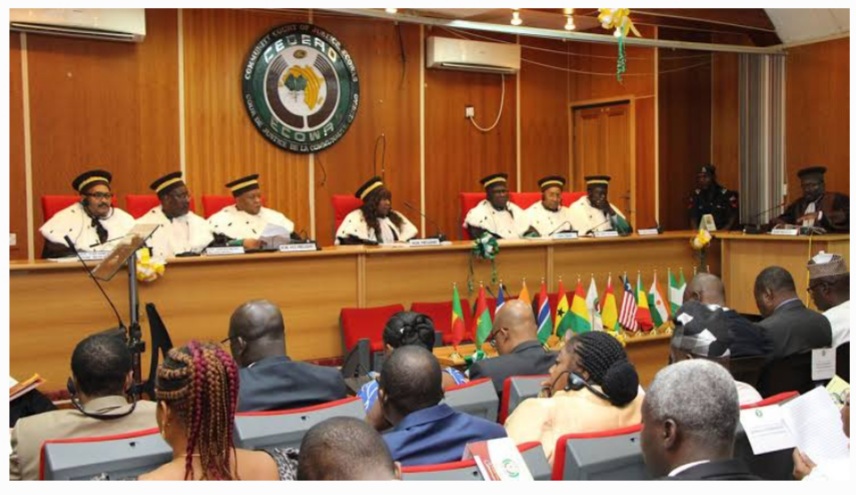
ECOWAS Adopts Resolution Banishing Children From Streets
The ECOWAS Parliament has adopted a resolution directing member states to take immediate action toward protecting street children, ending child exploitation, and removing them from the streets in the sub-region.
The lawmakers adopted the landmark resolution during the parliament’s ongoing 2026 First Ordinary Session on Thursday in Abuja.
They also mandated the parliament’s speaker to transmit the resolution and the joint committee report to the ECOWAS Commission president for onward submission to the chairman of the ECOWAS Council of Ministers.
The MPs noted that “street children, who are usually exposed to the gravest human rights abuses, are among the most neglected groups in society.”
The parliament’s decision follows recommendations from a delocalised meeting of its Joint Committee, which was held earlier in Freetown, Sierra Leone, in April.
The committee comprises Social Affairs, Gender, Women Empowerment, People with Disabilities, Legal Affairs and Human Rights, Trade, Customs and Free Movement.
Eereporter.com
“ECOWAS member states are to adopt and implement comprehensive domestic strategies for street children, with clear objectives, timelines, and dedicated budgetary allocations in line with international child rights standards.
“Member states are also urged to strengthen the enforcement of child protection laws and ensure that street children have access to free, inclusive education, healthcare, birth registration, identity documents, and child-friendly justice systems,” the resolution said.
The parliament also urged the ECOWAS Commission to develop a harmonised regional framework on street children to guide member states and ensure a coordinated response across the sub-region.
“The ECOWAS Commission should expand its Child Rights Information Management System to support data-driven policy-making and accountability, and strengthen regional coordination through collaboration with governments, civil society organisations and development partners,” it further said.
The lawmakers stressed the need to tackle the root causes of the street children crisis by expanding social protection programmes for vulnerable families, particularly single-parent households affected by poverty, displacement, and family breakdown.
“The parliament recommends preventive measures such as community child protection mechanisms, parental support services, psychosocial assistance, and public awareness campaigns to combat discrimination and social exclusion.
ECOWAS
“Recognising the cross-border nature of child trafficking and exploitation, the parliament calls for referral systems, safe repatriation protocols, and information-sharing mechanisms among member states to better protect children on the move,” the resolution stated.
It also stressed the need to scale up capacity-building support for national institutions in child protection, child-friendly justice, and law enforcement.
Thursday’s sitting focused on the theme: “Parliamentary Approach to the Protection of Street Children and the Fight Against the Exploitation of Children in the ECOWAS Region.”










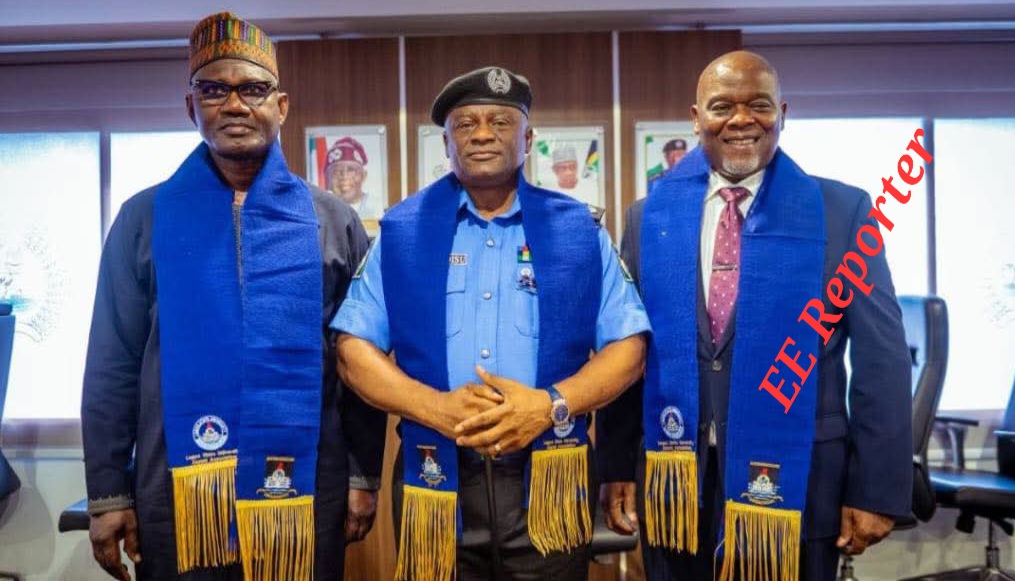
IGP Disu Receives (LASU) Alumni Association Delegation, Conferred With Emeritus Membership
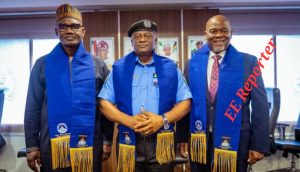
The Inspector-General of Police, IGP Olatunji Rilwan Disu, psc(+), NPM, today, Thursday, 22nd October 2026, received a delegation of the Lagos State University (LASU) Alumni Association led by its President, Mr Morisson Quakers, SAN, at the Force Headquarters, Abuja. During the visit, the Association conferred emeritus membership on the IGP in recognition of his achievements and contributions to public service.
Eereporter.com
Speaking on behalf of the delegation, the Association’s President commended the IGP’s leadership and commitment to people-centred policing, personnel welfare and inter-agency collaboration. He noted that the policy direction and priorities of his administration would shape the legacy of his tenure and assured him of the Association’s continued support.
The Chairman of the Association’s Board of Trustees, Mr Lekan Ogunbanwo, described the IGP as a worthy representative of the University and commended his accessibility and dedication to service.
In his remarks, the IGP expressed appreciation for the honour bestowed on him by the alumni and acknowledged the University’s contribution to his personal and professional development and the encouragement he had received from fellow alumni throughout his career.
Police
The IGP also highlighted ongoing efforts to strengthen professionalism and improve personnel welfare through institutional initiatives and partnerships. He called for greater public understanding and cooperation with police officers in the discharge of their duties, acknowledging the demands and sacrifices associated with policing.
The Inspector-General of Police thanked the Association for its goodwill and reaffirmed his commitment to sustaining ties with his alma mater while advancing the Force’s mandate to protect lives and property and serve the public.
CSP ANI INIEDU, anipr
Force Public Relations Officer
Force Headquarters, Abuja
22nd October, 2026
Eereporter.com
Nigerian Navy, NDLEA Recover Drugs in Joint Operations, Arrest 10 Suspects in Warri
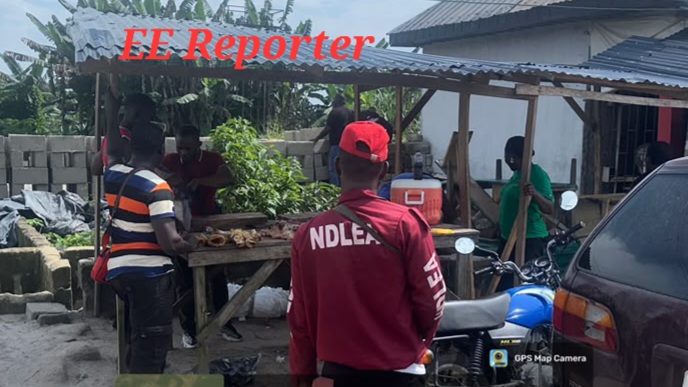
The Nigerian Navy, in collaboration with the National Drug Law Enforcement Agency (NDLEA), has arrested 10 suspects and recovered assorted substances suspected to be illicit drugs during a joint operation in the Warri general area of Delta State.
Eereporter.com
The operation, conducted by Nigerian Navy Ship (NNS) DELTA and NDLEA from 19 to 20 October 2026, targeted locations suspected of being used for the storage, sale and distribution of illicit drugs. Items recovered included five cards of tramadol, 20 litres of Monkey Tail, 20 kilogrammes of cannabis, 10 kilogrammes of Colorado and other related exhibits.
The suspects and recovered exhibits were handed over to the NDLEA Warri Area Command for further investigation and necessary legal action.

NDLEA
The operation reflects the Nigerian Navy’s contribution to tackling drug-related criminality through intelligence-led collaboration with relevant law enforcement agencies. The Navy will continue to support coordinated efforts to disrupt illicit drug distribution networks and strengthen security within its area of responsibility.
Signed AA FOLORUNSHO
Navy Captain
Director Naval Information.
Eereporter.com
Nigeria Customs, TMPL Test Cutting-Edge Cargo Scanners in China Ahead of Deployment
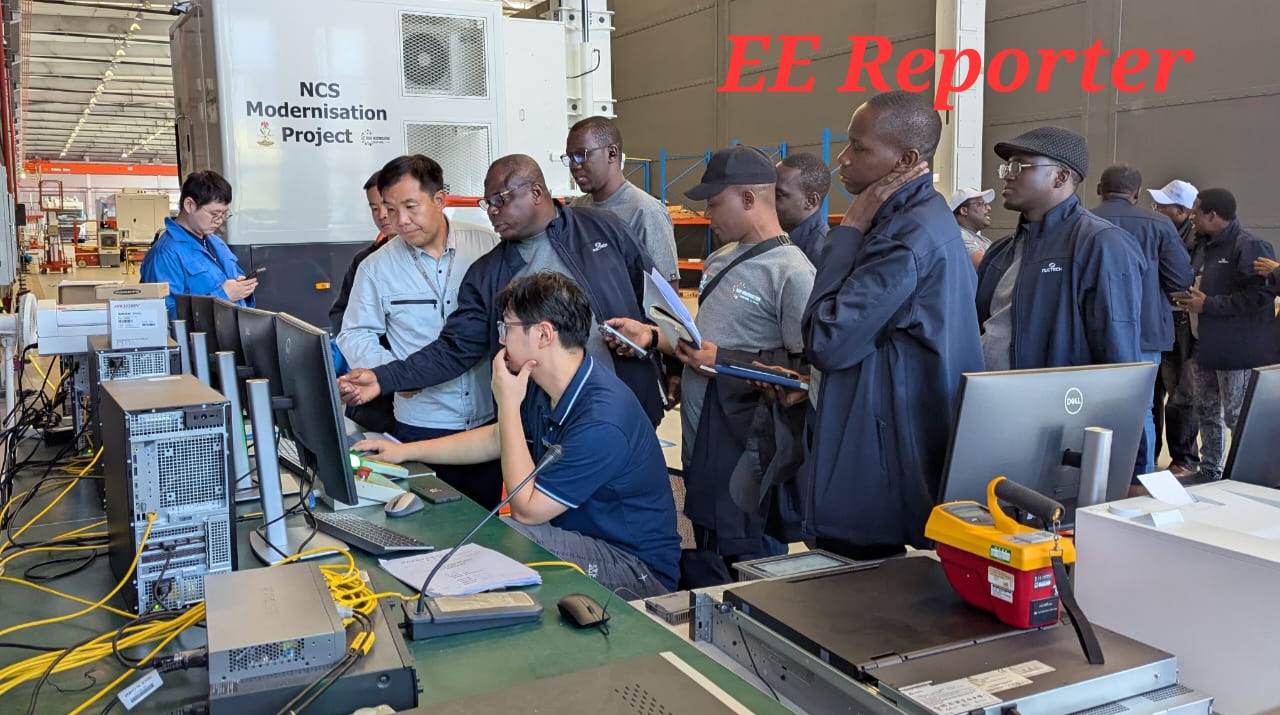
A high-powered delegation of experts from the Nigeria Customs Service (NCS) and Trade Modernisation Project Limited (TMPL) recently completed a Factory Acceptance Test (FAT) for the newly acquired Non-Intrusive Inspection (NII) equipment and Electronic Cargo Tracking System (ECTS) in China.
Eereporter.com
The two-week exercise, led by the Deputy Comptroller-General of Customs (DCG) in charge of the Information Communication and Technology/Modernisation Department, Oluyomi Adebakin, took place from 9 to 20 October 2026 at Nuctech Company Limited’s facility in China, the manufacturer of the advanced systems. The delegation conducted comprehensive technical verification of the high-tech scanners and the Electronic Cargo Tracking System, designed to work in synergy to enhance cargo examination and real-time monitoring from port to destination.
During the test, DCG Adebakin reaffirmed Comptroller-General of Customs Adewale Adeniyi’s commitment to using technology as a catalyst for trade facilitation, revenue optimisation, and national security. She said the FAT is a crucial quality-assurance process to ensure the scanners and tracking system meet contractual specifications and global operational standards before shipment to Nigeria.
“The Nigeria Customs Service, under the leadership of CGC Adeniyi, is committed to ensuring that we deploy only cutting-edge, fit-for-purpose technology that will fast-track cargo examination, reduce dwell time, and enhance our ability to detect concealments and prohibited items, improve revenue generation, as well as facilitate legitimate trade”, CG Adebakin said.
For his part, the Acting Comptroller, Non-Intrusive Inspection (NII), Deputy Comptroller of Customs Umar Madugu, noted that deploying the new scanners and ECTS will significantly reduce the need for 100% physical examination, minimise human contact, curb cargo diversion, and improve efficiency across Customs formations.
Speaking on behalf of Trade Modernisation Project Limited, the company’s General Manager, Bamidele Chinedu, described the FAT as a milestone in implementing the TMP, stressing that integrating NII scanners and the Electronic Cargo Tracking System is central to achieving a transparent, technology-driven Customs system.
TMPL
Also speaking, Niu Chao, Project Manager, Nuctech Company Limited, China, expressed the company’s commitment to delivering world-class equipment, technical support, capacity building, and after-sales services.
During the exercise, technical experts from both NCS and TMPL were also trained to handle, operate, and maintain the scanners and the ECTS to ensure seamless deployment and sustainability in Nigeria.
Eereporter.com
-
 Crime1 year ago
Kogi Assembly Considers Law To Regulate Rent, Establish Control Board: Tenancy Law
-

 News2 years ago
Atiku Reveals Why He Failed To Pick Wike As Running Mate In 2023
-

 Akwa Ibom2 years ago
The Apostolic Church Gets New Territorial Chairman, Exco
-

 Crime2 years ago
Federal High Court Jails 2 For Vandalizing Transformer, Telecom Mast In Kogi
-
 News2 years ago
The Apostolic Church Gets New National President, Executive
-
 Akwa Ibom2 years ago
Umo Eno Commences Payment Of 80,000 Naira Minimum Wage With Arrears
-

 News2 years ago
Senator Natasha Returns To Senate With Husband Amid Seat Dispute
-

 Economy1 year ago
Kiyosaki: Is Tinubu’s Government Afraid Of Ibrahim Traore?