
News
ADC Tells Tinubu: Kwara Mass Ki1lings Exposes Your Failure, “Government Approach Redistributing Terror”

ADC Tells Tinubu: Kwara Mass Ki1lings Exposes Your Failure, “Government Approach Redistributing Terror”
ADC Tells Tinubu: Kwara mass ki1lings exposes your failure, “Government approach redistributing terror”. The African Democratic Congress (ADC) has condemned the ki1ling of about 170 people in Kwara State, describing the attack as evidence of a total collapse of security under the Tinubu-led Federal Government.
In a statement signed by its National Publicity Secretary, Mallam Bolaji Abdullahi, the party questioned what had become of the President’s declaration of a state of emergency on security and the promised recruitment of thousands of police officers, noting that the continued mass ki1lings suggest those measures were either ineffective or were mere declarations in the first place.
The party also wondered whether the heightened security activities seen last year in the aftermath of the comments by the U.S. President was mere posturing to earn international approval rather than genuine efforts to end insecurity in the country.
According to the ADC, the scale and frequency of ki1lings across the country since then has shown that whatever measures the government has taken since then is not working, indicating that government approach is merely redistributing terror rather than eliminating it.
The full statement read:
The African Democratic Congress (ADC) condemns in the strongest possible terms the recent gruesome ki1ling of about 170 innocent Nigerians in Kaiama Local Government Area of Kwara State.
This horrific massacre is one of the worst atrocities recorded in recent times and stands as a painful reminder of the complete collapse of security across the country. We extend our deepest condolences to the families of the victims and to the people of Kwara State, who have once again been abandoned to mourn their dead in a nation that appears incapable of protecting its citizens.
As many analysts have noted, what makes this tragedy even more troubling are growing concerns that the perpetrators may be part of terrorist elements recently dispersed by the United States Christmas-Day military action in Sokoto State, who are now relocating to other states due to weak internal security coordination.
The net summary of this, which has now become self-evident from this industrial scale ki1lings in areas hitherto considered safe, is that the Tinubu administration, whatever it is doing, is not winning the war against terror, it is merely redistributing it.
Whether it is the mass abductions in Kaduna or the mass ki1lings in Kwara, both highlights the deep structural failures of Nigeria’s nternal security system in terms of intelligence gathering, border control, inter-agency collaboration, and emergency response capability.
Nigerians are therefore compelled to ask serious questions. What happened to the President’s much-publicised declaration of a state of emergency on security announced in November 2025? Was it a sincere commitment to restoring safety, or was it merely a rhetorical response to rising international and home-grown public anger?
The ADC also recalls that the Presidency announced a major recruitment drive into the Nigeria Police Force as part of this emergency response. Tens of thousands of new personnel were reportedly approved for recruitment to strengthen internal security nationwide. Nigerians are entitled to know what has become of that promise.
Have these recruits been employed, trained, and deployed, or has the exercise quietly stalled? If such measures were genuinely implemented, vulnerable rural communities like those in Kwara State should not be left completely exposed to mass slaughter.
We are equally disturbed by the pattern of performative security responses witnessed last year, when Nigeria suddenly projected an image of firmness following public comments and tweets by the President of the United States drawing attention to insecurity in the country. That brief display of urgency has since faded, raising legitimate concerns that the initial response was more about impressing foreign observers than about securing the lives of Nigerians.
ADC, Tinubu
The painful truth is that Nigeria’s security crisis has clearly moved beyond the competence and capacity of the Tinubu-led Federal Government. Across the country, ki1lings have become routine, accountability has disappeared, and government response has been reduced to condolences and condemnations in the aftermath of each tragedy, conveniently forgetting that a government that cannot safeguard the lives of its people has failed in its most fundamental duty.
The African Democratic Congress therefore calls on the Federal Government to immediately come clean with Nigerians on the true state of Nigeria’s national security, to account for the security recruitment it announced, and to explain how it intends to stop the spread and relocation of terrorist groups across states.
Nigeria cannot continue on this path of denial and inaction. Lives are not statistics, and governance is not public relations.
The ADC stands firmly with Nigerians in demanding competent leadership, honest governance, and a security strategy that protects lives rather than reacts after mass graves have been dug.






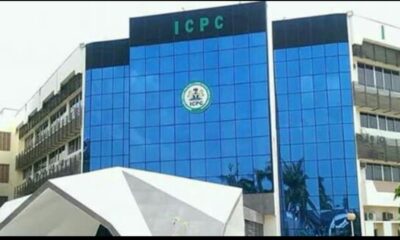


ICPC Tasks Media On Shaping Public Perception, Driving Momentum In AML/CFT Fight
Public Perception. The Chairman of the Independent Corrupt Practices and Other Related Offences Commission (ICPC), Dr. Musa Adamu Aliyu, SAN, has emphasised the critical role of the media in combating money laundering and terrorist financing, describing it as an indispensable partner in safeguarding Nigeria’s economic integrity and democratic institutions.
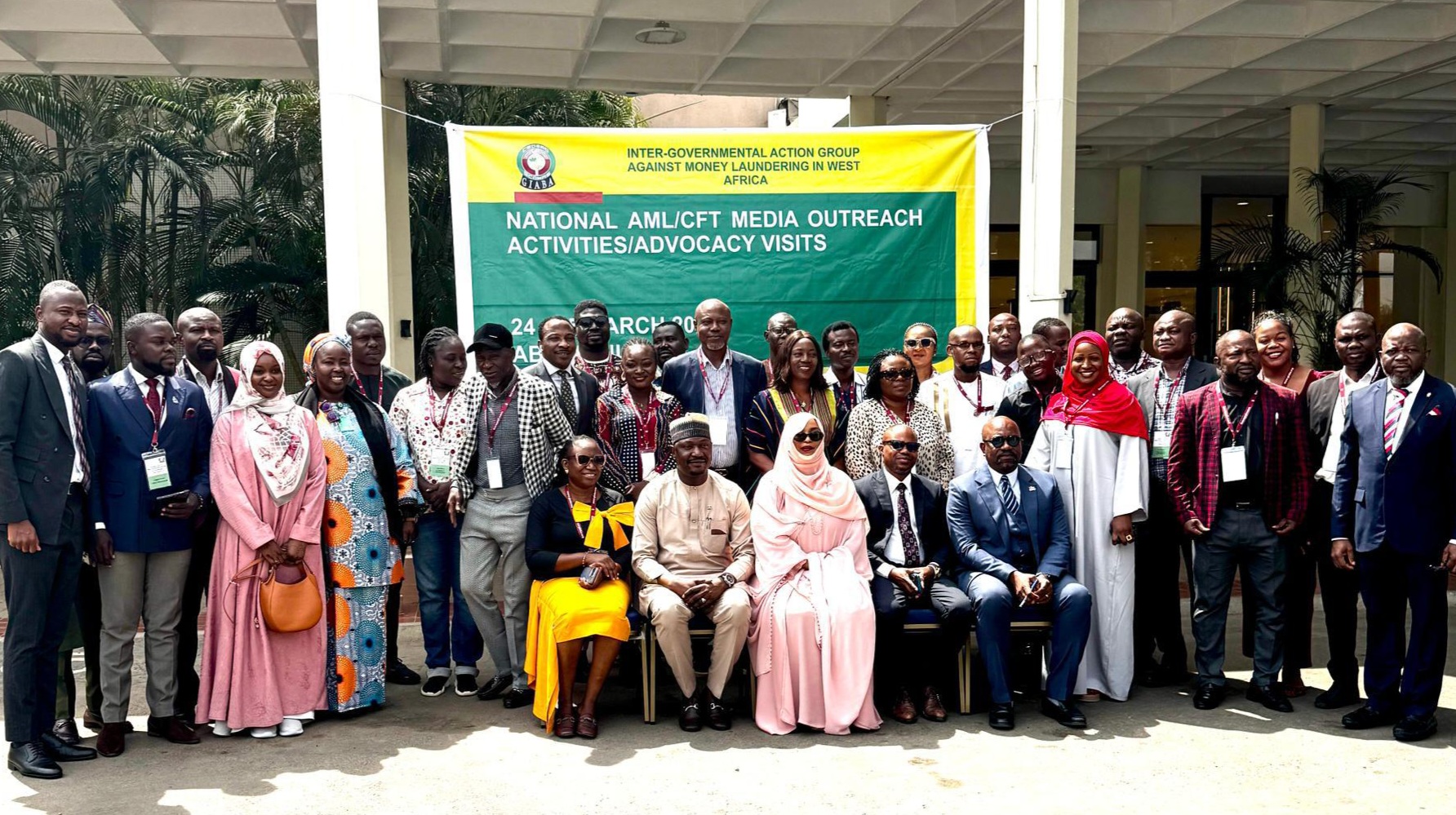
The ICPC Chairman made this known at the National Anti-Money Laundering/Countering the Financing of Terrorism (AML/CFT) Media Outreach organised by the Nigerian Financial Intelligence Unit (NFIU) in collaboration with the Intergovernmental Action Group Against Money Laundering in West Africa (GIABA), held in Abuja.
His remarks were delivered by the Head of Media and Public Communications, Mr. J. Okor Odey, anipr.
Dr. Aliyu noted that money laundering and terrorist financing remain among the most destabilising threats to national security and economic stability, stressing that their far-reaching consequences erode public trust, distort markets and deprive citizens of resources meant for development.
He observed that the evolving nature of financial crimes, driven by advancements in digital technology, social media and artificial intelligence, has made detection more complex, as criminal networks increasingly exploit anonymity and speed to move illicit funds across borders.
The ICPC Chairman, however, commended the NFIU for deploying advanced analytics and real-time transaction monitoring systems, noting that such technology-driven approaches are essential to staying ahead of financial criminals.
“The media must go beyond information dissemination to intentionally promote anti-corruption ideals and financial integrity. Investigative journalism, public interest programming and responsible reporting are vital tools for exposing illicit financial flows and deterring wrongdoing,” he said.
He further highlighted that corruption and money laundering are deeply interconnected, requiring a whole-of-society approach in which the media serves as an active and strategic partner.
Also speaking, the Chief Executive Officer of the Nigerian Financial Intelligence Unit (NFIU), Hajia Hafsat Abubakar Bakari, underscored the shared responsibility between journalists and financial intelligence institutions in serving the public interest.
She noted that beyond information sharing, both professions are united by a common goal of uncovering hidden financial networks and ensuring transparency.
“Journalists turn the light of truth on critical issues, while we trace financial flows to ensure that illicit networks do not operate in the shadows. This partnership is essential in strengthening accountability and responsible governance,” she said.
Similarly, the Director-General of GIABA, Mr. Edwin W. Harris Jr. who spoke through Mr. Timothy Melaye, emphasised that the media remains a vital stakeholder in the regional fight against money laundering and terrorist financing.
He noted that GIABA, as a specialised institution of ECOWAS, is mandated to promote compliance with international AML/CFT standards, including the Financial Action Task Force (FATF) recommendations, while taking into account regional peculiarities.
“The fight against financial crimes cannot succeed without the media. Journalists must enhance their understanding of AML/CFT issues and communicate them using accurate and accessible language to the public,” he said.
He added that the initiative would foster a regional network of journalists dedicated to reporting economic and financial crimes, thereby strengthening information dissemination and public awareness.
In the same vein, the Minister of Information and National Orientation, Alhaji Mohammed Idris, represented by Dr. Dili Ezughah, Executive Secretary, Nigeria Press Council, reaffirmed the Federal Government’s commitment to tackling corruption and financial crimes, noting the central role of the media in shaping national discourse.
“The media is not just a bystander but a powerful force in shaping national discourse and educating citizens on the dangers of money laundering and terrorist financing,” he said.
He noted that Nigeria has strengthened its financial architecture through improved monitoring systems, enhanced inter-agency collaboration and strategic partnerships aimed at tackling both domestic and transnational financial crimes.
While acknowledging the challenges faced by the media, including the technical complexity of AML/CFT reporting as well as safety and ethical concerns, he called for sustained collaboration between government and media organisations, alongside continuous training and capacity building.
Also, the Attorney-General of the Federation and Minister of Justice, Prince Lateef Olasunkanmi Fagbemi, SAN, represented by Mr. Olubunmi Ikupolati, highlighted the strategic role of the media in safeguarding national security and promoting economic stability.
“The Federal Government remains resolute in strengthening AML/CFT frameworks through enhanced intelligence-sharing, inter-agency collaboration and institutional support,” he said.
ICPC Tasks Media
He emphasised that beyond legal frameworks, public awareness remains critical in tackling financial crimes, noting that a well-informed citizenry is better equipped to identify and report suspicious activities.
The outreach programme brought together media professionals, regulators and key stakeholders, providing a platform to strengthen collaboration, enhance capacity and deepen public understanding of AML/CFT issues in Nigeria.
Participants expressed optimism that the engagement would serve as a catalyst for more impactful reporting and a stronger, united front in the fight against financial crimes.
Signed
J. Okor Odey, Anipr
Spokesperson for the Commission
International
NAF Deepen Global Training Partnerships As CAS Leads Strategic Visit To Canadian Aviation Institutions
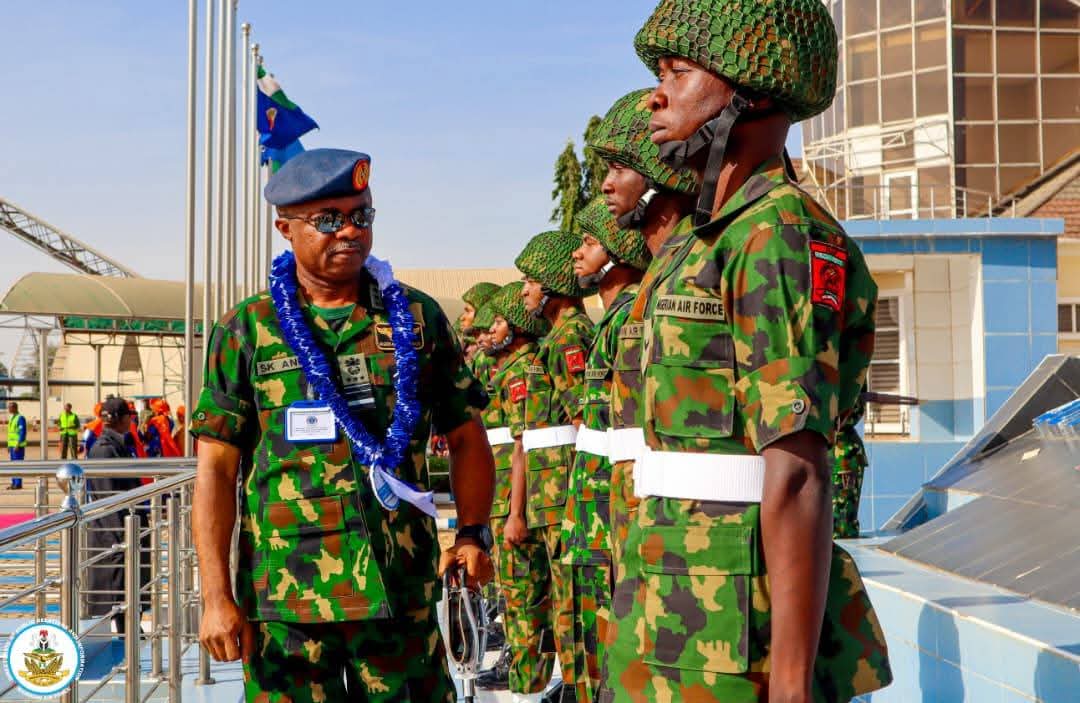
NAF Deepen Global Training Partnerships As CAS Leads Strategic Visit To Canadian Aviation Institutions
Aviation Institutions. The Chief of the Air Staff (CAS), Air Marshal Sunday Kelvin Aneke, led a Nigerian Air Force (NAF) delegation on a strategic facility visit to the International Test Pilots School and the International Tactical Training Centre in London, Ontario, Canada, in a decisive move to advance the Service’s operational capability development agenda. The visit underscored the NAF’s commitment to deepening international defence cooperation and adopting global best practices to enhance mission effectiveness.
Key areas of engagement included fighter lead-in training, helicopter tactical training, Unmanned Aerial Systems (UAS) operator development, technical training support, as well as flight test training and collaborative research initiatives.
During the engagements, Air Marshal Aneke emphasised the importance of building enduring partnerships that would accelerate the professional growth of NAF personnel and improve the Service’s technological edge. He noted that “the Nigerian Air Force remains resolute in its pursuit of operational excellence through strategic collaboration with globally recognised training institutions. This visit reflects our deliberate effort to strengthen capacity development, enhance airpower effectiveness, and ensure the sustained modernisation of our platforms and human capital.”
The discussions also explored collaborative opportunities in the overhaul and upgrade of NAF aircraft, alongside the development of advanced flight simulator systems tailored to the Service’s evolving operational requirements.
NAF
In response, the host institutions commended the Nigerian Air Force for its proactive approach to capability enhancement and expressed readiness to support the Service’s transformation drive. Representatives highlighted the value of structured cooperation in specialised aviation training and technological integration, noting that such partnerships would foster mutual growth and knowledge exchange.
The visit further reinforced the NAF’s strategic vision under Air Marshal Aneke’s leadership to build a technologically driven, highly professional, and globally connected air force capable of meeting contemporary security challenges.

FG Inaugurates PenCom Board, Tasks Members On Protection Of Pension Assets
The Federal Government has inaugurated the Board of the National Pension Commission, reinforcing its commitment to transparency, accountability, and the protection of over ₦28 trillion in pension assets.
Speaking at the ceremony, the SGF, Senator (Dr.) George Akume, charged members to uphold strong corporate governance while maintaining a clear boundary between oversight and management.

PenCom
The Board, led by Chairman Agbaje Opeyemi Olukayode, pledged to safeguard contributors’ funds and support national development, while the Director-General Omolola Oloworaran reaffirmed commitment to collaboration in delivering secure and timely retirement benefits for Nigerians.
-
 Crime11 months ago
Kogi Assembly Considers Law To Regulate Rent, Establish Control Board: Tenancy Law
-

 News12 months ago
Atiku Reveals Why He Failed To Pick Wike As Running Mate In 2023
-
 Akwa Ibom1 year ago
The Apostolic Church Gets New Territorial Chairman, Exco
-

 Crime1 year ago
Federal High Court Jails 2 For Vandalizing Transformer, Telecom Mast In Kogi
-
 News1 year ago
The Apostolic Church Gets New National President, Executive
-
 Akwa Ibom1 year ago
Umo Eno Commences Payment Of 80,000 Naira Minimum Wage With Arrears
-

 News1 year ago
Senator Natasha Returns To Senate With Husband Amid Seat Dispute
-

 Economy10 months ago
Kiyosaki: Is Tinubu’s Government Afraid Of Ibrahim Traore?