
News
EFCC Boss Olukoyede Calls For All-inclusive Efforts In AML/CFT Framework Implementation

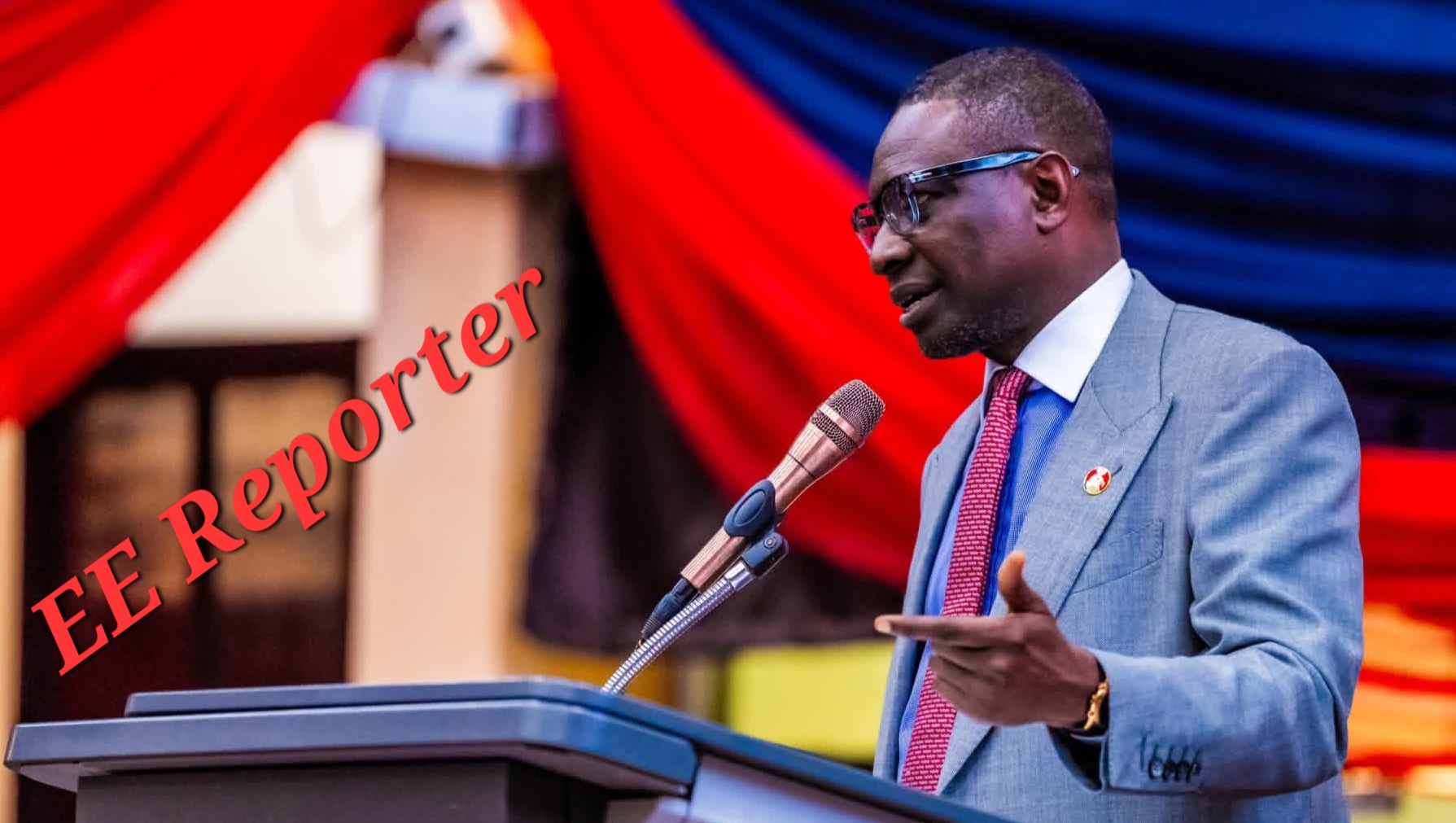
EFCC Boss Olukoyede Calls For All-inclusive Efforts In AML/CFT Framework Implementation
The Executive Chairman of the Economic and Financial Crimes Commission, EFCC, Ola Olukoyede, has called for all-inclusive efforts in the implementation of the Anti-Money Laundering and Counter-Terrorist Financing, AML/CFT framework, noting that it is the only way to defeat the twin scourges of money laundering and terrorism financing in Nigeria and beyond.
Eereporter.com
He made the observation in Abuja, at the opening ceremony of the Third African High Level Civil Society Anti-Money Laundering and Counter-Terrorist Financing AML/CFT, Conference 2026, at the Abuja Continental Hotel.
According to him, responding effectively to the threats posed by terrorism and money laundering requires not only robust legal and institutional frameworks but strong partnerships, built on trust, dialogue, and shared responsibility.
Olukoyede, who was represented by the Director, Special Control Unit against Money Laundering, SCUML, Deputy Commander of the EFCC, DCE Harry Erin, appreciated the participants from across the African Continent in the four day event, which runs from July 14–17 for their “unwavering commitment to transparency, accountability, humanitarian service, and contribution to sustainable development, growth and stability of Nigeria.”
He thanked representatives of African governments, Financial Intelligence Units, law enforcement agencies, regulatory authorities, civil society organizations, the non-profit sector, development partners, academia, and the private sector for their tireless efforts in working together to rid Africa of terrorism financing.
Speaking on the theme of this year’s conference, “Implementing FATF Recommendation Correctly: Practices, Lessons Learned and Opportunities for Reform,” he noted that the world continues to confront evolving threats from terrorist financing, violent extremism, transnational organized crimes, and illicit financial flows.
“These threats undermine peace, weaken democratic institutions, discourage investment, and divert scarce resources away from development priorities,” he said.
He clarified that the Financial Action Task Force Recommendation Eight, R8, was not about regulating or restricting all non-profit organizations, but a call on countries to identify the set of organizations that may be vulnerable to terrorist financing and to apply focused, proportionate and risk-based measures.
“Equally important, countries are expected to protect legitimate charitable and humanitarian activities from unnecessary disruption. This balanced approach is especially significant for Africa. Civil society organizations remain indispensable partners in delivering humanitarian assistance, promoting education, improving healthcare, supporting internally displaced persons, empowering women and young people, and responding to conflicts and natural disasters. They are not merely stakeholders in our AML/CFT framework; they are partners in safeguarding peace, resilience, and sustainable development,” he said.
According to the EFCC boss, Nigeria’s experience with R8 was best achieved through collaboration rather than confrontation.
“In recent years, Nigeria has undertaken far-reaching reforms to strengthen its AML/CFT framework, guided by the principles of partnership, evidence-based policymaking, and continuous stakeholder engagement”, he said, revealing that Nigeria successfully conducted a comprehensive National Terrorist Financing Risk Assessment of the Non-Profit Sector, which he disclosed was through teamwork and collaboration of inter-agency framework involving EFCC’s SCUML, the Nigerian Financial Intelligence Unit, NFIU, the Office of the National Security Adviser, ONSA, the Corporate Affairs Commission, CAC, other relevant government institutions and civil society organizations.
He stated that the assessment enabled Nigeria to move beyond broad assumptions to a more targeted understanding of terrorist financing vulnerabilities and that it strengthened Nigerian’ ability to identify organizations genuinely at risk of abuse, while ensuring that the overwhelming majority of legitimate non-profit organizations can continue their vital work without unnecessary regulatory burdens.
According to him, the experience reinforced an important lesson of effective implementation of FATF R8 which he said depends on trust. “Trust between regulators and civil society. Trust between governments and development partners. Trust built through transparency, consultation, information sharing, and mutual respect,” he said.
Speaking further, he explained that as Africa prepares for a new cycle of Mutual Evaluations, “we have an opportunity to learn from one another. This conference provides an important platform to exchange practical experiences, identify implementation challenges, showcase successful reforms, and strengthen regional cooperation. The lessons we share here can help shape more effective, context-specific approaches that reflect Africa’s realities while remaining fully aligned with international standards,” he said.
He pledged the commitment of the Commission in working with all stakeholders to strengthen Nigeria’s AML/CFT regime and to support continental efforts aimed at protecting the integrity of the financial system while preserving the legitimate role of civil society.
In her welcome address, the Executive Director, Spaces for Change|S4C West Africa, Victoria Ibezim-Ohaeri, noted that July 15, 2026, marked the 10th year anniversary of AML/CFT advocacy in Nigeria, noting that advancing R8 has been a rough ride.
“When we started engaging this issue, regarding implementing R8 correctly, ensuring that counter-measures do not hamper charitable operations, the debates were hard, tough and difficult, with governments and NPOs being very defensive. Our initial report, “Unpacking the Official Construction of Risks and Vulnerabilities for the Third Sector in Nigeria’ received a lot of pushback.”
She praised the EFCC for the first ever dialogue between NPOs and the AML/CFT security architecture in Nigeria, organised in April 2019 adding that traditional CSO-NPO dialogues have been sustained till date.
According to her, Spaces for Change has successfully worked with four SCUML directors over the years, whom she said made it possible for moving together from diagnosis to action and to the consolidation of progress made.
The Chairman, Board of Trustee, Spaces for Change, Samuel Diminas in his remarks disclosed that Africa is being drained by illicit financial flows to the tune of over $88 billion, annually. This, according to him, is despite the efforts of stakeholders in the last 10 years in strengthening AML/CFT frameworks. “These are not abstract numbers. They represent schools that remain unbuilt, hospitals left unequipped, and opportunities denied to millions,” he said.
He commended EFCC’s SCUML, and other stakeholders for their support and unflinching collaboration, noting that, “When government and civil societies converge under one roof, we send one clear message: tackling illicit finance in Africa demands collective action.”

Ola Olukoyede
He expressed confidence in collaborative efforts at tackling terrorist financing and money laundering, stating that it’s only through joint effort that far-reaching results can be achieved.
“So, our task this week is twofold: to strengthen the integrity of our financial systems and to safeguard the civic space that holds those systems accountable. A strong civil society is Africa’s early warning system against abuse of power, corruption, and illicit finance,” he said.
Diminas assured that in the four days event, stakeholders are going to move from diagnosis to action. “We will share practical solutions that help governments, regulators, law enforcement agencies, the private sector, especially financial institutions, as well as non-profits to comply with FATF Recommendation 8.
We will build trust between regulators, financial institutions, and civil society,” adding that compliance works best when it is collaborative, not adversarial.
Eereporter.com











University of Uyo Seeks Anti-Corruption Alliance With ICPC
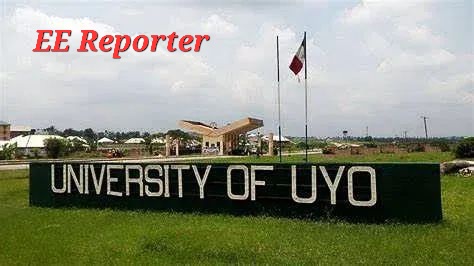
In a decisive move to fortify ethical governance within academic circles, the management of the University of Uyo paid a high-level courtesy visit to the Akwa Ibom State Office of the Independent Corrupt Practices and Other Related Offences Commission (ICPC), signaling a renewed institutional resolve to combat corruption from the ground up.
Eereporter.com
Leading the delegation, the Vice Chancellor, Professor Christopher N. Ekong, accompanied by key members of his team, formally called on the Resident Anti-Corruption Commissioner (RACC) for Akwa Ibom and Cross River States, Mr. Baba Alaro Shuaib to support the University Anti-Corruption efforts.
During the engagement, Professor Ekong articulated the University’s unwavering commitment to fostering a culture of transparency, probity, and accountability across all levels of the institution.
He underscored the visit as a strategic step to deepen collaborative ties with the Commission, while specifically soliciting technical support for comprehensive sensitisation programmes aimed at both students and staff.
“We are here to build a robust partnership that will insulate our community from the scourge of corrupt practices. The University of Uyo stands ready to be a beacon of integrity, and we believe the ICPC is an indispensable ally in that mission,” Professor Ekong stated.
In his response, Mr. Shuaib lauded the Vice Chancellor’s proactive leadership, describing tertiary institutions as pivotal gatekeepers in the national anti-graft crusade.
He assured the delegation of the Commission’s full backing, emphasising that educational environments are fertile grounds for cultivating long-term ethical reform.
Also in attendance were the Commission’s Second-in-Command, Mr. Ebenezer Olamiku, alongside other senior ICPC officers. The University’s Deputy Vice Chancellor, Professor Iniobong Uko, delivered the vote of thanks, expressing gratitude for the warm reception and the Commission’s evident enthusiasm for the proposed partnership.

UniUyo
The meeting, which comprised twelve participants in total, concluded with both parties agreeing to map out a structured framework for joint anti-corruption initiatives, including workshops, policy reviews, and student outreach programmes.
This developing alliance marks a significant milestone in the University of Uyo’s administrative ethos, reinforcing its dedication to producing not only academically excellent graduates but also morally upright citizens.
Eereporter.com
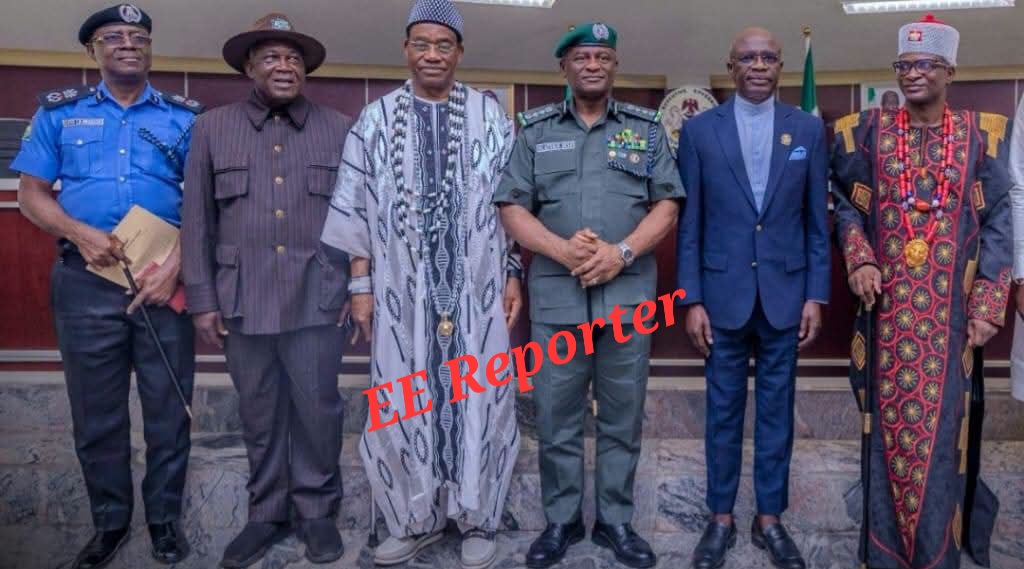
IGP Disu Holds Strategic Meeting With Benue Stakeholders, Pledges Intensified Security
As part of his efforts to strengthen regional stability, the Inspector-General of Police, IGP Olatunji Riliwan Disu, psc (+), NPM, paid an official working visit to the Executive Governor of Benue State, His Excellency, Rev. Fr. Dr. Hyacinth Iormem Alia, culminating in a high-level strategic engagement at the State Government Banquet Hall in Makurdi.
Eereporter.com
The meeting brought together key security stakeholders, including traditional rulers, religious leaders, youths and women representatives, and members of various Farmers Associations, to address the state’s most pressing security challenges, with a primary focus on resolving the longstanding farmer-herder conflict.
Addressing the assembly, IGP Disu expressed grave concern over the widespread proliferation of sophisticated firearms, identifying it as the underlying driver of recurring violence across local communities. He commended Governor Alia and community leadership for their proactive support, emphasizing that local cooperation remains indispensable to achieving lasting peace. Urging residents, particularly the youths, to report suspicious activities promptly, the IGP promised robust, intelligence-driven policing backed by absolute confidentiality for all informants. He further called for seamless collaboration among conventional security agencies and local security outfits, reiterating that maintaining law and order is a collective responsibility.
In response, Governor Hyacinth Alia expressed deep gratitude to IGP Disu for conducting a direct operational assessment of the state, describing the visit as a clear demonstration of the Nigeria Police Force’s dedication under his leadership. Reaffirming his administration’s commitment to supporting security agencies, Governor Alia stressed that his overarching goal is to guarantee a safe environment where every citizen can live, work, and farm without fear. He further commended the Commissioner of Police, Benue State Command, CP Cletus C. Nwadiogbu, for his decisive efforts to tackle crime and foster stronger police-community relations.

Benue
The Nigeria Police Force remains steadfast in its dedication to safeguarding communities across the nation while upholding the highest standards of professionalism and public trust.
CSP ANIETIE OKOKON EDEM INIEDU
Force Public Relations Officer,
Force Headquarters, Abuja.
24th July, 2026.
News
NAF Reinforce Joint Warfighting Capability With Special Forces Training For Nigerian Army Personnel

NAF Reinforce Joint Warfighting Capability With Special Forces Training For Nigerian Army Personnel
The Nigerian Air Force (NAF), through the Regiment Training Centre Annex (RTCA), Bauchi, has commenced the screening of prospective participants for Special Forces training drawn from the Nigerian Army.
Eereporter.com
The exercise comprises comprehensive medical examinations and rigorous physical fitness assessments aimed at evaluating the personnel’s medical suitability, physical endurance and overall readiness for the demanding training programme. The screening marks the first critical step in preparing highly capable operators for complex and high-risk operational environments.
The exercise underscores the NAF’s unwavering commitment to reinforcing joint warfighting capability through professional military training and sustained inter-service collaboration.
By providing specialised training opportunities for personnel of sister services, the NAF continues to enhance interoperability, deepen mutual understanding and build a more integrated and mission-ready Armed Forces capable of delivering coordinated effects across the joint battlespace. The initiative reflects the Service’s strategic focus on strengthening operational readiness in support of national security objectives.
Speaking during the exercise, the Commandant of RTCA Bauchi, Squadron Leader Lawrence Akpan, described the screening as a critical phase in producing competent and mission-ready Special Forces operators.
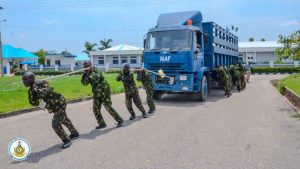
Nigerian Army
He noted that Special Forces personnel play a pivotal role in counter-terrorism and other high-risk operations, where specialised skills in special reconnaissance, direct action, precision strikes and operating in austere environments are essential to mission success. He added that the programme exemplifies the synergy and jointness that underpin the Armed Forces of Nigeria, reflecting the NAF’s enduring commitment to training excellence and stronger inter-service cooperation.
The initiative reaffirms the Nigerian Air Force’s commitment to building a highly professional, interoperable and mission-ready Armed Forces capable of safeguarding Nigeria’s sovereignty and protecting the lives and property of all Nigerians.
Eereporter.com
-

 Crime1 year ago
Kogi Assembly Considers Law To Regulate Rent, Establish Control Board: Tenancy Law
-

 News1 year ago
Atiku Reveals Why He Failed To Pick Wike As Running Mate In 2023
-

 Akwa Ibom2 years ago
The Apostolic Church Gets New Territorial Chairman, Exco
-

 Crime1 year ago
Federal High Court Jails 2 For Vandalizing Transformer, Telecom Mast In Kogi
-

 News1 year ago
The Apostolic Church Gets New National President, Executive
-

 Akwa Ibom2 years ago
Umo Eno Commences Payment Of 80,000 Naira Minimum Wage With Arrears
-

 News1 year ago
Senator Natasha Returns To Senate With Husband Amid Seat Dispute
-

 Economy1 year ago
Kiyosaki: Is Tinubu’s Government Afraid Of Ibrahim Traore?