
Economy
African Energy Sovereignty: NNPC Ltd. Participated In #CERAWeek

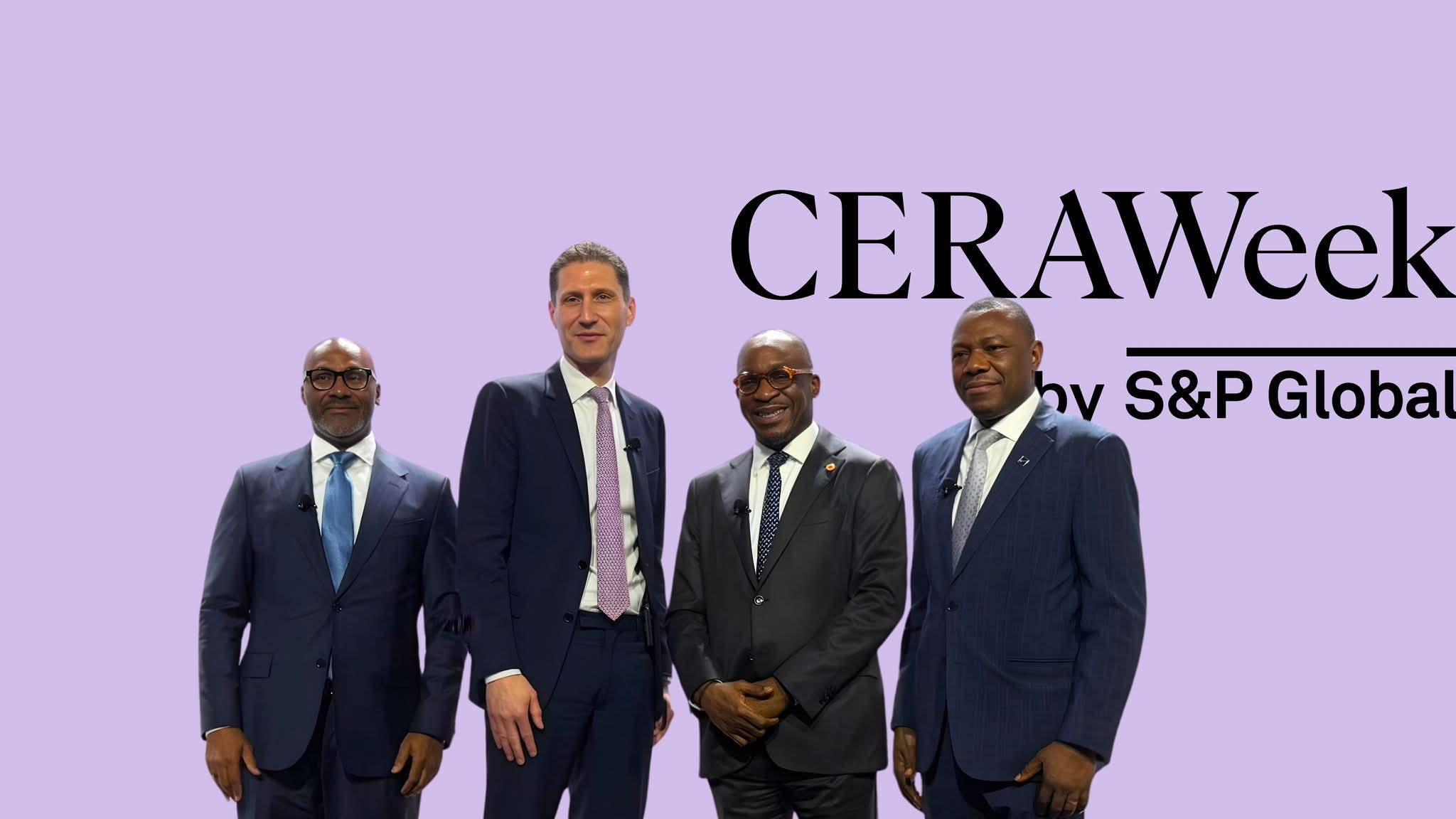
African Energy Sovereignty: NNPC Ltd. Participated In #CERAWeek
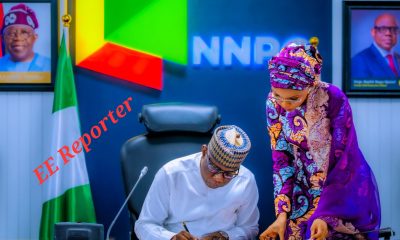
NNPC Ltd. participated in #CERAWeek by S&P Global in Houston on Wednesday as Olugbenga Oluwaniyi, Chief Finance/Investor Relations Officer, served as a panelist in the “African Energy Sovereignty: The ‘all-of-the-above’ strategy” session.
The discussion was moderated by Daniel Evans, Vice President, S&P Global, and also featured Bambo Ibidapo-Obe, General Manager, Commercial, Oando Energy Resources, and Alcides Andrade, Executive Board Member, ANPG Angola.
Oluwaniyi highlighted Nigeria’s approach to energy self-determination through control of resources and a balanced energy mix. He noted that Nigeria has proven gas reserves of 210 trillion cubic feet (tcf) of which 101 tcf is associated gas and 109 tcf is non-associated gas.
He stated that Nigeria is a gas country more than an oil-producing country and described it as a “gas-rich nation with some oil reserves.” He added that Nigeria believes in a just and fair energy transition where gas serves as the transition fuel, which will remain relevant far longer than crude oil.
With these strengths, Nigeria positions itself as a destination of choice for major investments.

African Energy Sovereignty
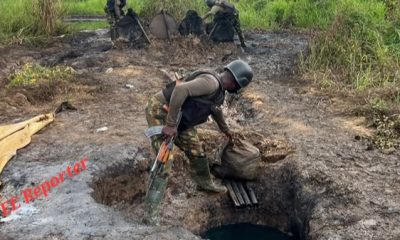
Oluwaniyi further emphasised the importance of bankable projects with clear value propositions, realistic financial projections and addressed risks such as pipeline vandalism, which is now tamed through diverse measures, including community engagement. He prioritised investment in gas infrastructure and development as a key area of the value chain for the foreseeable future.








Brazil Fines TikTok $30m Over Failure to Implement Child Safety
Brazil’s data protection agency on Tuesday fined TikTok nearly $30 million for failing to implement child safety measures in what it said was a “powerful signal” to social media companies.
Eereporter.com
Brazil has taken a tough stance on the regulation of social media platforms, cracking down on disinformation and requiring users under 16 years to have their accounts linked to those of their parents.
An enforcement director with the ANPD data protection agency, Fabricio Lopes, told a press conference that TikTok “was not taking the necessary measures to prevent adolescents from accessing the platform and from having the data of these children and adolescents processed.”
This data was “being used to offer advertising to adolescents.”
He said the fine of 153.7m reais ($29.9 million) was a “powerful signal to other platforms regarding how seriously the ANPD takes this work” and that the agency hoped they “get the message.”
TikTok agreed last week to pay $400m to settle a lawsuit with the US Department of Justice over claims that the video-sharing platform collected children’s personal data without parental permission.
– Tougher enforcement –
This month, the ANPD also ordered popular streaming platform Discord to suspend livestreams and video calls after a teenage girl was allegedly encouraged to take her own life during a broadcast.
The agency told AFP that an appeal filed by Discord on Monday against the suspension is under review.
ANPD director Lorena Coutinho said the agency had, last week, initiated proceedings to verify the compliance of 22 social media networks and platforms with a law passed this year to protect children and teens online.
In addition to the fine, the ANPD ordered TikTok parent company ByteDance to delete data collected in violation of regulations.
Coutinho said TikTok had committed to suspend all adverts for users who are not logged in.
TikTok has committed to “implementing a compliance plan to improve the protection of children and adolescents,” the ANPD said.

Brazil Fines TikTok
The platform will be required to automatically apply stricter privacy settings to accounts belonging to children under the age of 16, strengthen parental supervision systems, and implement stricter content filters.
TikTok did not immediately respond to requests for comment from AFP.
In 2024, the platform X was blocked for 40 days in Brazil, until the social media network owned by the world’s richest person, Elon Musk, complied with the Supreme Court’s orders to remove accounts spreading disinformation.
Eereporter.com
Economy
Umahi Leads the Way as Tinubu Orders Immediate Action on Benin-Agbor-Asaba Road Intervention

Umahi Leads the Way as Tinubu Orders Immediate Action on Benin-Agbor-Asaba Road Intervention
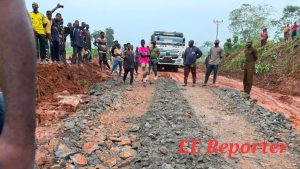
The Minister of Works, Senator Engr. David Umahi, CON, has moved swiftly to address the worsening condition of the Ifaki-Kabba-Ado Ekiti road in Ekiti and Kogi States, and Benin-Agbor-Asaba Roads following President Bola Ahmed Tinubu’s directive for urgent intervention to ease the hardship being faced by motorists and commuters.
Eereporter.com
Umahi, who expressed deep concern over the deplorable condition of the road and the suffering of road users who have spent hours and, in some cases, days on the route, said the Federal Government was determined to take immediate corrective measures while working towards permanent solutions.
“President Tinubu, GCFR, has directed the Federal Ministry of Works to urgently intervene and ensure that necessary corrective actions are taken to restore movement on the affected roads as quickly as possible.” Said Umahi
The Minister, in response to the directive, has already set machinery in motion for immediate action.
As part of the intervention, Umahi directed the Minister of State for Works to lead a team of ministry officials to the Ifaki-Kabba-Ado Ekiti axis to assess the situation and commence urgent remedial works.
The assignment is already on as of 10 a.m. on Tuesday, August 25, 2026, with officials of the Ministry on the ground to begin the intervention.
While the intervention team moved into Ekiti and Kogi States, Umahi himself headed to Benin, Edo State, alongside members of the National Assembly Works Committees, to initiate a similar coordinated intervention on the Benin-Agbor-Asaba road.
The Benin meeting is expected to bring together key stakeholders, including representatives of the Edo and Delta State Governments and the Niger Delta Development Commission (NDDC), with the aim of finding immediate solutions to the challenges confronting motorists on the strategic corridor.
Umahi also took responsibility for the unfortunate situation on the affected roads and apologised to commuters who have been stranded or delayed for several hours and days.
Benin-Agbor-Asaba
He assured road users that the Federal Government’s response would go beyond temporary relief, with immediate measures being pursued alongside permanent solutions to restore the affected roads and improve their long-term reliability.
Francis Nwaze
Senior Special Assistant to the Honourable Minister of Works (Media)
August 25, 2026
Eereporter.com
Economy
NNPC Cares: Boost for Nationwide Medical Access as NMSL Deploys Laparoscopic Instrument in Abuja

NNPC Cares: Boost for Nationwide Medical Access as NMSL Deploys Laparoscopic Instrument in Abuja
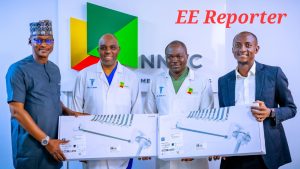
NNPC Medical Services Limited (NMSL) has deployed articulating laparoscopic instruments at its main hospital in Utako, Abuja. The machine is an advanced surgical equipment designed to enhance precision and flexibility during laparoscopic procedures.
Eereporter.com
The latest deployment widens the range of procedures available at the medical facility and represents a boost for healthcare access in the country.
NNPC
Acting Managing Director / Chief Operating Officer, NMSL, Dr. Dickson Bada, received the equipment from SQI Limited, represented by Dr. Emmanuel Otitoloju.
NNPC Limited continues to invest in its medical facilities, which are open to the public nationwide, towards improving healthcare delivery in Nigeria.
Eereporter.com
-
 Crime1 year ago
Kogi Assembly Considers Law To Regulate Rent, Establish Control Board: Tenancy Law
-

 News1 year ago
Atiku Reveals Why He Failed To Pick Wike As Running Mate In 2023
-
 Akwa Ibom2 years ago
The Apostolic Church Gets New Territorial Chairman, Exco
-

 Crime2 years ago
Federal High Court Jails 2 For Vandalizing Transformer, Telecom Mast In Kogi
-
 News2 years ago
The Apostolic Church Gets New National President, Executive
-
 Akwa Ibom2 years ago
Umo Eno Commences Payment Of 80,000 Naira Minimum Wage With Arrears
-

 News1 year ago
Senator Natasha Returns To Senate With Husband Amid Seat Dispute
-
 Economy1 year ago
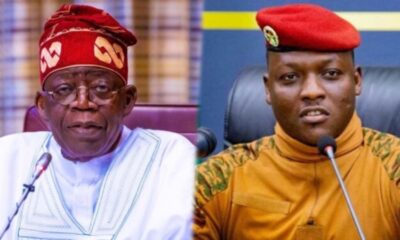
Kiyosaki: Is Tinubu’s Government Afraid Of Ibrahim Traore?