
Health care
Wrong Diagnosis, Prescriptions In Kaduna, Katsina, Kano Decry Rot In Nigeria’s Health Sector: Victims

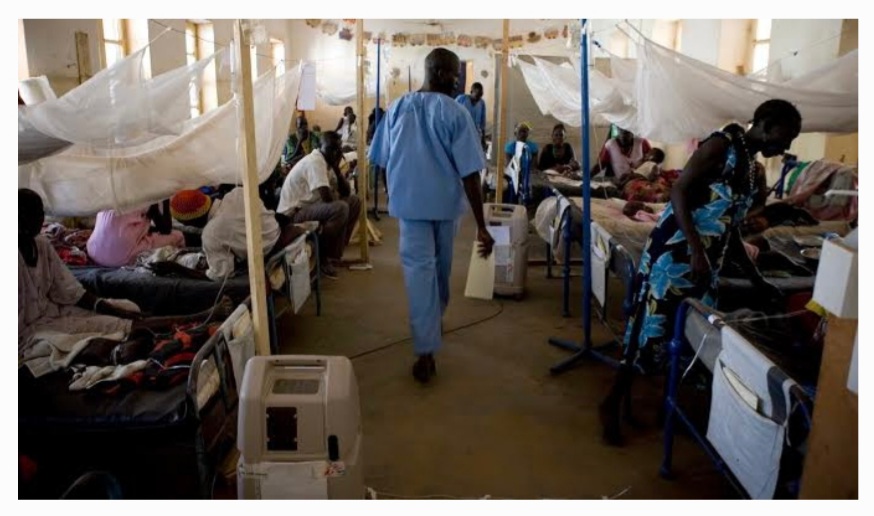
Wrong Diagnosis, Prescriptions In Kaduna, Katsina, Kano Decry Rot In Nigeria’s Health Sector: Victims
Wrong diagnosis, prescriptions in Kaduna, Katsina, Kano decry rot in Nigeria’s health sector: victims. Nigeria’s healthcare system is facing numerous challenges, including inadequate infrastructure, corruption, and a shortage of skilled healthcare professionals.
These issues have resulted in a decline in the quality of care, leading to poor health outcomes and a general distrust of the system.
It is imperative that urgent action is taken to address these challenges and restore the integrity of Nigeria’s healthcare system.
In Kaduna State, a cross-section of the residents decried that Nigeria’s healthcare system has been plagued by a myriad of challenges.
They include expired drugs, obsolete equipment, and negligence by medical personnel, leading to misdiagnosis and deaths.
They also listed other challenges to include inadequate funding, poor regulation, and inefficient supply chain management.
They said, “The healthcare sector is severely underfunded while it is lacking the needed human and material resources.”
A patient, David Kure, who claimed to have been wrongly diagnosed of HIV at a Kaduna hospital due to expired equipment, said he underwent three consecutive tests to confirm his status.
He said, “Health workers’ poor attitude is another major issue. Nurses in government hospitals are often rude and unprofessional, exacerbating the problems facing the healthcare system.
“The stakeholders must work together to improve funding, strengthen regulation, and promote accountability. A multifaceted approach is required to address the challenges facing the healthcare system. Medical personnel, pharmacists, and policymakers must collaborate to ensure access to quality healthcare services.”
According to Mr Kure, effective accountability mechanisms are needed to address negligence and misconduct.
He added, “The healthcare system’s challenges require a collective effort to resolve. Stakeholders must prioritise resource allocation, transparency, and accountability to improve healthcare services in Nigeria. Nigeria’s healthcare system is one of the weakest in Africa, with inadequate infrastructure, equipment, and personnel. This has led to a high mortality rate and low life expectancy.
“The country’s healthcare system is also plagued by corruption, with medical personnel and hospital administrators embezzling funds meant for healthcare services.”
According to MrbKure, patients often have to pay out-of-pocket for medical services, including surgeries and medications.
He said,” This has led to a high number of untreated illnesses and deaths. The lack of healthcare infrastructure in rural areas has also exacerbated the problems facing the healthcare system.
Many rural communities lack access to basic healthcare services. Healthcare workers in Nigeria are also poorly trained and equipped to handle complex medical cases. This has led to a high number of medical errors and misdiagnoses.”
Most of the respondents posited that the country’s healthcare system was also plagued by a shortage of medical personnel, including doctors, nurses, and pharmacists.
They said that this led to a high workload for existing healthcare workers.
“Nigeria’s healthcare system is also heavily reliant on donor funding, which is often unpredictable and unsustainable.
This has led to a lack of continuity in healthcare services. The country’s healthcare system is also plagued by a lack of data and research, which has hindered efforts to improve healthcare services.
“Efforts to reform the healthcare system have been slow and ineffective, with many stakeholders resisting change.
This has led to a lack of progress in improving healthcare services.
“The healthcare system’s challenges have also had a significant impact on the economy,”they added.
According ot them, many businesses and industries are affected by the lack of access to quality healthcare services.
They added, “The country’s healthcare system is also plagued by a lack of accountability, with many healthcare workers and hospital administrators not held accountable for their actions.
“Patients and their families often have to resort to seeking medical help abroad, which is often expensive and inaccessible to many Nigerians.
“The healthcare system’s challenges have also led to a brain drain, with many healthcare workers emigrating to other countries in search of better working conditions and opportunities.
“Efforts to address the healthcare system’s challenges must be sustained and supported by stakeholders, including the government, healthcare workers, and patients. “
In Katsina State, some victims of wrong diagnosis, tests results interpretation and prescription of drugs by some medical personnel in health facilities, urged the government to intensify efforts in addressing the problem.
They made the complaint during an interview in Katsina.
The victims said that the call became imperative in view of recurring rate of the problems in health facilities in the country.
According to them, such problems sometimes lead to the death of the victims, hence the need for both the federal and state governments to hasten measures to address the menace.
A victim, Haruna Umar, said that he was diagnosed as having a fluid between his stomach and chest that affects him seriously in one of the tertiary health hospitals in the state.
He said that he paid for the tests and the theatre.
“I was operated on only to discover that was not the real problem I am suffering from. Instead, they observed another problem in my stomach, they did another operation, same time.
“In fact, I suffered a lot as a result of that, many people never believed that I will survive, because I spent about two months in the hospital receiving treatment. My family also spent a lot of money. It is a bad and terrible experience. It was after a month, when I regained my conscious that the team leader who happens to be a consultant, informed me of what happened during the period. He apologised to me, and I forgave them,” he said.
He therefore urged the government to take urgent measures in tackling the problem.
Mr Umar also urged the government to make such facilities to pay some compensation to victims to serve as a deterrent and reduce the financial burden on the victim’s relatives.
Another victim, Lawal Abdullahi, said that he now he cannot walk with his two legs due to wrong surgery on his knees.
He said that the surgery was performed at a private health facility by a consultant orthopedic.
According to him, he spent huge amount of money, but the problem persisted.
He said that before the operation, he could manage to walk with his legs, but since the operation, he could not.
Instead, he said, he is now confined to a wheelchair.
“I was advised to travel to Egypt for another operation, which I did. They tried their best, but due to the initial problem created during the first operation, up to now things are not normal with the legs.
“As you can see me, I can walk little, my knee still has problem. I didn’t know what to do now because I am tired of the operation,” he lamented.
A patient, David Kure, who claimed to have been wrongly diagnosed of HIV at a Kaduna hospital due to expired equipment, said he underwent three consecutive tests to confirm his status.
Nigeria’s healthcare system is facing numerous challenges, including inadequate infrastructure, corruption, and a shortage of skilled healthcare professionals.
These issues have resulted in a decline in the quality of care, leading to poor health outcomes and a general distrust of the system.
It is imperative that urgent action is taken to address these challenges and restore the integrity of Nigeria’s healthcare system.
In Kaduna State, a cross-section of the residents decried that Nigeria’s healthcare system has been plagued by a myriad of challenges.
They include expired drugs, obsolete equipment, and negligence by medical personnel, leading to misdiagnosis and deaths.
They also listed other challenges to include inadequate funding, poor regulation, and inefficient supply chain management.
They said, “The healthcare sector is severely underfunded while it is lacking the needed human and material resources.”
A patient, David Kure, who claimed to have been wrongly diagnosed of HIV at a Kaduna hospital due to expired equipment, said he underwent three consecutive tests to confirm his status.
He said, “Health workers’ poor attitude is another major issue. Nurses in government hospitals are often rude and unprofessional, exacerbating the problems facing the healthcare system.
“The stakeholders must work together to improve funding, strengthen regulation, and promote accountability. A multifaceted approach is required to address the challenges facing the healthcare system. Medical personnel, pharmacists, and policymakers must collaborate to ensure access to quality healthcare services.”
According to Mr Kure, effective accountability mechanisms are needed to address negligence and misconduct.
He added, “The healthcare system’s challenges require a collective effort to resolve. Stakeholders must prioritise resource allocation, transparency, and accountability to improve healthcare services in Nigeria. Nigeria’s healthcare system is one of the weakest in Africa, with inadequate infrastructure, equipment, and personnel. This has led to a high mortality rate and low life expectancy.
“The country’s healthcare system is also plagued by corruption, with medical personnel and hospital administrators embezzling funds meant for healthcare services.”
According to MrbKure, patients often have to pay out-of-pocket for medical services, including surgeries and medications.
He said,” This has led to a high number of untreated illnesses and deaths. The lack of healthcare infrastructure in rural areas has also exacerbated the problems facing the healthcare system.
Victims, Health Sector
Many rural communities lack access to basic healthcare services. Healthcare workers in Nigeria are also poorly trained and equipped to handle complex medical cases. This has led to a high number of medical errors and misdiagnoses.”
Most of the respondents posited that the country’s healthcare system was also plagued by a shortage of medical personnel, including doctors, nurses, and pharmacists.
They said that this led to a high workload for existing healthcare workers.
“Nigeria’s healthcare system is also heavily reliant on donor funding, which is often unpredictable and unsustainable.
This has led to a lack of continuity in healthcare services. The country’s healthcare system is also plagued by a lack of data and research, which has hindered efforts to improve healthcare services.
“Efforts to reform the healthcare system have been slow and ineffective, with many stakeholders resisting change.
This has led to a lack of progress in improving healthcare services.
“The healthcare system’s challenges have also had a significant impact on the economy,”they added.
According ot them, many businesses and industries are affected by the lack of access to quality healthcare services.
They added, “The country’s healthcare system is also plagued by a lack of accountability, with many healthcare workers and hospital administrators not held accountable for their actions.
“Patients and their families often have to resort to seeking medical help abroad, which is often expensive and inaccessible to many Nigerians.
“The healthcare system’s challenges have also led to a brain drain, with many healthcare workers emigrating to other countries in search of better working conditions and opportunities.
“Efforts to address the healthcare system’s challenges must be sustained and supported by stakeholders, including the government, healthcare workers, and patients. “
In Katsina State, some victims of wrong diagnosis, tests results interpretation and prescription of drugs by some medical personnel in health facilities, urged the government to intensify efforts in addressing the problem.
They made the complaint during an interview in Katsina.
The victims said that the call became imperative in view of recurring rate of the problems in health facilities in the country.
According to them, such problems sometimes lead to the death of the victims, hence the need for both the federal and state governments to hasten measures to address the menace.
A victim, Haruna Umar, said that he was diagnosed as having a fluid between his stomach and chest that affects him seriously in one of the tertiary health hospitals in the state.
He said that he paid for the tests and the theatre.
“I was operated on only to discover that was not the real problem I am suffering from. Instead, they observed another problem in my stomach, they did another operation, same time.
“In fact, I suffered a lot as a result of that, many people never believed that I will survive, because I spent about two months in the hospital receiving treatment. My family also spent a lot of money.
It is a bad and terrible experience. It was after a month, when I regained my conscious that the team leader who happens to be a consultant, informed me of what happened during the period. He apologised to me, and I forgave them,” he said.
He therefore urged the government to take urgent measures in tackling the problem.
Mr Umar also urged the government to make such facilities to pay some compensation to victims to serve as a deterrent and reduce the financial burden on the victim’s relatives.
Another victim, Lawal Abdullahi, said that he now he cannot walk with his two legs due to wrong surgery on his knees.
He said that the surgery was performed at a private health facility by a consultant orthopedic.
According to him, he spent huge amount of money, but the problem persisted.
He said that before the operation, he could manage to walk with his legs, but since the operation, he could not.
Instead, he said, he is now confined to a wheelchair.
“I was advised to travel to Egypt for another operation, which I did. They tried their best, but due to the initial problem created during the first operation, up to now things are not normal with the legs.
“As you can see me, I can walk little, my knee still has problem. I didn’t know what to do now because I am tired of the operation,” he lamented.
Mr Abdullahi called on the government to intensify efforts in equipping healthcare facilities with modern machines for effective service delivery.
In his contribution, a health expert, Ibrahim Musa, advised both federal and state governments to focus attention in the area of training and retraining of health personnel.
He said that would assist greatly in addressing some of the problems reoccurring in the health facilities in the country.
He also advised the governments to sanction any facility guilty of wrongdoings.
In Kano State, some experts in the healthcare sector have called on the government to address the growing concerns of negligence undermining the quality of healthcare delivery in the state.
The experts, in separate interviews, said that various issues plague the system, including widespread use of obsolete medical equipment and the improper interpretation of diagnostic data.
They also lamented that some healthcare professionals were guilty of negligence and carelessness in attending to patients thereby exacerbating the crisis.
The experts argued that these lapses resulted in a decline in patient safety and public trust in the healthcare system.
An expert in community health, Dr Ghali Nura, emphasized the urgent need for reform and total overhaul of the sector.
“The health sector is at a critical juncture. If we do not act now to update our medical equipment, address the issue of expired drugs, and ensure the competency of healthcare personnel, we risk a major public health crisis,” he said.
Also, a public health analyst, Dr. Bashir Shaza, stressed the need for better oversight and stricter regulations.
“It is troubling to see that some medical institutions continue to operate outdated machines that cannot provide accurate test results. This not only affects diagnosis but can lead to wrong treatments, which are detrimental to patient outcomes,” he stated.
In his contribution, a public affairs commentator, Ali Muhammed, called on the governments to allocate more resources to the healthcare sector.
He also urged them to focus on the procurement of modern medical equipment, improved training for healthcare personnel, and stricter enforcement of regulations to prevent circulation of expired drugs.
Mr Muhammad also urged the government to improve transparency and accountability within healthcare institutions to restore public confidence.
A resident of Yankaba in the Nasarawa Local Government Area, Musa Isa, called for a more efficient and accessible healthcare system in the state.
He cited the growing concerns over long waiting times, limited medical facilities, and a lack of essential services particularly in rural areas.
Another resident of Zoo Road in the Tarauni Local Government Area, Aisha Inuwa, said that the state needed better healthcare facilities, more doctors, and more affordable services for everyone.
She said, “We need healthcare that is affordable and that will work for us, not just in theory, but in reality.”
The Kano State Government allocated N90.6billion for the health sector in the 2025 budget.








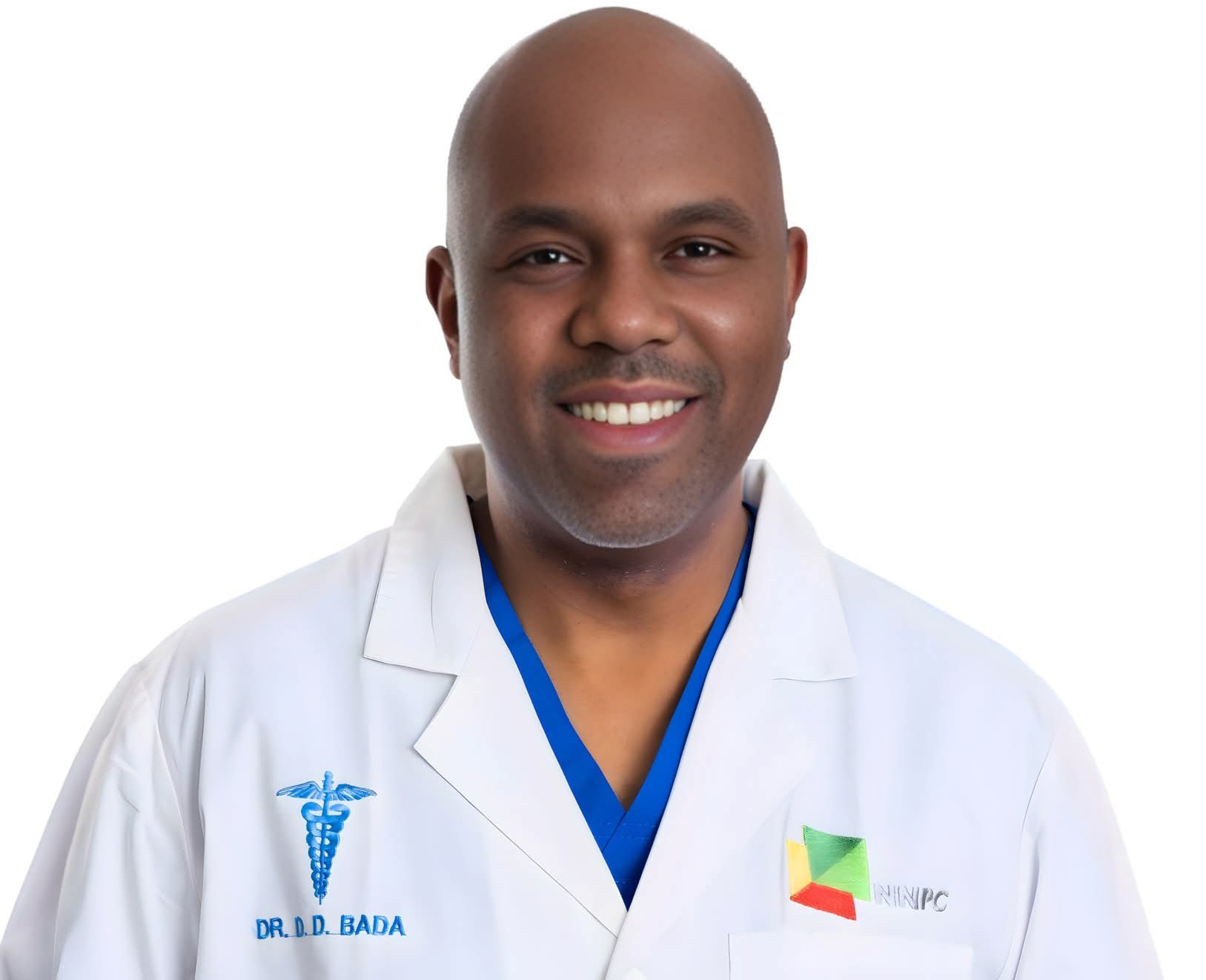
2025: Top Strategic CEO’s Of Nigeria’sost Transformative Companies
2025: Top strategic CEO’s of Nigeria’s most transformative companies. Healing the System: Dr. Dickson Bada’s Blueprint for NMSL’s Healthcare Renaissance.
In Nigeria’s complex healthcare landscape, a transformative leader has emerged, poised to revolutionise the nation’s medical ecosystem. Meet Dr. Dickson Bada, a visionary surgeon and healthcare strategist, who, as Chief Operating Officer of NNPC Medical Services Limited (NMSL), is steering the organisation towards unprecedented excellence. With a rare blend of clinical expertise and business acumen, Dr. Bada is redefining the contours of healthcare delivery in NMSL, one innovative solution at a time.
As the helm of NMSL, Dr. Bada oversees six hospitals across the country, driving medical strategy, operational governance, and digital transformation. His leadership has been instrumental in NMSL’s remarkable turnaround, from a negative net profit position to a financially disciplined, growth-oriented organisation, delivering a positive net profit in 2025.
In this exclusive profile, Dr. Bada shares his insights on healthcare innovation, leadership, and the future of Nigeria’s medical sector, offering a rare glimpse into the mind of a trailblazer who is reimagining the possibilities of healthcare in Africa’s most populous nation.
Dr. Dickson Bada is a healthcare strategist and consultant surgeon who is redefining enterprise leadership in Nigeria’s evolving medical landscape. As Chief Operating Officer of NNPC Medical Services Limited (NMSL), he oversees six hospitals across Abuja, Benin, Kaduna, Lagos, Port Harcourt, and Warri, leading the organisation’s medical strategy, operational governance, digital transformation, and long-term sustainability agenda.
A Fellow of the West African College of Surgeons, Dr. Bada trained in Minimal Access Surgery at the University of Strasbourg and later advanced his expertise in Medical Informatics at City University London.
Dr. Bada’s professional journey spans roles in the UK and Nigeria. At Garki Hospital, Abuja, he contributed to Nigeria’s first Hospital Public-Private Partnership initiative and spearheaded the acquisition of one of Abuja’s earliest MRIs.His rare blend of surgical mastery and systems intelligence has shaped his reputation as a leader who understands both clinical excellence and the enterprise architecture required to deliver it at scale.
At NMSL, Dr. Bada has driven structural reforms designed to secure financial stability, strengthen governance frameworks, and enhance operational efficiency in a challenging economic environment. His leadership has included business model realignment, organisational restructuring, workforce optimisation, and the enhancement of the hospital-wide Health Information System (HIS), positioning the organisation for data-driven decision-making and deeper digital integration.
In just 10 months at the helm of NMSL, he has transformed the company from a negative net profit position into a financially disciplined, growth-oriented organisation, delivering a positive net profit in 2025. He accomplished this by leveraging IT-driven efficiencies, securing strategic corporate partnerships, streamlining procurement, and implementing robust cost-control measures. Thereby, unlocking new revenue streams and driving operational efficiency.
At the heart of NMSL’s transformation is NNPC Multispecialty Hospital (NMSH) Utako, Abuja, the organisation’s flagship hospital. It is positioned as an advanced secondary and tertiary referral facility, open to serving all Nigerians. The hospital offers comprehensive, multi-speciality care, including emergency, surgical, medical, diagnostic, and occupational health services.
Under Dr. Bada’s leadership, there is a deliberate shift towards minimal access techniques, achieving successful outcomes that have reduced recovery time, minimised complications, and enabled patients return to productivity faster. The recent commencement of interventional radiology procedures and the planned introduction of advanced robotic orthopaedic surgeries further demonstrate his innovative leadership and commitment to cutting-edge care.
He has also led capital engagements to expand specialised services and regional capabilities, aligning clinical growth with fiscal responsibility. Under his leadership, NMSH Utako, Abuja, now operates at a sustainable scale, with a strategic focus and an enhanced competitive edge. The organisation’s other hospitals in Benin, Kaduna, Lagos, Port Harcourt, and Warri are progressing toward similar operational maturity, positioning NMSL as a benchmark for excellence in the sector.
Top Strategic CEO’s Of Nigeria’sost Transformative Companies
Beyond infrastructure and profitability, Dr. Bada prioritises stakeholder trust, regulatory compliance, and patient safety. He embeds good clinical practice standards and structured infection prevention systems across operations. He also champions professional development and international collaboration, maintaining engagement with global surgical institutions such as the Society of American Gastrointestinal and Endoscopic Surgeons (SAGES) and IRCAD to align local practice with global benchmarks.
Recognised for aligning medicine with enterprise strategy, Dr. Bada represents a new generation of healthcare executives in Nigeria. He views hospitals not merely as clinical centres, but as complex institutions requiring governance discipline, technological innovation, and long-term strategic vision.
His leadership philosophy is clear: Sustainable healthcare reform must be systemic, accountable, and economically viable. Under his stewardship, NMSL continues to strengthen its position as a forward-looking healthcare enterprise committed to delivering advanced care to all Nigerians
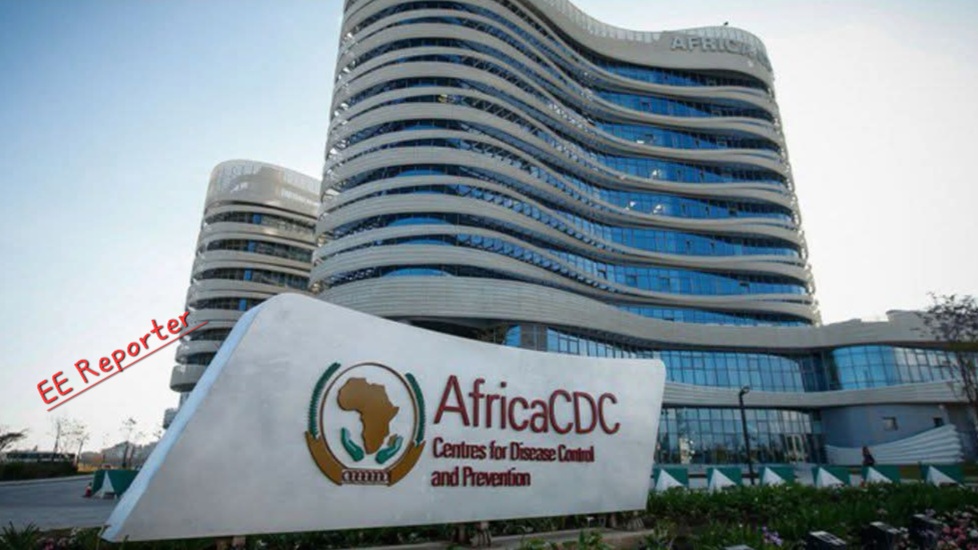
Africa CDC Commended Equatorial Guinea’s Malaria Progress
Africa CDC commended Equatorial Guinea’s malaria progress. “Only nine countries out of 55 in Africa are malaria-free. Equatorial Guinea is on track to become the next,” Africa CDC chief said.
The Africa Centres for Disease Control and Prevention has commended Equatorial Guinea’s milestone in malaria control, highlighting broader continental advances in disease surveillance, outbreak response, and local manufacturing of essential health commodities.
Jean Kaseya, director general of Africa CDC, disclosed this during a weekly high-level regional press briefing on Thursday, outlining progress in malaria elimination, emergency preparedness, and institutional reforms across member states.
Mr Kaseya said children under five and pregnant women remained most affected by malaria, which accounted for 95 per cent of global cases and 96 per cent of related deaths recorded worldwide.
He described Equatorial Guinea’s malaria response as a pilot model for elimination that other African countries could replicate, noting that sustained political commitment and targeted interventions were critical to progress.
“Only nine countries out of 55 in Africa are malaria-free. Equatorial Guinea is on track to become the next,” he said, underscoring the country’s steady advances toward elimination status.
He warned that drug and insecticide resistance, alongside climate change, were expanding malaria transmission zones, threatening recent gains and complicating efforts to reduce infections and deaths continent-wide.
The director-general reported that Africa CDC had significantly strengthened outbreak detection and response capacities through expanded surveillance systems, improved coordination mechanisms, and enhanced technical support to member states.
“Public Health Emergency Operations Centres increased from five in 2022 to 32 in 2025, while laboratory networks and pathogen genomic capacity have improved dramatically. As a result, reported outbreaks dropped from 189 in early 2025 to 72 in 2026,” he added.
He attributed the decline to faster detection and coordinated regional responses.
Mr Kaseya said funding utilisation at Africa CDC rose from 34 per cent in 2022 to 95 per cent, while overall funding increased from $52 million to $463 million.
He said human resources were expanded and repurposed rather than reduced, with deliberate attention to gender balance and equitable geographic representation across the institution’s workforce and leadership structures.
Africa CDC
Mr Kaseya said the African Union recently endorsed the Africa Executive Sovereignty agenda, replacing the “new public health order” framework that has guided the continent’s health security reforms.
Mr Kaseya announced plans for an extraordinary summit on local manufacturing in Nairobi in May 2026 and the Conference on Public Health in Africa in Ethiopia in November 2026.
He said Africa CDC also planned to establish an African medical prize, starting in 2027, to recognise outstanding contributions by African scientists advancing medicine and public health innovation.
He highlighted recent outbreak responses, including Uganda’s anthrax outbreak, where Africa CDC supplied 10,000 vaccine doses, and cholera outbreaks in Mozambique, Somalia, and Zambia, worsened by flooding.
Mr Kaseya stressed the importance of Africa producing its own vaccines and diagnostics to reduce reliance on external suppliers and strengthen the continent’s long-term health security.
Equatorial Guinea’s health minister joined the briefing, outlining how the country analysed malaria trends, implemented pilot interventions, and scaled elimination efforts.

Ogun Assembly Pledges More Supports For Rural Healthcare Reform
Ogun assembly pledges more supports for rural healthcare reform. He also advocated improved and timely funding for primary health care centres.
Ogun State Assembly
The Speaker of the Ogun House of Assembly, Oludaisi Elemide, has assured a World Bank-led delegation of sustained legislative support for rural healthcare reform.
Mr Elemide gave the assurance on Friday during a courtesy visit by officials of the World Bank, key federal ministries and the Nigeria Governors’ Forum at his office in Abeokuta.
The delegation was in the state to review public financial management practices at the primary health care level across selected local government areas.
They later visited the Assembly Complex, Oke-Mosan, as part of broader engagements with critical stakeholders in the state’s health governance structure.
“The Ogun State House of Assembly is irrevocably committed to collaborating with the World Bank and other stakeholders.
“We will continue to support initiatives that enhance transparency, accountability and effective healthcare delivery for our people.”
The speaker explained that the legislature was responsible for lawmaking, appropriation and oversight of government programmes and public expenditure.
He clarified that while lawmakers approve budgets, the release and disbursement of funds remain within the executive’s constitutional mandate.
Mr Elemide commended Governor Dapo Abiodun for what he described as significant investments in renovating and reconstructing primary health care centres across the state.
He said the administration’s intervention had improved access to healthcare services, especially in rural and underserved communities.

Ogun Assembly
However, the speaker called for increased recruitment of qualified medical personnel to address manpower shortages in many facilities.
He also advocated improved and timely funding for primary health care centres to consolidate infrastructure gains and ensure quality service delivery.
Earlier, the delegation leader, Maxwell Dapaah, acknowledged visible infrastructural improvements in several centres visited across local government areas.
Mr Dapaah said the team observed better buildings and equipment but noted operational challenges that required urgent attention.
He expressed concern over insufficient funding, weak financial controls and the lack of automation of patient records.
“These issues have been communicated to the executive arm for necessary action and policy response,” Mr Dapaah said.
-

 Crime11 months ago
Kogi Assembly Considers Law To Regulate Rent, Establish Control Board: Tenancy Law
-

 News12 months ago
Atiku Reveals Why He Failed To Pick Wike As Running Mate In 2023
-

 Akwa Ibom1 year ago
The Apostolic Church Gets New Territorial Chairman, Exco
-

 Crime1 year ago
Federal High Court Jails 2 For Vandalizing Transformer, Telecom Mast In Kogi
-
 News1 year ago
The Apostolic Church Gets New National President, Executive
-

 Akwa Ibom1 year ago
Umo Eno Commences Payment Of 80,000 Naira Minimum Wage With Arrears
-

 News1 year ago
Senator Natasha Returns To Senate With Husband Amid Seat Dispute
-

 Economy10 months ago
Kiyosaki: Is Tinubu’s Government Afraid Of Ibrahim Traore?