
Abuja
Tinubu’s 2 Year Milestone: A Testament To Bold Reforms, National Renewal

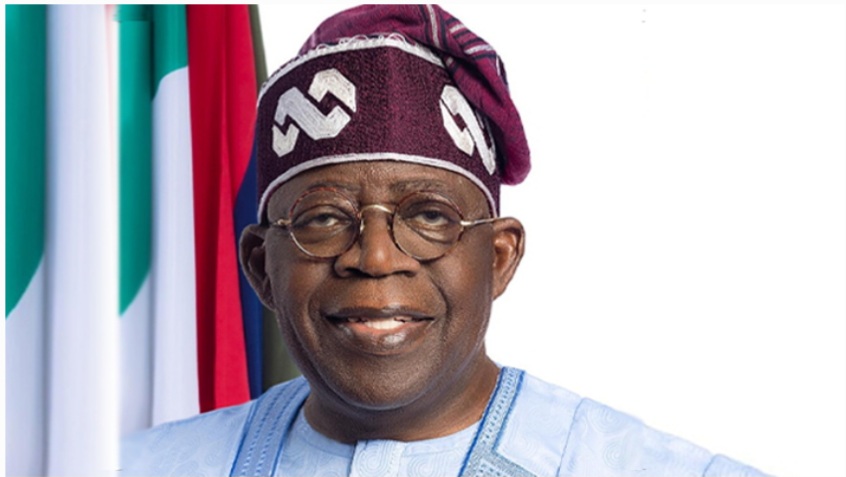
Tinubu’s 2 Year Milestone: A Testament To Bold Reforms, National Renewal
Tinubu’s 2 year milestone: A testament to bold reforms, national renewal. President Bola Ahmed Tinubu has marked a defining chapter in Nigeria’s history—one anchored on courage, bold reforms, and a relentless pursuit of progress. As ThisDay Newspaper crowned him 2024 “Man of the Year,” they rightly noted:
“Whether lampooned or lionised, President Bola Tinubu could not be accused of lacking courage to take tough decisions or the will to stay the course.”
Those words ring true.
In just two years, President Tinubu has embarked on transformative initiatives across various sectors, laying the groundwork for sustainable development.
Key reforms include the removal of petrol subsidies and the unification of the exchange rate, creating a market-reflective and stable currency environment. These measures have enabled the Central Bank of Nigeria to increase foreign exchange reserves, now more than $38 billion.
These reforms have resulted in a surge in investment inflows, with domestic and international investors regaining confidence in the economy. Fitch upgraded Nigeria’s long-term foreign-currency issuer default rating from B- to B and revised the outlook from Negative to Stable in April 2025. This upgrade reflects increased confidence in the government’s commitment to policy reforms, including exchange rate liberalization, monetary policy tightening, and steps to end deficit monetization and remove fuel subsidies.
The World Bank recently reported that Nigeria’s economy grew at its fastest rate in nearly a decade in 2024, attributing this to the early successes of the President’s macroeconomic reforms. The country’s fiscal deficit dropped from 5.4% of GDP in 2023 to 3.0% in 2024, bolstered by increased national revenue, from ₦16.8 trillion to ₦31.9 trillion.
Infrastructure and Public-Private Partnership (PPP) Acceleration
President Tinubu’s focus on infrastructure development has catalyzed greater private sector participation in critical sectors such as healthcare, transportation, energy, ICT, among others. The President reiterated his administration’s stance on PPP at the 29th Nigerian Economic Summit (NES) held on October 23, 2023. He stated, “We must work together. I have proven capacity in this regard, as we remember the role of public-private partnerships in the transformation of Lagos State under my leadership. We will replicate that across Nigeria with your unwavering support”.
The President has demonstrated his commitment to road infrastructure in Nigeria, with numerous projects including the 6-lane 700-kilometre Lagos-Calabar coastal road designed to enhance connectivity and facilitate trade across eight states—Lagos, Ogun, Ondo, Delta, Bayelsa, Rivers, Akwa Ibom, and Cross River; and the Sokoto-Badagry highway that links the Western and Northern parts of the country. The Keffi-Akwanga-Lafia-Makurdi highway has been commissioned and is operational, while the Benin-Asaba highway has been flagged off under the Highway Development and Management Initiative (HDMI). The contractor has since moved to the site.
The administration has also implemented far reaching reforms in the area of internal security and boarder control management with the introduction of biometric passport application and e-visa initiatives, the implementation of Advanced Passenger Information (API) system, the Command and Control Center and the deployment of e-gates at the four major airports to make arrival and screening seamless for Nigerians.
The administration is implementing, approving, and advancing PPP projects across various sectors to drive infrastructure development and economic growth. At the Federal Executive Council (FEC) meeting of 12th May 2025, approvals were granted for some PPP projects that include:
MediPool: A centralized procurement and distribution hub for medicines, vaccines, and medical consumables, ensuring access in rural and underserved areas. It also includes local production of drugs. A groundbreaking PPP to centralise the procurement and delivery of medicines, vaccines, and supplies across Nigeria.
Ikere Gorge Hydropower Project (Oyo State): A revival of a 1970s project under a Finance-Build-Operate-Transfer (FBOT) model to generate a 6MW small hydroelectric power project in Oyo State, developed via PPP. It is designed for expansion—irrigation, water supply, and solar integration.
Federal Coastal Fishery Terminal (Borokiri, Rivers State): Rehabilitation and upgrade of the Federal Coastal Fishery Terminal, Borokiri, Rivers State, to boost domestic fish production, enhance post-harvest handling, and improve food and nutrition security.
Other notable PPP projects include Kashimbila Integrated Cargo and Agro-Allied Airport Project (Taraba State. The project involves the upgrade of an existing airstrip into a cargo/agro-allied airport and the development of over 3,000 hectares of farmland for irrigation, livestock ranching, and fish farming.
Additionally, talks are ongoing for a PPP initiative to construct the Dasin Hausa Dam to mitigate flooding from the Lagdo Dam in Cameroon. The Product Authentication and Tracking System (PATS) aims to combat counterfeit goods by digitally tagging products with unique security codes.
These projects will not only drive infrastructure development but also embody the spirit of the Renewed Hope Agenda—transforming infrastructure delivery, creating jobs, and ensuring no region is left behind.
Youth Inclusion and Empowerment
The administration has also demonstrated a firm commitment to youth inclusion by appointing a significant number of young Nigerians into key political and leadership positions. This intentional shift signals a break from the past and an embrace of a new generation of thinkers and doers poised to shape Nigeria’s future. From Ministers to Heads of strategic agencies, young professionals are now at the forefront of national development, bringing innovation, energy, and fresh perspectives to governance.
Complementing this is the administration’s robust support for Micro, Small, and Medium Enterprises (MSMEs)—a sector dominated by the youth. Through initiatives like the Presidential Conditional Grant Scheme and the rollout of targeted loan programmes, thousands of young entrepreneurs have received access to funding, business support, and mentorship. These interventions are not only empowering job creators but also stimulating grassroots economic activity, reinforcing the Renewed Hope Agenda’s focus on inclusive growth and youth-driven prosperity.
Agriculture and Food Security To address food insecurity and rising prices, the President declared a state of emergency on food production. This unlocked ₦100 billion in fertiliser support for farmers and spotlighted Taraba State’s agricultural potential as a national model. Agriculture is once again being positioned as a driver of inclusive growth.
Energy and Digital Transformation
In power and energy, the administration initiated the National Integrated Electricity Policy—an ambitious $122 billion roadmap that combines infrastructure renewal with investor-friendly reforms. It aims to power industry, productivity, and innovation.
In addition, the administration signed the Electricity Act, 2023, a transformative piece of legislation that decentralizes the power sector by allowing states to develop, generate, transmit, and distribute electricity independently. This strategic move empowers sub-national governments to attract private sector investments, tailor energy solutions to local needs, and accelerate access to reliable power across the country.
In the digital economy, Nigeria has moved into the spotlight. Under Tinubu’s leadership, foreign direct investment surged from $22 million in Q1 2023 to $191 million in Q1 2024. A major driver is the proposed $2 billion national fibre optic rollout, delivering high-speed internet and transforming how Nigerians live, learn, and work.
Health, Security, and Social Impact
Healthcare is being reimagined from the grassroots. The National Health Fellows Programme is deploying young professionals to all 774 local government areas, ensuring quality care reaches remote communities.
Security is also being addressed with both firmness and empathy. The clearing of ₦18 billion in insurance arrears for military personnel reaffirmed faith in the armed forces. Coordinated efforts have restored calm in parts of the Northeast and Northwest, where farmlands are now returning to life.
Through the Renewed Hope Initiative, women and youth are receiving targeted support. Amendments to the Social Investment Programmes have strengthened transparency and ensured impact-driven delivery.
Tinubu
Global Leadership and Climate Action
On the global stage, the administration introduced the 4Ds Foreign Policy Doctrine—Democracy, Development, Demography, and Diaspora—repositioning Nigeria as a key global actor and investment destination.
Equally notable is the leadership on climate action. Climate resilience is now a national priority, not a policy afterthought, and Nigeria is asserting its voice in global sustainability dialogues.
Conclusion: A Call to Collective Responsibility
As we reflect on President Bola Ahmed Tinubu’s two years in office, one thing is clear: this presidency is defined not by rhetoric, but by results. From economic stability and infrastructure revitalisation to social investment and national security, he has confronted Nigeria’s challenges with clarity and conviction.
Transformation on this scale requires more than leadership—it requires partnership. It calls for belief and active participation from all Nigerians—young and old, rural and urban.
Now is the time to rise beyond cynicism, see the big picture, and contribute to a cause greater than us.
The future is being built brick by brick, reform by reform. The call is clear: Support the Renewed Hope Agenda, not just for today, but for the Nigeria of our dreams.
Dr. Jobson Oseodion Ewalefoh is the Director General, Infrastructure Concession Regulatory Commission.
BY JOBSON OSEODION EWALEFOH











Wike Tells FCT Residents In Eid-el-Fitr Message, Says “Remain Peaceful Throughout The Year”
Nyesom Wike, minister of the Federal Capital Territory (FCT), has urged residents of Abuja to sustain the values of compassion, forgiveness and unity imbibed during Ramadan as Muslims celebrate Eid-el-Fitr.
In his 2026 Eid message to residents, Wike described the fasting period as one marked by spiritual renewal and reflection, calling on residents not to abandon its lessons.
“As we celebrate Eid Fitr – the culmination of the Ramadan fast, I urge you all to carry forward the values of compassion, forgiveness, and unity that Ramadan embodies,” he said.
He congratulated Muslim faithful in the FCT on the successful completion of the Ramadan fast, noting that the period had fostered stronger bonds among residents.
The minister also commended the spirit of generosity and coexistence demonstrated across religious lines during the holy month.
“Within the FCT, it is reassuring to see Muslims sharing and caring for fellow Muslims and non-Muslims alike in the last 30 days,” he said.
“Individuals and corporate organisations have, by their conduct during this holy month, demonstrated their commitment and cooperation towards maintaining Abuja’s pride of place as the Centre of Unity, Peace and Harmony in Nigeria.”
Wike implored residents to pray for Nigeria’s leaders and the country’s continued peace and development.
“This occasion also offers us a unique opportunity to pray for our leaders, and indeed, our country Nigeria, that we may continue to enjoy peace and progress,” he said.
Looking ahead to political activities in the country, he urged residents to remain peaceful regardless of affiliations.
“I urge all residents regardless of political affiliation, gender or tribe to take a cue from the Muslim Ummah, and maintain peaceful conduct throughout the year while praying for the FCT, and the nation as a whole at this period,” he added.
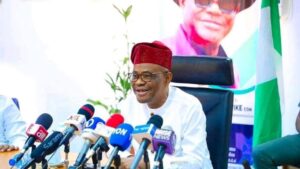
Wike
“The security agencies are working round the clock to ensure that residents celebrate and enjoy the occasion in peace, tranquility and orderliness.”
Wike reaffirmed the FCT administration’s commitment to safeguarding lives and property, while continuing efforts to develop Abuja into a world-class city.
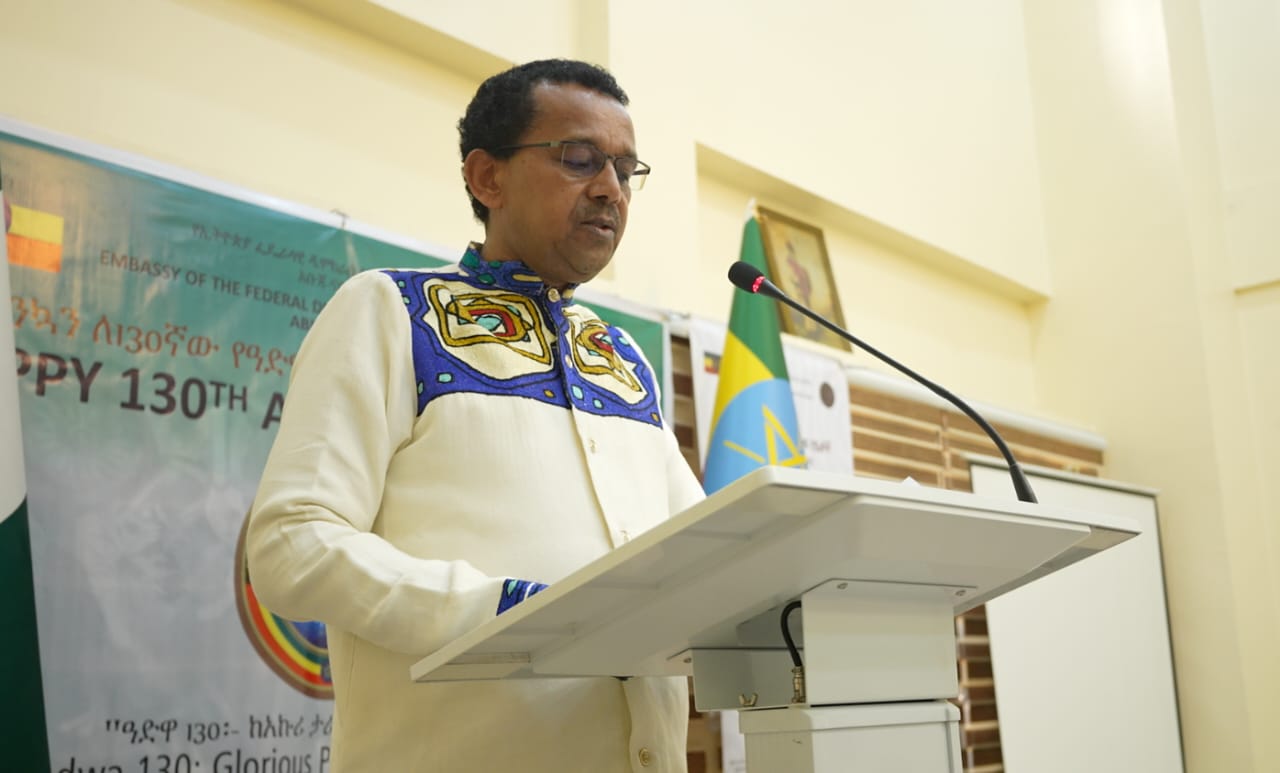
Adwa Victory At 130: Ethiopia Marks Historic Triumph And Women’s Day In Abuja
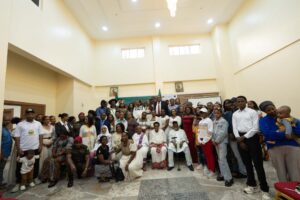
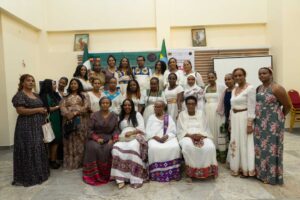
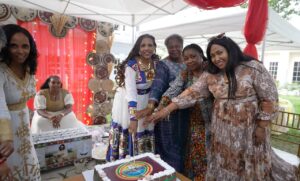
ABUJA, Nigeria – The Embassy of the Federal Democratic Republic of Ethiopia in Abuja hosted a colourful celebration on Saturday, March 7, 2026, to mark the 130th Anniversary of the Victory of Adwa alongside International Women’s Day.
The event, held under the themes “Adwa 130: From a Dark History to a Bright Horizon!” and “50 Years of Women’s Voice for Equality and Prosperity,” brought together Ethiopians living in Nigeria, people of Ethiopian origin, and Nigerian friends of Ethiopia.
Delivering the keynote address, Ambassador Extraordinary and Plenipotentiary of Ethiopia to Nigeria, H.E. Legesse Geremew Haile, described the Victory of Adwa as a historic milestone achieved through the collective sacrifice, unity, and determination of the Ethiopian people.
He emphasized that women played a crucial role in securing the historic victory over Italian forces in 1896, noting that their contributions remain a strong symbol of courage and patriotism.
The Ambassador also highlighted Ethiopia’s progress in promoting gender equality, stating that women are increasingly occupying leadership positions in government, parliament, and the cabinet at both federal and regional levels.
Encouraging the younger generation to uphold the “Spirit of Adwa,” Ambassador Legesse urged Ethiopians at home and in the diaspora to contribute actively to the country’s ongoing development efforts.
He outlined several key national initiatives, including modernizing the agricultural sector, where Ethiopia has recently emerged as Africa’s largest wheat producer, expanding industrial capacity through the “Ethiopia Tamirt” (Produce in Ethiopia) initiative, promoting tourism through the Gebeta projects, and advancing digital transformation through artificial intelligence to improve service delivery.
The Ambassador also addressed Ethiopia’s strategic economic goals, calling for unified support for the country’s pursuit of peaceful access to the sea, describing it as a vital national interest for a nation of over 130 million people with a rapidly growing economy.
According to him, Ethiopia remains committed to achieving this objective through peaceful and mutually beneficial diplomatic engagement.
Reaffirming the country’s long-term development vision, Ambassador Legesse said Ethiopia aims to become one of Africa’s five largest economies by 2035 and among the world’s top 20 economies by 2050. He therefore called on the Ethiopian diaspora to actively participate in the nation’s development initiatives and major projects.
The celebration also featured a presentation titled “The Trust of Adwa: Unity, Sovereignty, and Reconstruction,” which highlighted the historic significance of the Battle of Adwa fought on March 1, 1896. The presentation underscored how Ethiopia’s victory over the Italian army became a powerful symbol of African resistance, inspiring Pan-Africanism and anti-colonial movements across the continent and the diaspora.
Participants at the event described Adwa as a shared African victory, stressing that its legacy should continue to inspire present and future generations to work towards rebuilding their nations and strengthening the continent.
The programme was further enriched with patriotic poetry and educational video presentations performed by young children.
The ceremony began with the Ethiopian National Anthem and concluded with a ceremonial cake-cutting and reception attended by guests and members of the Ethiopian community in Nigeria.
Abuja: Fire Guts Section Of Federal Secretariat
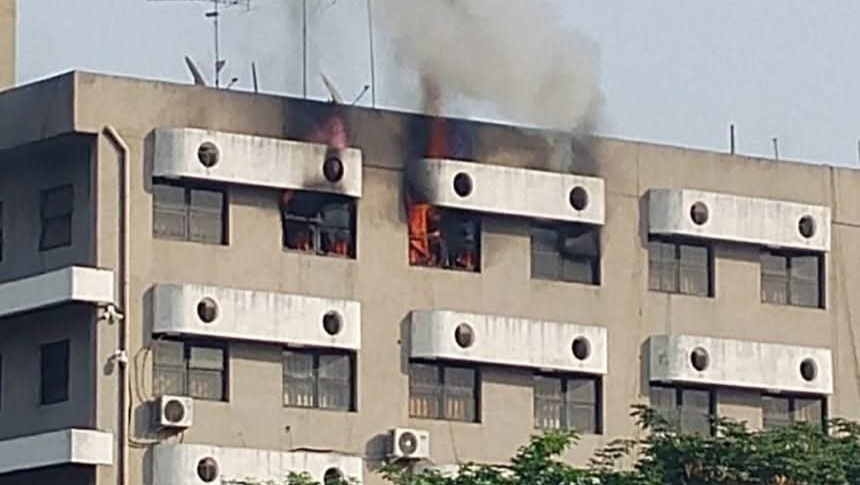
Abuja: Fire guts section of federal secretariat. There was panic at the federal secretariat in Abuja on Monday morning after a section of the office of the head of service of the federation caught fire.
Eyewitnesses said the fire was first noticed at about 8:20am. Social media footage showed plumes of black smoke billowing from the affected section of the building.
The incident occurred at Section C of the building within the federal secretariat complex.
Staff members were seen evacuating the area after emergency responders had been alerted.
The media department of the office of the head of service confirmed the incident.
The office said the outbreak was limited to Section C of the building.

Fire Guts Section Of Federal Secretariat
Officials said emergency responders were already working to contain the fire.
“The fire outbreak is limited to Section C of the building and is currently being attended to by emergency officials,” the office said.
The cause of the fire had yet to be disclosed at the time of filing this report.
Abuja (FCT)
federal secretariat in Abuja
head of service office in Abuja.
-
 Crime11 months ago
Kogi Assembly Considers Law To Regulate Rent, Establish Control Board: Tenancy Law
-

 News12 months ago
Atiku Reveals Why He Failed To Pick Wike As Running Mate In 2023
-
 Akwa Ibom1 year ago
The Apostolic Church Gets New Territorial Chairman, Exco
-

 Crime1 year ago
Federal High Court Jails 2 For Vandalizing Transformer, Telecom Mast In Kogi
-
 News1 year ago
The Apostolic Church Gets New National President, Executive
-
 Akwa Ibom1 year ago
Umo Eno Commences Payment Of 80,000 Naira Minimum Wage With Arrears
-

 News1 year ago
Senator Natasha Returns To Senate With Husband Amid Seat Dispute
-
 Economy10 months ago
Kiyosaki: Is Tinubu’s Government Afraid Of Ibrahim Traore?