
Health care
Report Says 1 In 4 Nigerian Fathers Not Biological Parents: Paternity Crisis


Report Says 1 In 4 Nigerian Fathers Not Biological Parents: Paternity Crisis
Report says 1 in 4 Nigerian fathers not biological parents: Paternity crisis. A new report by Smart DNA Nigeria has revealed that one in every four paternity tests conducted in the country still returns a negative result, underscoring a persistent paternity crisis and deepening trust issues within Nigerian families.
In its 2025 Annual DNA Testing Report released this week, the Lagos-based genetic testing company disclosed that 25 per cent of paternity tests conducted between July 2024 and June 2025 showed that the presumed fathers were not biologically related to the children in question.
Though slightly lower than 2024’s 27 per cent, the figure highlights what the firm calls a “worrying and consistent trend”.
“These findings are not just about science; they tell us something profound about trust, relationships, and the legal and economic realities of Nigerian families today,” said Operations Manager at Smart DNA, Elizabeth Digia.
“Our role is to provide certainty through accurate testing while encouraging sensitive handling of the life-changing information our clients receive.”
According to the Vanguard, the report noted that firstborn children, especially sons, were significantly more likely to have negative paternity test results, with firstborn boys recording a staggering 64 per cent exclusion rate, far higher than later-born siblings.
It also revealed that immigration-related DNA testing surged to 13.1 per cent of all tests, a direct result of Nigeria’s escalating emigration wave, popularly dubbed the “Japa” phenomenon.
This marks a sharp increase from previous years as more families seek documentation for foreign relocation.
“Many of our clients are dual-citizenship families processing DNA documentation for children, often as part of long-term emigration plans,” the report noted.
Another key finding was that 88.2 per cent of all paternity tests were initiated by men, with only 11.8 per cent coming from women. Older men, particularly those aged 41 and above, accounted for nearly half (45.5 per cent) of all tests, suggesting financial stability plays a major role in initiating paternity verification.
Children between ages 0 and 5 made up the majority of those tested, at 58.6 per cent, up from 54 per cent in the previous year.
According to analysts, this shows a growing trend of parents seeking early clarity to avoid future complications.
While Lagos State still accounted for the bulk of DNA testing (69 per cent), the report shows a shift in demand from the Mainland to the Island. Lekki (20.3 per cent), Yaba (15.8 per cent), Ajah and Ikorodu (10.5 per cent each), and Surulere and Ikeja (9 per cent each) ranked as top testing hubs.
Ethnic distribution of clients showed a continued dominance by Yoruba families (53 per cent), followed by Igbo (31.3 per cent).
Hausa participation remained minimal at 1.2 per cent, suggesting significant cultural differences in attitudes toward paternity testing.
A vast majority—83.7 per cent—of DNA tests were done for “peace of mind” rather than legal requirements, with court-mandated tests accounting for just 1.4 per cent.
The gender of tested children also revealed cultural leanings: 53.8 per cent were male, pointing to continued emphasis on verifying male lineage for reasons possibly linked to inheritance and family name preservation.

Paternity Crisis
The report calls for urgent legal reform, noting Nigeria lacks specific laws addressing paternity fraud, unlike countries such as South Africa. It also recommends that public health policies integrate DNA testing into family planning and premarital counselling frameworks.
“We’re seeing more people come forward with doubts they’ve harboured for years,” Digia said. “Some of these cases involve emotional trauma and even financial exploitation. A policy framework is overdue.”
Smart DNA emphasised that its report is based on anonymised data from real cases and does not represent the general population.
“Our figures reflect those who already had reason to question paternity, and as such, the results should not be extrapolated to all Nigerian families,” the firm explained.












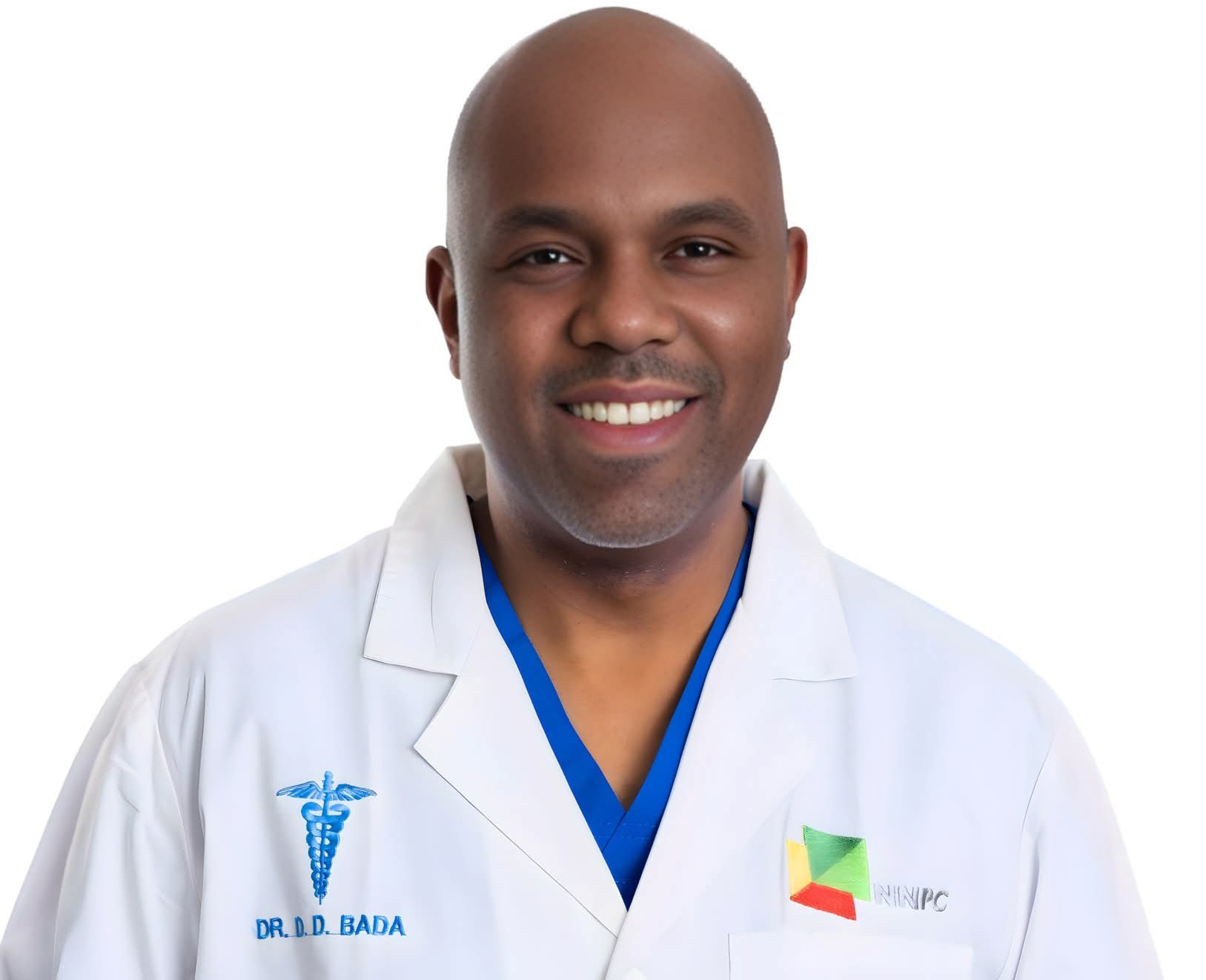
2025: Top Strategic CEO’s Of Nigeria’sost Transformative Companies
2025: Top strategic CEO’s of Nigeria’s most transformative companies. Healing the System: Dr. Dickson Bada’s Blueprint for NMSL’s Healthcare Renaissance.
In Nigeria’s complex healthcare landscape, a transformative leader has emerged, poised to revolutionise the nation’s medical ecosystem. Meet Dr. Dickson Bada, a visionary surgeon and healthcare strategist, who, as Chief Operating Officer of NNPC Medical Services Limited (NMSL), is steering the organisation towards unprecedented excellence. With a rare blend of clinical expertise and business acumen, Dr. Bada is redefining the contours of healthcare delivery in NMSL, one innovative solution at a time.
As the helm of NMSL, Dr. Bada oversees six hospitals across the country, driving medical strategy, operational governance, and digital transformation. His leadership has been instrumental in NMSL’s remarkable turnaround, from a negative net profit position to a financially disciplined, growth-oriented organisation, delivering a positive net profit in 2025.
In this exclusive profile, Dr. Bada shares his insights on healthcare innovation, leadership, and the future of Nigeria’s medical sector, offering a rare glimpse into the mind of a trailblazer who is reimagining the possibilities of healthcare in Africa’s most populous nation.
Dr. Dickson Bada is a healthcare strategist and consultant surgeon who is redefining enterprise leadership in Nigeria’s evolving medical landscape. As Chief Operating Officer of NNPC Medical Services Limited (NMSL), he oversees six hospitals across Abuja, Benin, Kaduna, Lagos, Port Harcourt, and Warri, leading the organisation’s medical strategy, operational governance, digital transformation, and long-term sustainability agenda.
A Fellow of the West African College of Surgeons, Dr. Bada trained in Minimal Access Surgery at the University of Strasbourg and later advanced his expertise in Medical Informatics at City University London.
Dr. Bada’s professional journey spans roles in the UK and Nigeria. At Garki Hospital, Abuja, he contributed to Nigeria’s first Hospital Public-Private Partnership initiative and spearheaded the acquisition of one of Abuja’s earliest MRIs.His rare blend of surgical mastery and systems intelligence has shaped his reputation as a leader who understands both clinical excellence and the enterprise architecture required to deliver it at scale.
At NMSL, Dr. Bada has driven structural reforms designed to secure financial stability, strengthen governance frameworks, and enhance operational efficiency in a challenging economic environment. His leadership has included business model realignment, organisational restructuring, workforce optimisation, and the enhancement of the hospital-wide Health Information System (HIS), positioning the organisation for data-driven decision-making and deeper digital integration.
In just 10 months at the helm of NMSL, he has transformed the company from a negative net profit position into a financially disciplined, growth-oriented organisation, delivering a positive net profit in 2025. He accomplished this by leveraging IT-driven efficiencies, securing strategic corporate partnerships, streamlining procurement, and implementing robust cost-control measures. Thereby, unlocking new revenue streams and driving operational efficiency.
At the heart of NMSL’s transformation is NNPC Multispecialty Hospital (NMSH) Utako, Abuja, the organisation’s flagship hospital. It is positioned as an advanced secondary and tertiary referral facility, open to serving all Nigerians. The hospital offers comprehensive, multi-speciality care, including emergency, surgical, medical, diagnostic, and occupational health services.
Under Dr. Bada’s leadership, there is a deliberate shift towards minimal access techniques, achieving successful outcomes that have reduced recovery time, minimised complications, and enabled patients return to productivity faster. The recent commencement of interventional radiology procedures and the planned introduction of advanced robotic orthopaedic surgeries further demonstrate his innovative leadership and commitment to cutting-edge care.
He has also led capital engagements to expand specialised services and regional capabilities, aligning clinical growth with fiscal responsibility. Under his leadership, NMSH Utako, Abuja, now operates at a sustainable scale, with a strategic focus and an enhanced competitive edge. The organisation’s other hospitals in Benin, Kaduna, Lagos, Port Harcourt, and Warri are progressing toward similar operational maturity, positioning NMSL as a benchmark for excellence in the sector.
Top Strategic CEO’s Of Nigeria’sost Transformative Companies
Beyond infrastructure and profitability, Dr. Bada prioritises stakeholder trust, regulatory compliance, and patient safety. He embeds good clinical practice standards and structured infection prevention systems across operations. He also champions professional development and international collaboration, maintaining engagement with global surgical institutions such as the Society of American Gastrointestinal and Endoscopic Surgeons (SAGES) and IRCAD to align local practice with global benchmarks.
Recognised for aligning medicine with enterprise strategy, Dr. Bada represents a new generation of healthcare executives in Nigeria. He views hospitals not merely as clinical centres, but as complex institutions requiring governance discipline, technological innovation, and long-term strategic vision.
His leadership philosophy is clear: Sustainable healthcare reform must be systemic, accountable, and economically viable. Under his stewardship, NMSL continues to strengthen its position as a forward-looking healthcare enterprise committed to delivering advanced care to all Nigerians
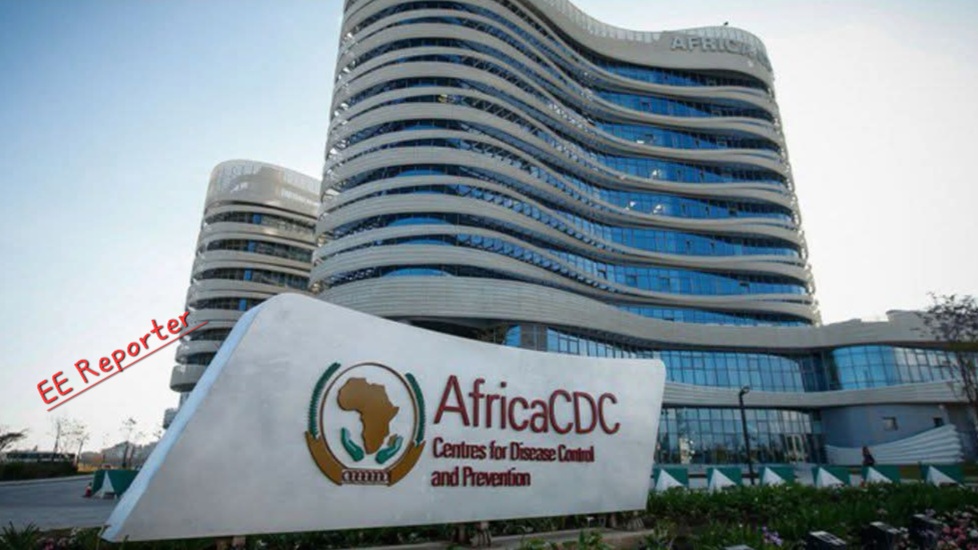
Africa CDC Commended Equatorial Guinea’s Malaria Progress
Africa CDC commended Equatorial Guinea’s malaria progress. “Only nine countries out of 55 in Africa are malaria-free. Equatorial Guinea is on track to become the next,” Africa CDC chief said.
The Africa Centres for Disease Control and Prevention has commended Equatorial Guinea’s milestone in malaria control, highlighting broader continental advances in disease surveillance, outbreak response, and local manufacturing of essential health commodities.
Jean Kaseya, director general of Africa CDC, disclosed this during a weekly high-level regional press briefing on Thursday, outlining progress in malaria elimination, emergency preparedness, and institutional reforms across member states.
Mr Kaseya said children under five and pregnant women remained most affected by malaria, which accounted for 95 per cent of global cases and 96 per cent of related deaths recorded worldwide.
He described Equatorial Guinea’s malaria response as a pilot model for elimination that other African countries could replicate, noting that sustained political commitment and targeted interventions were critical to progress.
“Only nine countries out of 55 in Africa are malaria-free. Equatorial Guinea is on track to become the next,” he said, underscoring the country’s steady advances toward elimination status.
He warned that drug and insecticide resistance, alongside climate change, were expanding malaria transmission zones, threatening recent gains and complicating efforts to reduce infections and deaths continent-wide.
The director-general reported that Africa CDC had significantly strengthened outbreak detection and response capacities through expanded surveillance systems, improved coordination mechanisms, and enhanced technical support to member states.
“Public Health Emergency Operations Centres increased from five in 2022 to 32 in 2025, while laboratory networks and pathogen genomic capacity have improved dramatically. As a result, reported outbreaks dropped from 189 in early 2025 to 72 in 2026,” he added.
He attributed the decline to faster detection and coordinated regional responses.
Mr Kaseya said funding utilisation at Africa CDC rose from 34 per cent in 2022 to 95 per cent, while overall funding increased from $52 million to $463 million.
He said human resources were expanded and repurposed rather than reduced, with deliberate attention to gender balance and equitable geographic representation across the institution’s workforce and leadership structures.

Africa CDC
Mr Kaseya said the African Union recently endorsed the Africa Executive Sovereignty agenda, replacing the “new public health order” framework that has guided the continent’s health security reforms.
Mr Kaseya announced plans for an extraordinary summit on local manufacturing in Nairobi in May 2026 and the Conference on Public Health in Africa in Ethiopia in November 2026.
He said Africa CDC also planned to establish an African medical prize, starting in 2027, to recognise outstanding contributions by African scientists advancing medicine and public health innovation.
He highlighted recent outbreak responses, including Uganda’s anthrax outbreak, where Africa CDC supplied 10,000 vaccine doses, and cholera outbreaks in Mozambique, Somalia, and Zambia, worsened by flooding.
Mr Kaseya stressed the importance of Africa producing its own vaccines and diagnostics to reduce reliance on external suppliers and strengthen the continent’s long-term health security.
Equatorial Guinea’s health minister joined the briefing, outlining how the country analysed malaria trends, implemented pilot interventions, and scaled elimination efforts.

Ogun Assembly Pledges More Supports For Rural Healthcare Reform
Ogun assembly pledges more supports for rural healthcare reform. He also advocated improved and timely funding for primary health care centres.
Ogun State Assembly
The Speaker of the Ogun House of Assembly, Oludaisi Elemide, has assured a World Bank-led delegation of sustained legislative support for rural healthcare reform.
Mr Elemide gave the assurance on Friday during a courtesy visit by officials of the World Bank, key federal ministries and the Nigeria Governors’ Forum at his office in Abeokuta.
The delegation was in the state to review public financial management practices at the primary health care level across selected local government areas.
They later visited the Assembly Complex, Oke-Mosan, as part of broader engagements with critical stakeholders in the state’s health governance structure.
“The Ogun State House of Assembly is irrevocably committed to collaborating with the World Bank and other stakeholders.
“We will continue to support initiatives that enhance transparency, accountability and effective healthcare delivery for our people.”
The speaker explained that the legislature was responsible for lawmaking, appropriation and oversight of government programmes and public expenditure.
He clarified that while lawmakers approve budgets, the release and disbursement of funds remain within the executive’s constitutional mandate.
Mr Elemide commended Governor Dapo Abiodun for what he described as significant investments in renovating and reconstructing primary health care centres across the state.
He said the administration’s intervention had improved access to healthcare services, especially in rural and underserved communities.

Ogun Assembly
However, the speaker called for increased recruitment of qualified medical personnel to address manpower shortages in many facilities.
He also advocated improved and timely funding for primary health care centres to consolidate infrastructure gains and ensure quality service delivery.
Earlier, the delegation leader, Maxwell Dapaah, acknowledged visible infrastructural improvements in several centres visited across local government areas.
Mr Dapaah said the team observed better buildings and equipment but noted operational challenges that required urgent attention.
He expressed concern over insufficient funding, weak financial controls and the lack of automation of patient records.
“These issues have been communicated to the executive arm for necessary action and policy response,” Mr Dapaah said.
-

 Crime11 months ago
Kogi Assembly Considers Law To Regulate Rent, Establish Control Board: Tenancy Law
-

 News12 months ago
Atiku Reveals Why He Failed To Pick Wike As Running Mate In 2023
-

 Akwa Ibom1 year ago
The Apostolic Church Gets New Territorial Chairman, Exco
-

 Crime1 year ago
Federal High Court Jails 2 For Vandalizing Transformer, Telecom Mast In Kogi
-

 News1 year ago
The Apostolic Church Gets New National President, Executive
-

 Akwa Ibom1 year ago
Umo Eno Commences Payment Of 80,000 Naira Minimum Wage With Arrears
-

 News1 year ago
Senator Natasha Returns To Senate With Husband Amid Seat Dispute
-

 Economy10 months ago
Kiyosaki: Is Tinubu’s Government Afraid Of Ibrahim Traore?