
News
NLC Threatens Mass Action Over E-Transmission Of Election Results: Electoral Act 2022

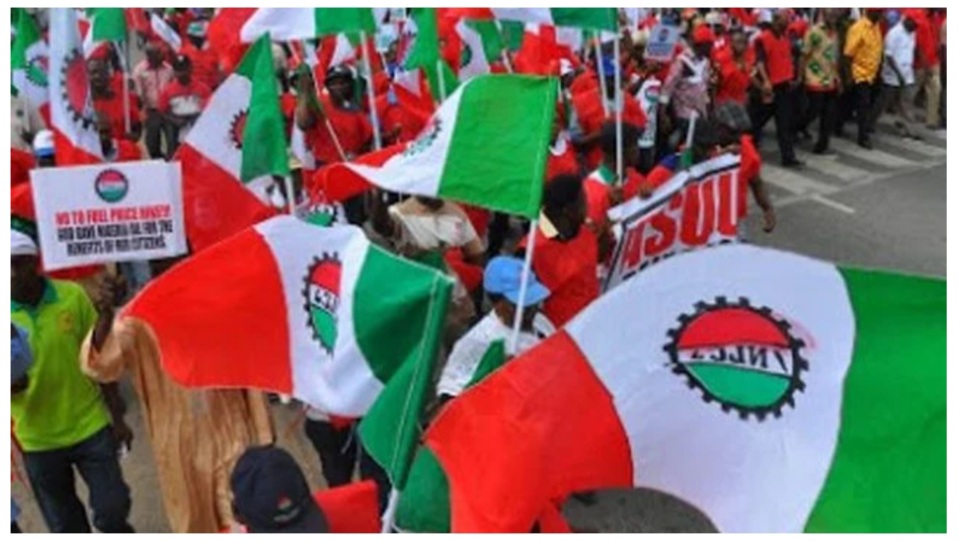
NLC Threatens Mass Action Over E-Transmission Of Election Results: Electoral Act 2022
NLC threatens mass action over e-transmission of election results: Electoral Act 2022. The Nigeria Labour Congress (NLC) has threatened a mass action and boycott of elections if the real-time transmission of election results is not included in the Electoral Act 2022 amendment.
In a statement issued on Sunday, Joe Ajaero, NLC president, said the Electoral Act must provide “an unambiguous mandate” for the Independent National Electoral Commission (INEC) to electronically transmit and collate results from polling units in real-time.
BACKGROUND
On February 4, the senate rejected the proposal for mandatory real-time transmission of election results during the consideration of the Electoral Act (Amendment) Bill, 2026.
However, the senate retained the existing provision for electronic transfer of election results as contained in the Electoral Act, 2022.
The amendment intends to make electronic transmission compulsory, ensure it is real-time, and link it directly to INEC result viewing portal (IReV).
In the existing law, INEC is not legally bound to electronically transmit results in real-time. Manual transmission and collation of results remain the main method, despite the existence of IReV.
The rejection has triggered public outrage and renewed distrust in the electoral system.
‘NIGERIANS DESERVE TRANSPARENT ELECTORAL PROCESS’
In the statement, Ajaero said the labour congress is deeply concerned about the “confusion and contradictory narratives emerging from the senate” pertaining to the amendment of the Electoral Act 2022.
The NLC president demanded “immediate clarity and transparency” on the “exact provisions passed” during the amendment of the extant Electoral Act.
“The Nigerian people deserve a transparent electoral process where their votes are not only counted but seen to be counted,” the statement reads.
“We urge the Senate to provide an immediate, official, and unambiguous account of its proceedings and final decisions.
“Public records suggest the proposed amendment to mandate INEC to transmit results electronically in real-time was not adopted, with the existing discretionary provision retained. This has generated nationwide apprehension, and subsequent explanations have only added to the confusion.
“At a critical juncture following the 2023 elections, such legislative ambiguity risks institutionalising doubt at the heart of our electoral integrity and echoes past controversies that have caused national distress.
“Therefore, the NLC demands immediate clarity and transparency. The Senate must issue a definitive statement on the exact provisions passed, clarifying the final wording and rationale.
“The National Assembly leadership must also ensure the harmonisation process produces a final bill with crystal-clear provisions; any ambiguity in the transmission and collation of results is a disservice to our democracy.
“We call on the Senate to restore legislative credibility by ensuring its processes are transparent and its outcomes clear. The amended Act must provide an unambiguous mandate for INEC to electronically transmit and collate results from polling units in real-time. The path to the 2027 elections must be built on certainty, not confusion.

NLC
“Nigerian workers and citizens are watching closely. The NLC is working within its networks to advocate for clarity and integrity. We will not stand by while the trusts of Nigerians are betrayed again and the clarity of our electoral laws compromised.
“Failure to add electronic transmission real-time will lead to mass action before, during and after the election or total boycott of the Election. Our nation must choose the path of clarity and integrity. We need to avoid the same confusion that trailed the new Tax Acts.”












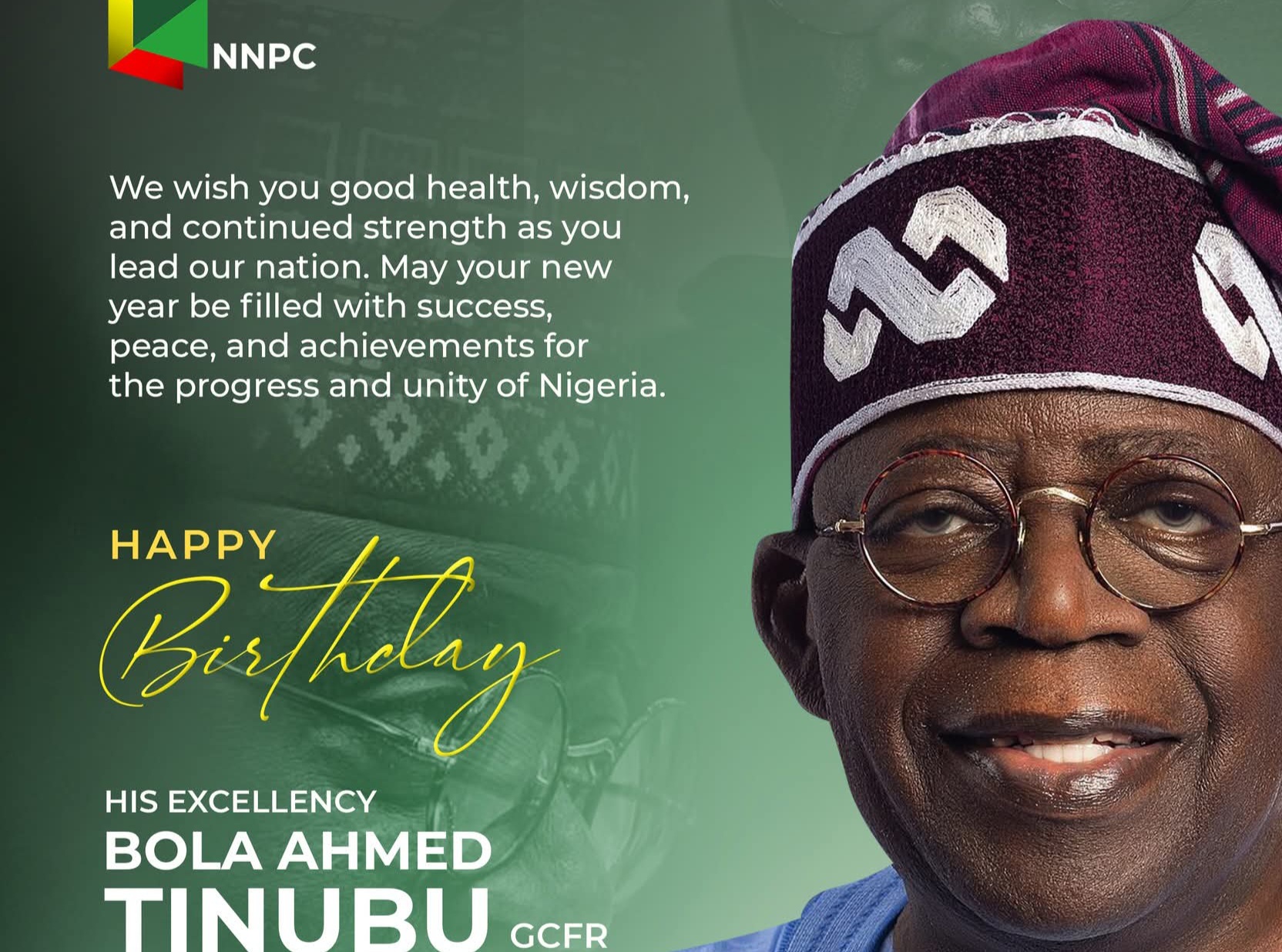
NNPC Board, Senior Management, Staff Wishes President Tinubu Happy Birthday
Happy birthday. On behalf of the Board, Senior Management, and Staff of NNPC Limited, we extend our heartfelt congratulations and best wishes to His Excellency, President Bola Ahmed Tinubu, GCFR, on the occasion of your birthday.
NNPC
We wish you good health, wisdom, and continued strength as you lead our nation. May your new year be filled with success, peace, and achievements for the progress and unity of Nigeria.
Happy Birthday, Your Excellency!
News
CAS Invested As NDA 40 Regular Course Patron, Hosts Dinner To Celebrate LifeLong Military Bonds
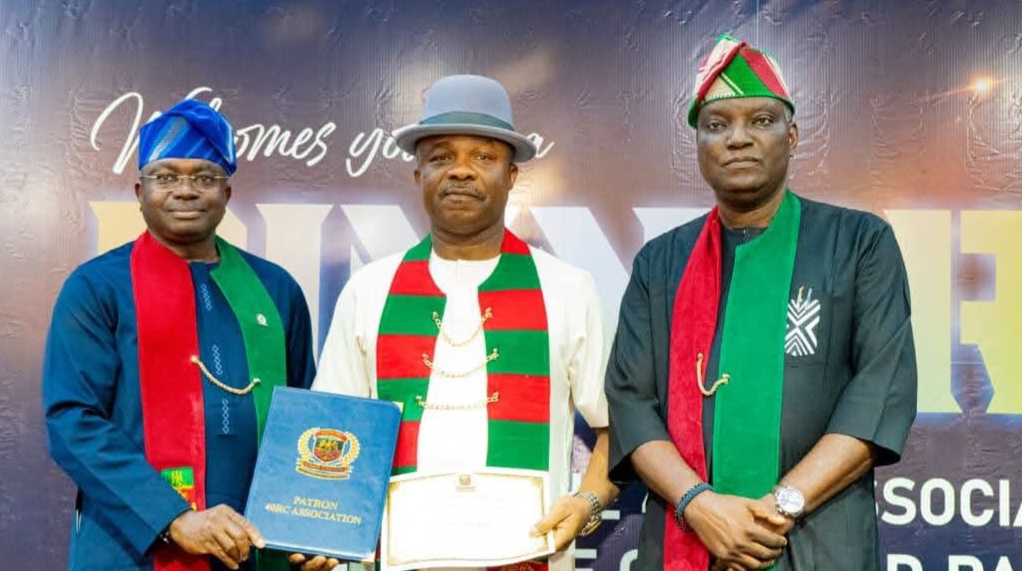
CAS Invested As NDA 40 Regular Course Patron, Hosts Dinner To Celebrate LifeLong Military Bonds
LifeLong military bonds. The Chief of the Air Staff (CAS), Air Marshal Sunday Kelvin Aneke, on 28 March 2026, hosted members of the Nigerian Defence Academy (NDA) 40 Regular Course (RC), his esteemed course mates, to a memorable dinner marked by camaraderie, reflection, and renewed commitment to service.
Accompanied by his amiable wife, the President of the Nigerian Air Force Officers’ Wives Association (NAFOWA), Mrs Ngozi Aneke, the gathering brought together members of the 40RC, their spouses, fondly referred to as the “Fabulous 40”, as well as other distinguished serving and retired senior officers. The event provided a unique platform to celebrate shared experiences and lifelong bonds forged through years of military training and distinguished service to the nation.
A major highlight of the evening was the investiture of the CAS as Patron of the NDA 40 Regular Course, a symbolic recognition of his exemplary leadership, enduring commitment, and the deep respect he commands among his peers. In his remarks, Air Marshal Aneke expressed profound appreciation for the honour, describing the course as a vital pillar of unity, support, and professional solidarity throughout their collective journey in the Armed Forces.
Speaking at the event, the President of the NDA 40 Regular Course Association, Rear Admiral EO Ferreira (Rtd), commended the CAS for his distinguished leadership and continued dedication to the ideals of the course, noting that the investiture was a fitting recognition of his enduring contributions to strengthening the course’s bond.

CAS Invested As NDA
The CAS reiterated the importance of enduring friendship, professionalism, and collaboration, emphasizing unwavering dedication to national security.
The evening was enlivened by goodwill messages, shared reflections, and a collective resolve among members to continue contributing meaningfully to the peace, stability, and progress of Nigeria.
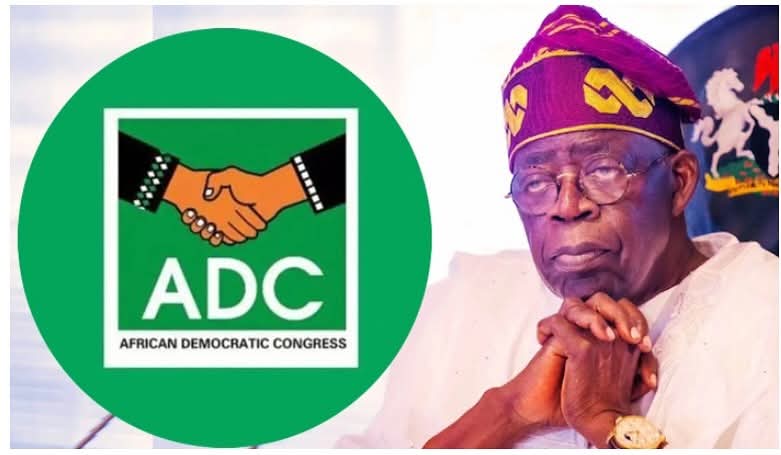
ADC Wishes President Bola Tinubu A Happy Birthday
Happy Birthday, Mr. President. As you mark another year, Nigerians reflect on a presidency whose impact is now impossible to ignore.
Under your watch, fuel prices have risen by nearly 500%, turning basic transportation into a daily calculation of survival.
Under your leadership, Nigeria has climbed to 4th on the Global Terrorism Index, while thousands of lives have been lost to violence, families shattered, and communities displaced. Every hour, a Nigerian is killed by insurgents.
Under your presidency, insecurity has not just persisted, it has adapted, expanded, and, at times, been met with language that blurs accountability, where those who terrorize Nigerians are referred to as “sons” and “brothers,” even as their victims bury loved ones.
Under your leadership, the economic strain on Nigerians has deepened, the cost of living has surged, and the ‘Renewed Hope’ that you promised has turned to hopelessness for millions of Nigerian families.
And under your watch, the political space is narrowing, raising real concerns about the steady drift toward a one-party state, in a democracy that was fought for with blood, sweat and tears.
But birthdays are for reflection.

ADC, Tinubu
So as you celebrate your final year in office, Nigerians can only offer a prayer, that this next year brings a sudden and unfamiliar miracle: that you begin to take governance more seriously; that you finally see the loss of lives under your watch as a failure of your leadership; and that you begin, at the very least, to act with the weight and responsibility of leading the world’s most populous Black nation.
Wishing you good health, improved judgment, and a sense of responsibility to the people you govern.
Happy Birthday, Mr. President!
-

 Crime11 months ago
Kogi Assembly Considers Law To Regulate Rent, Establish Control Board: Tenancy Law
-

 News1 year ago
Atiku Reveals Why He Failed To Pick Wike As Running Mate In 2023
-

 Akwa Ibom1 year ago
The Apostolic Church Gets New Territorial Chairman, Exco
-

 Crime1 year ago
Federal High Court Jails 2 For Vandalizing Transformer, Telecom Mast In Kogi
-
 News1 year ago
The Apostolic Church Gets New National President, Executive
-
 Akwa Ibom1 year ago
Umo Eno Commences Payment Of 80,000 Naira Minimum Wage With Arrears
-

 News1 year ago
Senator Natasha Returns To Senate With Husband Amid Seat Dispute
-

 Economy10 months ago
Kiyosaki: Is Tinubu’s Government Afraid Of Ibrahim Traore?