
Akwa Ibom
Akwa Ibom Governor Eno Charges Youths To Shun Narcotics, Embrace Productive Ventures

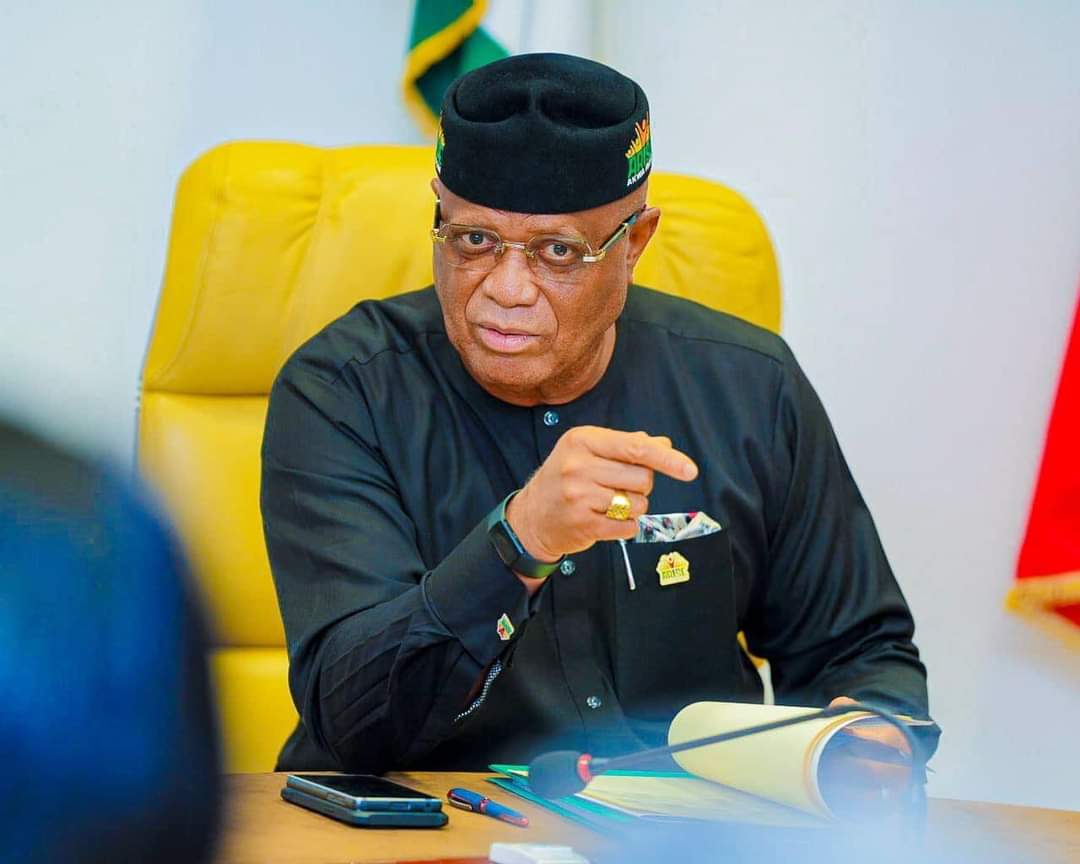
Akwa Ibom Governor Eno Charges Youths To Shun Narcotics, Embrace Productive Ventures
Akwa Ibom Governor Eno charges youths to shun narcotics, embrace productive ventures. Akwa Ibom State Governor, Pastor Umo Eno, has charged youths across the country to shun narcotics and hard drugs, warning that drug abuse poses a grave threat to families, communities, and national development. He urged young people to take advantage of available opportunities and engage in productive ventures.
The Governor gave the charge on Friday, February 6, in Ikoyi, Lagos, during the public presentation of the book Kick The Habit, authored by Dr. Eno Udoma-Eniang.
Represented at the event by the Akwa Ibom State Commissioner for Information, Hon. Aniekan Umanah, Governor Eno described drug abuse as a cross-generational menace that destroys lives, weakens families, and undermines societal progress.
“Drug abuse is a challenge that touches families, communities, and every generation. It steals dreams, destroys lives, and weakens the foundations of our society,” the Governor said.
He disclosed that his administration is working closely with the National Drug Law Enforcement Agency (NDLEA) to intensify the fight against illicit drugs, while sustaining advocacy and behavioural change campaigns through the State Ethical and Attitudinal Reorientation Commission (EARCOM), religious, social and cultural organisations. He added that the State Government is also implementing various youth-focused development programmes to ensure positive engagement.
Umo Eno
Governor Eno noted that books such as Kick The Habit play a critical role in combating substance abuse by educating the public on its dangers, prevention strategies, and the need for collective action.
Commending the author, Dr. Eno Udoma-Eniang, the Governor described the book as more than a literary work, calling it a powerful tool for awareness, advocacy, and behavioural change.
“This book is not just a story; it is a tool for awareness, advocacy, and change. Through research, real-life experiences, and practical guidance, the









Akwa Ibom
Governor Eno Approved ₦2.5b For Procurement Of Over 620,000 Oil Palm Seedlings For Farmers
Governor Eno Approved ₦2.5b For Procurement Of Over 620,000 Oil Palm Seedlings For Farmers
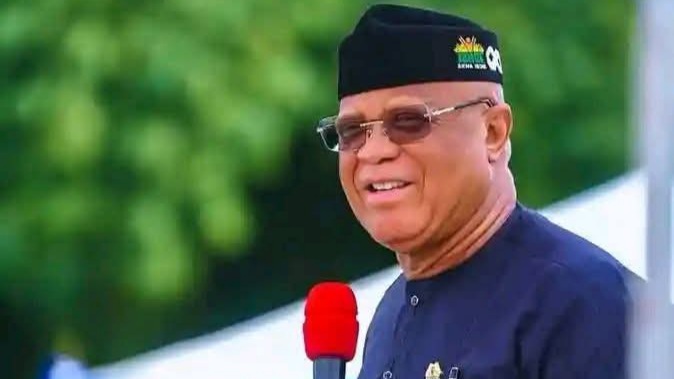
Governor Eno; I have approved ₦2.5 billion for the procurement of over 620,000 oil palm seedlings for distribution to farmers across the State, as part of our Tree Crop Revolution programme under the ARISE Agenda.
This initiative will be supported by extension workers to ensure proper planting and maximum yield, as we continue to drive agricultural productivity and food security.
At the March Delivery Meeting, I also reviewed reports on key projects across sectors and urged contractors to expedite work to ensure timely delivery in line with specifications.
Umo Eno
We remain committed to driving development across all sectors, with the continued support of stakeholders whose contributions strengthen our collective progress.
Akwa Ibom
Akwa Ibom City Boy Movement Begins Massive Mobilisation For Tinubu, Akpabio, Governor Eno
Akwa Ibom City Boy Movement Begins Massive Mobilisation For Tinubu, Akpabio, Governor Eno
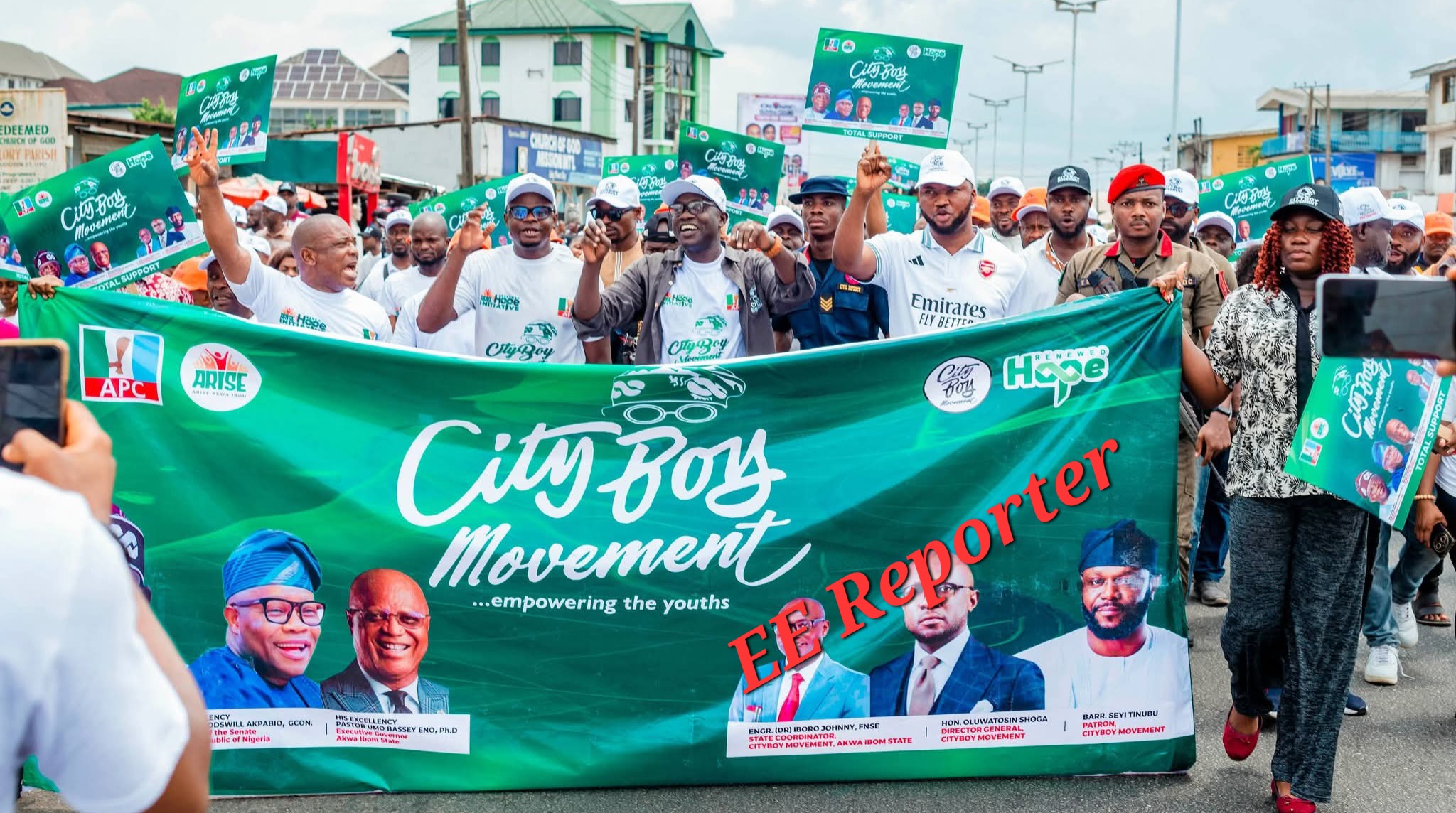
Akwa Ibom City Boy Movement. The frontline political group, City Boy Movement, Akwa Ibom Chapter, has commenced a statewide mobilisation campaign in support of President Bola Tinubu, Senate President Godswill Akpabio and Governor Umo Eno ahead of their re-election bids.
The move comes weeks after a statewide rally in Uyo, where supporters gathered to demonstrate solidarity with the three Leaders.
Speaking on the development, the State Coordinator, Engr. Iboro Johnny, FNSE, said the mobilisation exercise is aimed at reaching rural communities across the state and will be carried out on a unit-by-unit basis across all 329 wards in Akwa Ibom.
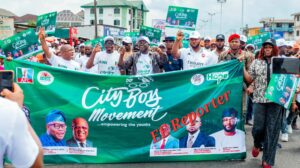
Akwa Ibom City Boy Movement
Iboro explained that the campaign will feature awareness programmes and engagement sessions designed to highlight the achievements of the three leaders in their respective offices.
He added that the movement is focused on ensuring that eligible voters are adequately informed and actively engaged ahead of the 2027 elections.
Akwa Ibom
Umo Eno Urges Stakeholders To Safeguard Educational Facilities, Distributes Materials, Sports Equipment
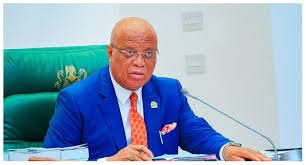
Umo Eno Urges Stakeholders To Safeguard Educational Facilities, Distributes Materials, Sports Equipment
Akwa Ibom State Governor, Pastor Umo Eno,PhD has charged teachers, school administrators, and community stakeholders to take collective responsibility in protecting and maintaining the facilities and materials provided by government to ensure their durability and continued impact.
The Governor spoke when he flagged off the distribution of teaching and learning materials, as well as sports equipment, to basic education schools across Akwa Ibom State, reaffirming government’s commitment to strengthening foundational education.
The items, acquired by Akwa Ibom State Universal Basic Education Board(AK-SUBEB), in collaboration with the Universal Basic Education Commission (UBEC), were distributed at the SUBEB Headquarters in Uyo to mark the first phase of the distribution exercise, to 75 primary schools and 33 junior secondary schools across the State.
Representing the Governor, the Commissioner for Education, Prof. Ubong Umoh, applauded teachers for their resilience and unwavering dedication to nurturing young minds.
He noted that the present administration which places high premium on basic education has injected a counterpart funding of N3.5bn yearly to access UBEC projects and programmes.
He further urged pupils and stakeholders to remain appreciative of government efforts and to make judicious use of the materials provided.
Prof. Umoh described Governor Umo Eno as a visionary and education-friendly leader who has consistently prioritized the welfare of both teachers and students as a strategic pathway to academic excellence.
Earlier in his opening remarks, the Chairman of AK-SUBEB, Rt Hon. Anietie Etuk, Ph.D, expressed profound appreciation to the Governor for his strong commitment to supporting education through collaboration with UBEC.
This, Dr Etuk said, has continued to yield positive outcomes in the basic education sector.
He highlighted the ongoing remodeling of primary schools across the 31 Local Government Areas as a clear demonstration of the administration’s commitment to revitalizing education at its foundation.
Dr. Etuk also extended gratitude to President Bola Ahmed Tinubu, GCFR, for his sustained federal interventions targeted at improving the learning environment for school children nationwide.
He noted that the current distribution exercise is part of such strategic interventions designed to bridge gaps and promote inclusive access to quality education.
Representing the UBEC Executive Secretary, Aisha Garba, the South-South Director of UBEC, Mr. Ossom Akapn Ossom, commended the AK-SUBEB Chairman for maintaining high standards and effective coordination within the sector.
He assured stakeholders that UBEC remains committed to rolling out additional programmes and interventions to further strengthen basic education delivery.
The SSA to the Governor on Research and Documentation, Dr. Essien Ndueso commended the Governor for his strong commitment to the education sector, noting that from his first day in office, he made it clear that massive investment in education would be a top priority.
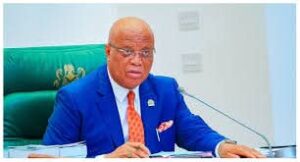
Umo Eno
He emphasized that the governor’s interventions are driven by genuine concern rather than public showmanship, explaining that his focus remains on ensuring that children learn in comfortable and well-equipped environments.
Dr. Ndueso, further encouraged parents to enroll their children in public schools, stressing that the standard of facilities and quality of teachers now surpassed what’s obtained in some private schools.
Other dignitaries, including the Permanent Secretary, AK-SUBEB, Dr. Roseline Etuk, the Permanent Secretary of the State Secondary Education Board, and Dean of Education Secretaries Mr John Ekefre, in their separate remarks, lauded the collaboration between UBEC and SUBEB.
They described the initiative as timely and impactful, while also commending Governor Umo Eno for his visible commitment to educational development.
-
 Crime11 months ago
Kogi Assembly Considers Law To Regulate Rent, Establish Control Board: Tenancy Law
-

 News1 year ago
Atiku Reveals Why He Failed To Pick Wike As Running Mate In 2023
-
 Akwa Ibom1 year ago
The Apostolic Church Gets New Territorial Chairman, Exco
-

 Crime1 year ago
Federal High Court Jails 2 For Vandalizing Transformer, Telecom Mast In Kogi
-
 News1 year ago
The Apostolic Church Gets New National President, Executive
-
 Akwa Ibom1 year ago
Umo Eno Commences Payment Of 80,000 Naira Minimum Wage With Arrears
-

 News1 year ago
Senator Natasha Returns To Senate With Husband Amid Seat Dispute
-
 Economy10 months ago
Kiyosaki: Is Tinubu’s Government Afraid Of Ibrahim Traore?