
News
Borno ICPC Establishes Closer Ties With North-East Civil Society To Fortify Grassroots Anti-Corruption Fight

Borno ICPC Establishes Closer Ties With North-East Civil Society To Fortify Grassroots Anti-Corruption Fight
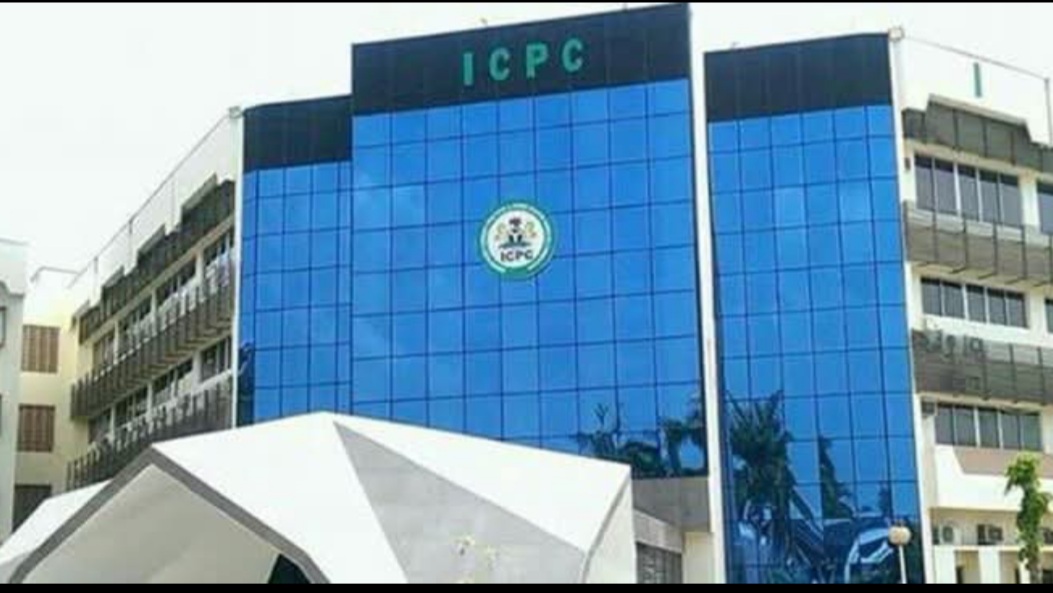
Borno ICPC establishes closer ties with North-East Civil Society to fortify grassroots anti-corruption fight. In a significant move to deepen the fight against corruption at the community level, the Independent Corrupt Practices and Other Related Offences Commission (ICPC) has undertaken a pivotal engagement with the North-East Civil Society Organisation of Nigeria (NECSOB), covering Borno and Yobe states.
The initiative underscores a growing recognition that sustainable governance reforms require the active participation of civil society as frontline partners.
The courtesy visit, led by the Commission’s Resident Anti-Corruption Commissioner (RACC), was strategically designed to bolster collaborative frameworks for public enlightenment, community sensitisation, and the robust monitoring of government-funded projects. A central focus of the dialogue was the work of the Constituency and Executive Project Tracking Division (CEPTD), a unit vital for ensuring that public spending translates into tangible development for citizens.
Receiving the ICPC team, the Chairman of NECSOB, Ambassador Ahmed Shehu, hailed the visit as a timely and essential intervention in the collective battle against corruption. He stressed that synergy between state institutions and civil society is not merely beneficial but indispensable for promoting transparency and good governance.
“We cannot overstate the importance of this partnership. Civil society organisations are the bridge to the communities, and together with the ICPC, we can ensure that every naira allocated for development is accounted for,” Ambassador Shehu stated.
He introduced a distinguished array of stakeholders at the meeting, underscoring the broad-based support for the initiative. Notable figures included Comrade Bulama Asiso (NECSOB), Comrade Yusuf Inuwa (Executive Director, NLC), Comrade Mamman Bukar (Director, NLC), Ambassador Shettima Jaafar Imam (PACHE), Baba-Kura Bukar (FACDA), and Ambassador Kaltume Jaafaru (PCRC).
In his address, the RACC articulated the Commission’s vision of embedding anti-corruption norms within the social fabric. He emphasised that community-based organisations are critical allies in the effort to monitor constituency and executive projects, acting as the “eyes and ears” on the ground to ensure public funds serve their intended purpose. The Commissioner noted that empowering communities with the knowledge to oversee local projects is a powerful deterrent against abandonment and substandard execution.
The interactive session delved into specific mechanisms for enhancing accountability. The Second-in-Command to the RACC, A.D. David Samuel Damdakalak highlighted the importance of collaborative efforts to help Government Ministries, Departments, and Agencies (MDAs) meet their Key Performance Indicators (KPIs). He provided insights into the Commission’s whistle-blowing framework, describing it as a crucial instrument for citizens to safely expose malfeasance and encourage a culture of accountability within public institutions.
Barrister Ibrahim Garba added a legal perspective, calling for more stringent enforcement measures and improved monitoring systems to curb the diversion and mismanagement of public funds. Broadening the scope of the discussion, he also raised a critical concern regarding sexual harassment in society, urging collective action to tackle this misconduct as an integral part of comprehensive integrity reforms.
A former Chairman of the Nigeria Union of Teachers (NUT) brought attention to specific corrupt practices observed in project execution under the CEPTI, particularly concerning e-procurement processes. He advocated for unwavering transparency and strict adherence to due process to eliminate loopholes for corruption.
Adding a vital dimension to the conversation, Hajiya Kaltume Ja’afaru passionately emphasised the indispensable role of women in fostering accountable governance. She called for their increased and meaningful inclusion in advocacy, sensitisation campaigns, and all accountability initiatives, noting that women are often the most affected by poor service delivery and are powerful agents of change within their communities.

ICPC
As a tangible demonstration of its commitment to grassroots education, the ICPC delegation presented a collection of anti-corruption literature and sensitisation materials to the NECSOB Chairman. These resources are intended to support and amplify public awareness campaigns across the region.
The high-level engagement concluded with both parties reaffirming their dedication to sustained collaboration. This renewed partnership will focus on joint project tracking, continuous public education, and the strengthening of transparency mechanisms in Borno and Yobe States. A group photograph marked the occasion, symbolising a unified step forward in the shared resolve to combat corruption and champion the principles of good governance for the benefit of all citizens.












Pensioners Threaten Nationwide Protest, Demand Governors Urgently Review Payment
The National Association of Retirees of State Governments has threatened a nationwide protest unless state governors urgently review pension payments in line with existing labour laws.
Simon Anchaver, president of the union, made the call in Yenagoa at the inauguration of the Bayelsa interim executive of the newly registered union.
The union demanded that the 36 state governors prioritise pension payments.
They equally called on President Bola Tinubu to establish a ministry for pension affairs to guarantee annual budgetary allocations for pensioners’ welfare.
Eereporter.com
The union bemoaned the arbitrary payment of pensions by some governors, and commended the Nasarawa state governor for releasing N7 billion to clear pension arrears and gratuity.
Its national secretary, Bipre Ndiomu, said the union was newly registered and currently inaugurating state executives. He urged state governors to put in place the modalities to guarantee the welfare of pensioners across the country.

Protest Demolition
Bayelsa’s head of service, Wisdom Sawyer, urged the executive to serve as a bridge between retirees and the government, adding that the state government was open to engagement on outstanding issues.
The newly inaugurated state chairman, Bazigha Tanwei, accepted the mandate and promised an open-door policy, regular consultations with members, and sustained advocacy with the state government to clear arrears.
Financial Literacy: NNPC Foundation Trains Batch A Stream 2 Corps Members
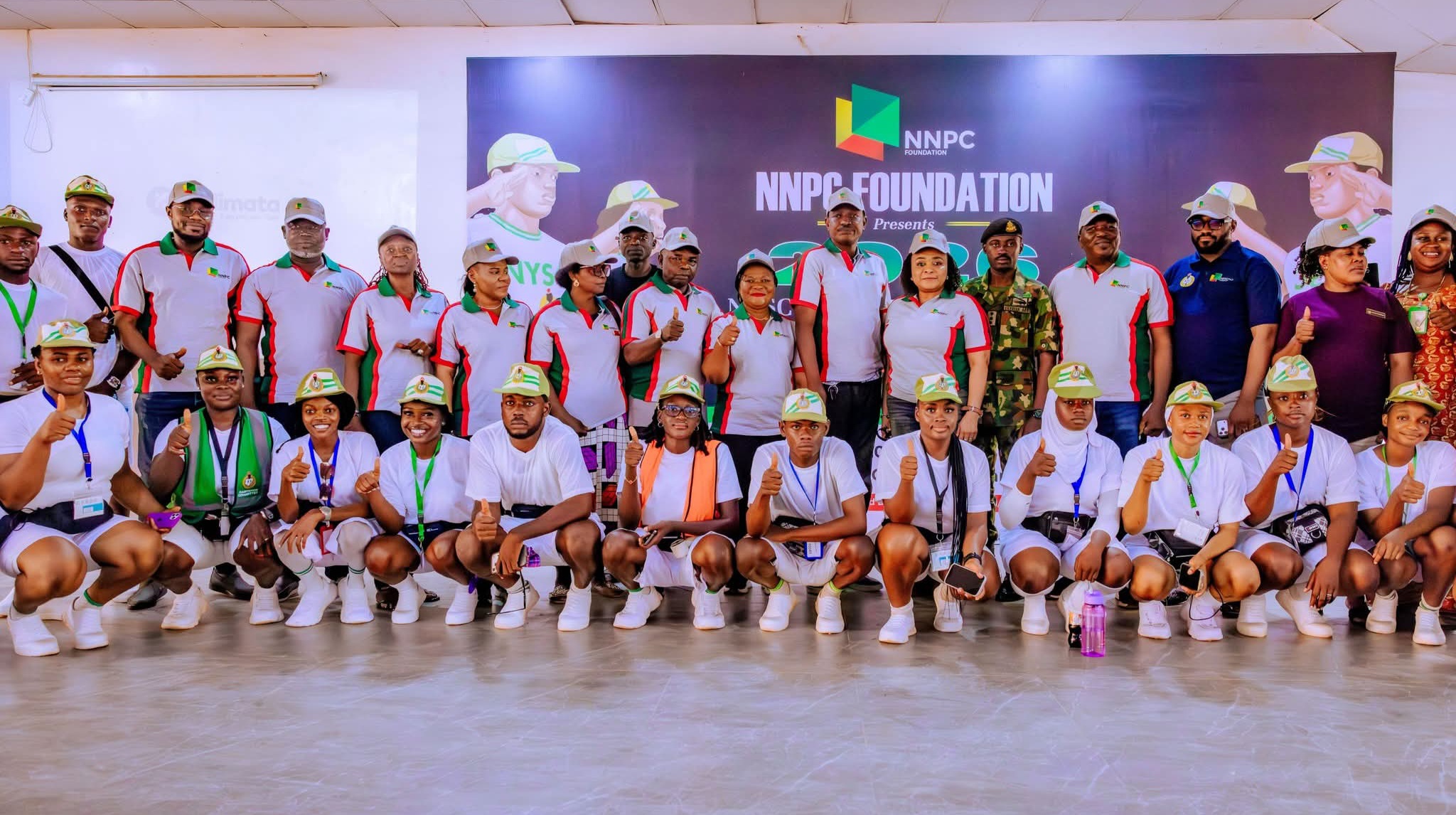
In continuation of its Corporate Social Responsibility (CSR) initiatives on financial literacy, the NNPC Foundation Ltd./Gte has conducted its second 2026 National Youth Service Corps (NYSC) skills empowerment training for Batch A, Stream 2 corps members at the FCT NYSC Orientation Camp, Kubwa, Abuja, over the weekend.
Delivered in partnership with the NYSC Skills Acquisition and Entrepreneurship Development (SAED) scheme, the programme covers financial literacy, entrepreneurship, and business development. Its training structure also includes a financial literacy test, a “Kick Start My Business” course, and business proposal pitching.
Eereporter.com
Managing Director of NNPC Foundation, Emmanuella Arukwe, who was represented by the Head, Programme Management, Rose Okonkwo, noted that over one million corps members have been trained nationwide through the programme.
Acting Director of SAED, Usman Yahaya, commended the NNPC Foundation for its consistent support, urging the corps members to acquire multiple skills during their service year in order to position themselves as job creators and not job seekers.

NNPC, NYSC
It would be recalled that last year, 531 youths received Starter Packs and financial support to help them launch their businesses, with most beneficiaries recording measurable progress across their various enterprises.
The NNPC Foundation Ltd./Gte has, through the financial literacy programme, sustained its commitment to preparing young Nigerians towards sustainable careers and self-reliance, contributing to national economic growth and development.
News
CAS Reaffirms Commitment To Aircraft Safety, Operational Excellence At NAF Airworthiness Seminar
CAS Reaffirms Commitment To Aircraft Safety, Operational Excellence At NAF Airworthiness Seminar
The Chief of the Air Staff (CAS), Air Marshal Sunday Kelvin Aneke, has restated his unwavering commitment to enhancing operational safety and sustaining peak combat readiness through rigorous training, strict adherence to airworthiness standards, and the continuous modernisation of the Nigerian Air Force (NAF).
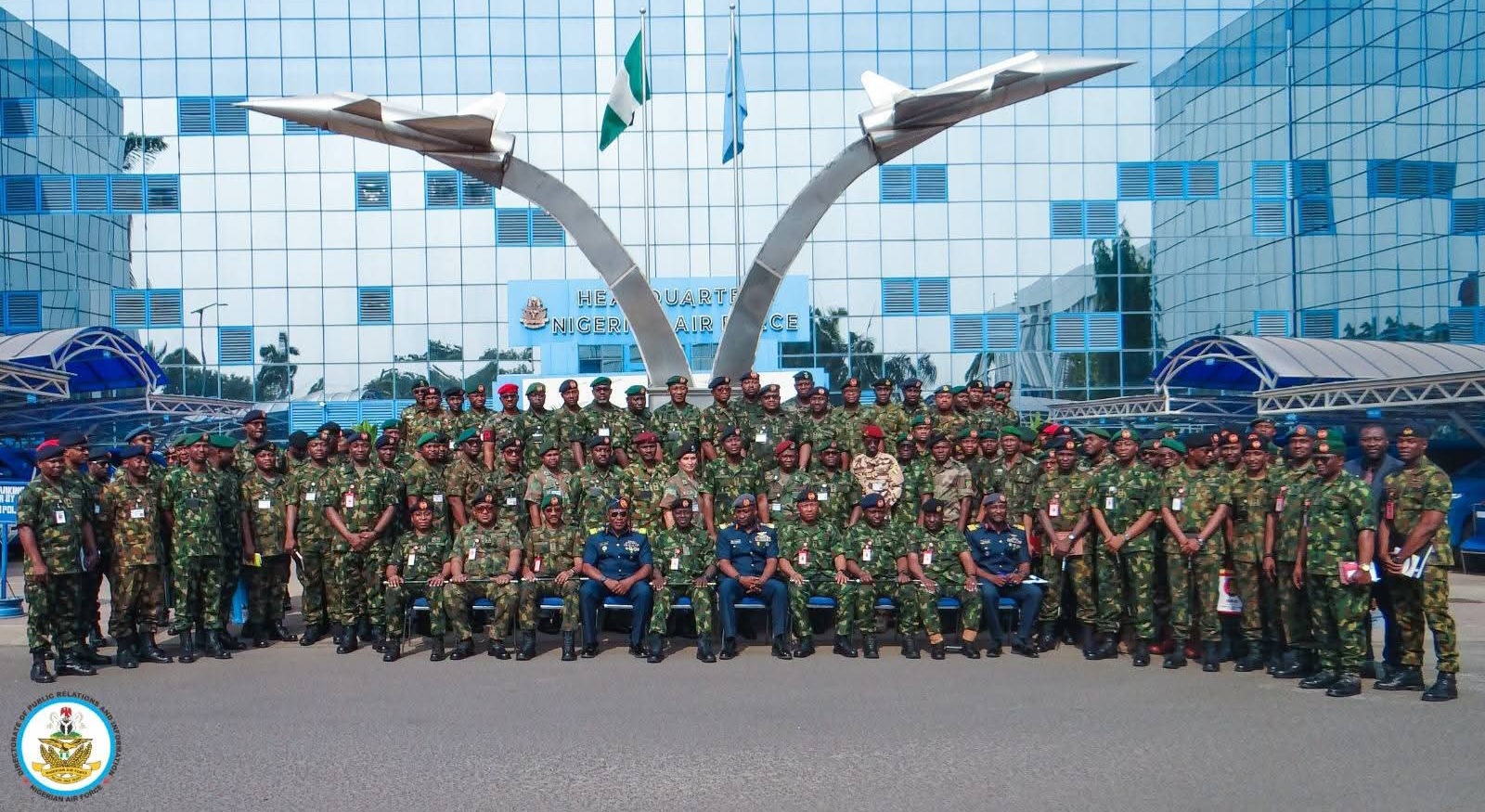
Air Marshal Aneke made this known on Tuesday, 28 April 2026, while declaring open a two-day Airworthiness Seminar organised by the Aircraft Engineering Branch at Headquarters Nigerian Air Force, Abuja. The seminar brought together senior engineering officers, maintenance commanders, logistics experts, and key aviation stakeholders to deliberate on strategies aimed at improving aircraft safety, fleet sustainability, and operational readiness across the Service.
Speaking at the event, the CAS, represented by the Chief of Policy and Plans, Air Vice Marshal AY Abdullahi, emphasised that airworthiness remains non-negotiable in the effective projection of decisive air power, stressing that the safety and reliability of NAF platforms are critical to mission success in ongoing counter-terrorism and internal security operations nationwide. He noted that the seminar aligns with his command philosophy of transforming the Nigerian Air Force into a more capable, professional, and mission-ready fighting force through innovation, discipline, and high operational standards.
Eereporter.com
Air Marshal Aneke further stated that the institutionalisation of stringent maintenance procedures, continuous capacity development, and a strong culture of professionalism, anchored on purposeful lethality, mission effectiveness, and sustained combat capability, will remain enduring principles guiding the Service into the future.
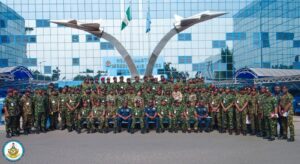
NAF Airworthiness Seminar
A major highlight of the seminar was a technical presentation delivered by Mr Clementi Giorgio, Executive Chairman, Chief Technology Officer, Experienced Test Pilot, Flight Test Engineer, and Flight Test Instructor from the International Test Pilot School, Ontario, Canada.
During his presentation, Mr Giorgio shared global best practices on flight test safety, airworthiness certification, and emerging technologies in aircraft maintenance management.
The seminar is expected to further strengthen the NAF’s maintenance culture, operational efficiency, and readiness to meet contemporary air power demands in defence of the nation.
-

 Crime12 months ago
Kogi Assembly Considers Law To Regulate Rent, Establish Control Board: Tenancy Law
-

 News1 year ago
Atiku Reveals Why He Failed To Pick Wike As Running Mate In 2023
-

 Akwa Ibom1 year ago
The Apostolic Church Gets New Territorial Chairman, Exco
-

 Crime1 year ago
Federal High Court Jails 2 For Vandalizing Transformer, Telecom Mast In Kogi
-

 News1 year ago
The Apostolic Church Gets New National President, Executive
-

 Akwa Ibom1 year ago
Umo Eno Commences Payment Of 80,000 Naira Minimum Wage With Arrears
-

 News1 year ago
Senator Natasha Returns To Senate With Husband Amid Seat Dispute
-

 Economy12 months ago
Kiyosaki: Is Tinubu’s Government Afraid Of Ibrahim Traore?