
Policy
Natasha: I’m Yahaya Bello’s Worst Nightmare Ahead Of 2027 Senatorial Contest

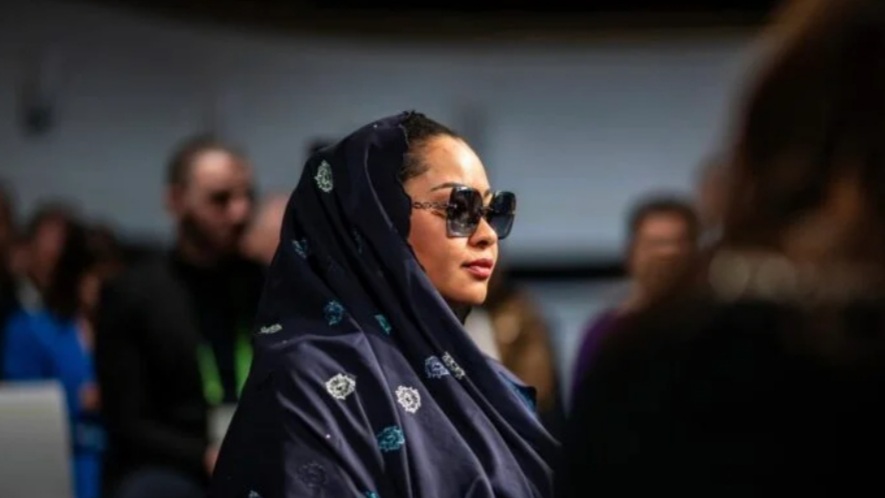
Natasha: I’m Yahaya Bello’s Worst Nightmare Ahead Of 2027 Senatorial Contest
Natasha: I’m Yahaya Bello’s worst nightmare ahead of 2027 senatorial contest. Natasha Akpoti-Uduaghan, senator representing Kogi central, has issued a warning to Yahaya Bello, former governor of Kogi state, ahead of the 2027 elections.
Akpoti-Uduaghan spoke on the Mic On Podcast with Seun Okinbaloye.
There have been reports that the former governor is considering a bid for the senatorial seat currently held by Akpoti-Uduaghan.
The senator dismissed claims that she is intimidated by Bello, recalling her victory over candidates backed by the former governor in the 2023 elections.
She said she is not afraid of facing Bello in the 2027 senatorial contest.
“Let me make this very clear: I am not afraid of Yahaya Bello,” she said.
“He may have been governor, wielded enormous power, and attempted to influence every corner of the political process, but I overcame him.”
Akpoti-Uduaghan said she won the 2023 election across all five local government areas in her district.
She claimed declining to contest a heavily rigged poll in one locality.
“If we meet on the ballot in 2027, it won’t be a contest — it will be a reckoning. I am his nightmare,” she said.
The senator also addressed speculation concerning her political future and party loyalty.
She said she has remained committed to the Peoples Democratic Party (PDP) despite approaches from the All Progressives Congress (APC) and individuals linked to the presidency.
“I have been approached many times, by the presidency, by my colleagues, even by old political allies. Yet, I value my space, my peace, and above all, my people,” she said.
Akpoti-Uduaghan said any decision to contest future elections would be based on consultations with her family, constituents, and party.
She, however, said she could consider other options if the PDP fails to resolve its internal crisis.

Senator Natasha Akpoti
“If PDP hasn’t settled its internal crisis before the elections, I would need just a month to choose a platform of my choice — and my people will move with me,” she added.
In April, Akpoti-Uduaghan alleged that any violence during her planned visit to her constituents should be blamed on Bello, Senate President Godswill Akpabio and Usman Ododo, governor of the state.
Later that month, Bello petitioned Kayode Egbetokun, inspector-general of police, over alleged defamatory statements made against him by the senator.








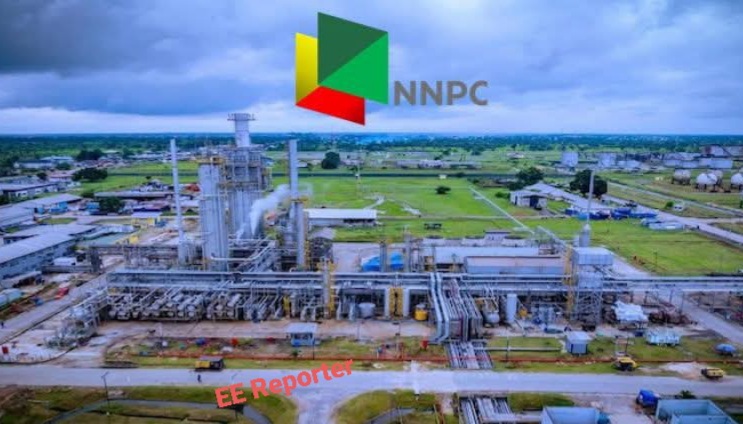
NNPC, Chinese Firms Sign MoU Towards Restart, Expansion Of Warri, Port Harcourt Refineries
The NNPC Ltd has signed a Memorandum of Understanding (MoU) with two Chinese companies, Sanjiang Chemical Company Limited and Xinganchen (Fuzhou) Industrial Park Operation and Management Co. Ltd, for collaboration through a potential Technical Equity Partnership in support of the completion and operation of the Port Harcourt and Warri Refineries.
The MoU was signed by the Group CEO, NNPC Ltd, Engr. Bashir Bayo Ojulari; Chairman, Sanjiang Chemical Company, Guan Jianzhong and Chairman of Xinganchen (Fuzhou) Industrial Park Operation and Management Co. Ltd, Bill Bi, in Jiaxing City, China, on Thursday, April 30, 2026.
Eereporter.com
The potential framework would cover completion of outstanding work at the two refineries, together with operating and maintaining both facilities to achieve best-in-class, sustainable performance. Planned expansion and upgrades would elevate both facilities to cleaner, more profitable product standards.
The potential collaboration also contemplates expanding the refineries’ petrochemical capacities and harnessing gas and downstream opportunities through the development of co-located, gas-based industrial hubs.
Speaking shortly after signing the dotted lines, the GCEO NNPC Ltd, Engr. Bashir Bayo Ojulari, described the MoU execution as a significant milestone, following more than six months of concerted engagement between the technical and management teams of NNPC and the two Chinese partners.
“All parties recognise mutually beneficial opportunities for the development and long-term sustainable profitability of NNPC’s refining assets in Nigeria, and the collective weight required for success,” Ojulari noted.
NNPC
The GCEO further stated that the MoU is a significant step on the journey towards identifying potential technical equity partner(s) to restart and expand NNPC’s refineries, and to explore opportunities in co-located petrochemicals and gas-based industries.
The MoU reflects the parties’ shared intent to progress discussions in good faith, with any definitive arrangements to follow in due course and subject to customary approvals.
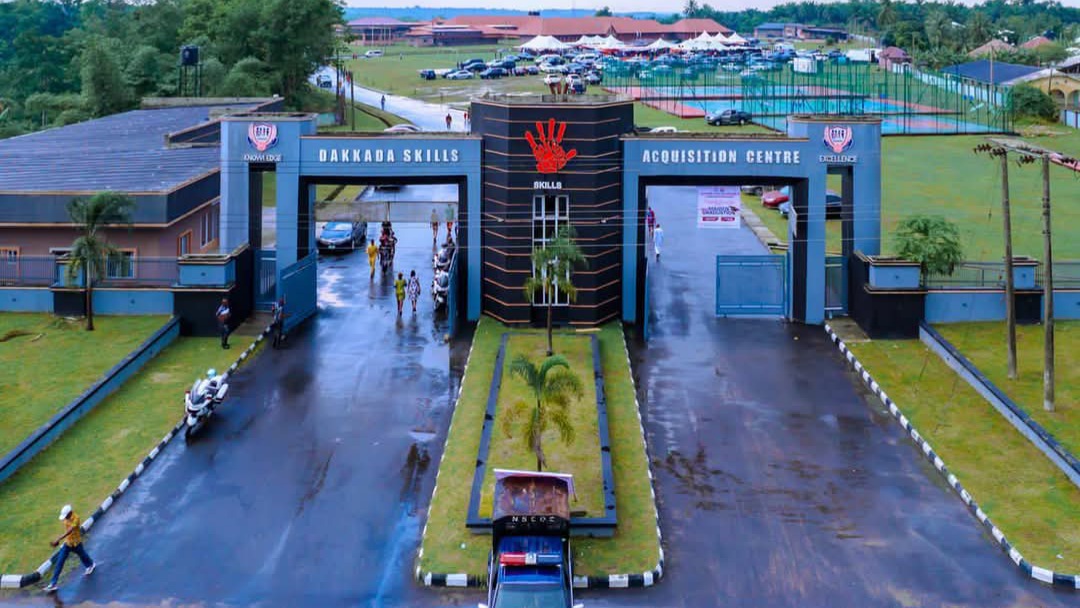
Akwa Ibom: Ten Strategic Investments Of Governor Eno
Governor Umo Eno has invested in a lot of sectors that will energize the economy of Akwa Ibom State. The governor has invested in aviation, tourism, infrastructure, power, education, health care,agriculture, and real estate, and this investment will create jobs, increase internally generated revenue, and spur the state to become a private sector-driven economy.
In this article I will look at ten major investments and provide insights into the economic impact they will bring to the state.
The 18-storey real estate investment in Lagos represents a strategic move by Governor Umo Eno to diversify Akwa Ibom’s asset base beyond the state and oil dependence.
Situated in Nigeria’s commercial capital, the development can include mixed-use components , office space, serviced apartments, retail and possibly an executive suite positioning the state as an institutional landlord and visible investor in the national economy.
Economically, the Lagos tower can generate steady non-oil revenue through rents, capital appreciation and ancillary services (management fees, retail leases).
During construction it will create skilled and unskilled jobs for contractors, artisans and suppliers; once operational it will support property management, security, hospitality and retail employment.
.The completion of a five‑star international hotel with 200 rooms anchors the state’s ambition to capture higher-value tourism and business travel.
A full-service hotel of this scale will host international guests, delegations and business executives and provide conference support in-house, raising Akwa Ibom’s hospitality profile and complementing other MICE infrastructure.
From a revenue and jobs standpoint, a 200-room five-star hotel drives direct employment (front office, housekeeping, food & beverage, management), indirect jobs (supply chains for food, laundry, transport) and fiscal revenue (taxes, levies).
It supports tourism linkages, increases average spend per visitor, and raises the competitiveness of local tourism packages. Success depends on strong brand positioning, international management expertise, consistent service standards and integration with transport and attractions.
A 5,000-capacity international conference centre is a purposeful investment in MICE (Meetings, Incentives, Conferences, Exhibitions) tourism , an economic segment known for high visitor spend and frequent, year-round bookings. Such a centre can host regional , continental and international events, trade fairs and government summits, positioning the state as a hub for policy dialogue and commerce.
The conference centre’s economic impact will flow through hotels, airlines, ground transport, catering and event services, creating both permanent operational jobs and episodic event-based employment.
It can attract foreign exchange earnings, increase hotel occupancy, and stimulate hospitality entrepreneurship (event planners, tech providers).
Upgrading Ibom Air with four additional aircraft ,bring the fleet to 9, equipping the MRO and transforming Victor Attah International Airport into a full international airport are the best investments in air travel.
Expanded fleet capacity allows for new domestic and African routes, while international airport status enables direct flights, cargo services and easier access for tourists and investors.
The MRO which is the first in Nigeria and the only in West Africa, provide the region with maintenance hanger, that will end countries within the sub-Sahara desert from exporting millions of dollars to Europe for repairs of aircrafta.
DAKKADA
Improved air travel will raise business-to-business ties, tourism arrivals and cargo flows, facilitating trade and time-sensitive exports. Job creation spans pilots, cabin crew, engineers, ground-handling, airport operations and regulatory roles.
Eereporter.com
Realizing these gains requires bilateral air services agreements, infrastructure upgrades (customs, immigration, security), airline safety standards and marketing to secure route rights and airline partnerships.
The Ibom International 350‑bed hospital with 50 specialty fields is an investment in high-quality healthcare infrastructure, designed to reduce outbound medical travel and create a regional medical hub.
With multiple specialties, the hospital can handle complex cases, host training programs, and attract medical tourists from neighboring states and countries.
Health-sector investments yield broad social and economic returns: improved population health, higher worker productivity, and savings from reduced medical travel. The hospital will directly employ doctors, nurses, technicians and administrators and indirectly support pharmaceutical, diagnostic and hospitality services. Long-term impact depends on sustainable financing, quality assurance, specialist retention strategies and links with medical schools for staffing pipelines.
The Ibom Deep Sea Port development is a transformational infrastructure project that can reposition Akwa Ibom as a maritime trade gateway in the Gulf of Guinea.
A deep-sea port enables large cargo vessels to call, reduces shipping costs for exporters and importers, and can attract industrial parks, logistics firms and value‑adding activities such as processing and warehousing.
Economically, a deep-sea port can accelerate industrialization, increase non-oil export capacity, and create thousands of jobs in construction, port operation, logistics and associated industries.
It will broaden the state’s revenue base through port fees, land leases and trade-related taxes. Environmental management, strong governance, hinterland connectivity (roads/rail) and competitive tariffs will be critical to realize its full potential and avoid negative social or ecological impacts.
Arise Palm Resort, featuring sporting facilities, a leisure park, tourist accommodation, gardens, Golf Course, and canoe water trips, aims to broaden Akwa Ibom’s leisure and domestic tourism offerings.
By combining sports, eco-tourism and family recreation, the resort can attract local weekend visitors, sports camps and niche international tourists seeking coastal and cultural experiences.
The resort will create jobs in hospitality, recreation management, park maintenance, and tour operations, and stimulate small businesses (food vendors, craft sellers, transport).
It supports youth engagement through sports programmes and can be leveraged for sports tourism events. Sustainability planning , protecting coastal and aquatic ecosystems, inclusive access for local communities and careful pricing to ensure broad benefits , will determine long-term success.
Establishing a 4‑star hotel in Abuja broadens the state’s national footprint and creates a commercial base in the federal capital. This allows Akwa Ibom to host official delegations, business promotion events and investors in Abuja while generating independent revenue from guests and conferences.
A capital-city hotel diversifies revenue streams, enhances the state’s brand among federal institutions and investors, and creates hospitality and corporate service jobs.
It can serve as a satellite for state-led business development desks and trade promotion, linking Abuja-based clients back to opportunities in Akwa Ibom. Financial viability will depend on location, competitive service levels, and strong sales and marketing.
Commencing generation and distribution of power to consumers addresses one of Nigeria’s most binding constraints to economic growth: unreliable electricity. State-led power initiatives, whether through gas, renewables or hybrid systems, can lower costs for businesses, reduce downtime for manufacturers and create a more attractive environment for investors and SMEs.
Reliable power unlocks productivity gains across manufacturing, hospitality, healthcare and ICT, enabling higher-value activities and new enterprises. Jobs will be generated in generation, transmission, distribution, meter services and maintenance, while households benefit from improved living standards.
Building an aviation village and the Ewet Luxury Estate to attract tourists represents an integrated tourism-real estate strategy: the aviation village can provide an experiential, visitor-focused precinct near the airport while the luxury estate offers high-end accommodation and residential options for tourists and affluent residents. Combined, they can create an upscale corridor that leverages improved air links and other attractions.
Together these developments can raise property values, create construction and service jobs, and support ancillary businesses (gardening, security, concierge).
They can also attract diaspora investment and longer-stay visitors, increasing per-visitor revenue. However, planners must mitigate risks of exclusionary development by ensuring affordable linkages for local communities, delivering public goods (roads, waste, water) and establishing governance arrangements that prioritize local employment, skills transfer and long-term maintenance for sustainable inclusive growth.
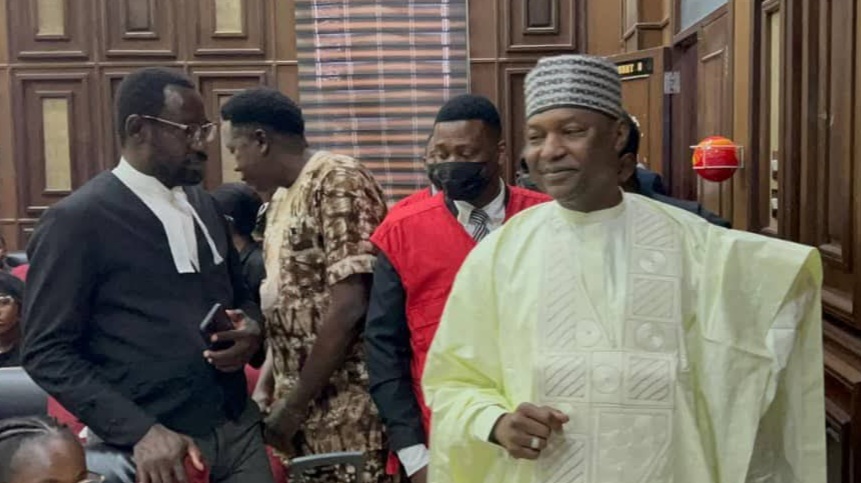
High Court Admits Nine Exhibits Against Malami, Family
A Federal High Court sitting in Maitama, Abuja and presided over by Justice Joyce Abdulmalik on Monday, April 20, 2026 admitted nine exhibits against a former Attorney-General of the Federation and Minister of Justice, Abubakar Malami, SAN, alongside his wife, Hajia Bashir Asabe, and his son, Abubakar Abdulaziz Malami.
The exhibits were presented before the court by the Economic and Financial Crimes Commission, EFCC, in its ongoing trial of the former Minister and some family members.
The EFCC is prosecuting the defendants on an amended 16-count charge bordering on conspiracy, procuring, disguising, concealing and laundering proceeds of unlawful activities to the tune of N8,713,923,759.49 (Eight Billion, Seven Hundred and Thirteen Million, Nine Hundred and Twenty-Three Thousand, Seven Hundred and Fifty-Nine Naira, Forty-Nine Kobo), contrary to the provisions of the Money Laundering (Prevention and Prohibition) Act, 2022.
The exhibits, which are documentary in nature, were tendered through the fourth prosecution witness, Mashelia Arhyel Bata, a compliance officer with Zenith Bank Plc.
Led in evidence by prosecution counsel, J. S. Okutepa, SAN, the witness told the court that, in the course of his official duties, he received correspondence from the EFCC requesting documents relating to several accounts linked to the defendants and associated entities.
“I work as a compliance officer with Zenith Bank, Maitama branch. My duty includes receiving correspondence from law enforcement agencies and responding accordingly,” he said.
Bata further disclosed that the bank complied with EFCC’s requests by providing both soft and hard copies of documents relating to accounts belonging to the defendants and companies such as Rayhaan Hotels Limited, Rayhaan Bustan Agro Allied Limited, Nashab Limited, Golden Age Global Ventures, and Rahamaniyya Properties Limited.
“My lord, the documents are nine,” he stated, confirming his ability to identify them when presented in court.
Upon application by Okutepa, the court admitted the documents, dated between July 19, 2024 and March 12, 2026, as Exhibits D1 to D9, despite an initial objection by defence counsel, J. B. Daudu, SAN, who noted that “the dates are almost all in March.”
Continuing his testimony under further examination by prosecution counsel, Ekele Iheanacho, SAN, the witness provided details of transactions contained in the exhibits.
He identified Exhibit D1 as containing account opening documents and statements for accounts belonging to Abubakar Malami and A.A. Malami & Co, including a naira account and a dollar account.
According to him, the statement of account for one of the accounts covered the period from January 1, 2012 to December 31, 2023.
The witness confirmed that the accounts were active between 2015 and 2023, noting that “there were transfers within that period.”
He further revealed that total credits into one of the accounts stood at N383,637,21.55 between January 1, 2016 and December 31, 2023, while total credits from January 1, 2012 to December 31, 2015 amounted to N560,506,465.12.
On debits, he stated that N384,322,120.85 was recorded between 2016 and 2023, while N571,891,174.08 was debited between 2012 and 2015.

Malami
Giving further breakdown of transactions, the witness told the court that on November 11, 2020, the account received N194,791,608.00 from New Horizons Limited, and on June 24, 2022, it received N622,500,000.00 from Rayhaan Bustan Agro Allied Limited.
He added that on July 1 and July 7, 2022, the account received N250 million each from Rayhaan Hotels Limited, while on December 22, 2022, there was an inflow of N500 million linked to Rayhaan Bustan Agro Allied Limited.
Eereporter.com
Continuing in that format, the witness identified so many transactions running into billions.
Following the testimony, the defence counsel, J.B Daudu SAN sought an adjournment to enable him study the exhibits and prepare for cross-examination.
“My lord, we need time to go through the nine exhibits tendered,” Daudu said.
Justice Abdulmalik subsequently adjourned the matter till May 13, 2026, for continuation of trial.
-
 Crime1 year ago
Kogi Assembly Considers Law To Regulate Rent, Establish Control Board: Tenancy Law
-

 News1 year ago
Atiku Reveals Why He Failed To Pick Wike As Running Mate In 2023
-
 Akwa Ibom2 years ago
The Apostolic Church Gets New Territorial Chairman, Exco
-

 Crime1 year ago
Federal High Court Jails 2 For Vandalizing Transformer, Telecom Mast In Kogi
-
 News2 years ago
The Apostolic Church Gets New National President, Executive
-
 Akwa Ibom2 years ago
Umo Eno Commences Payment Of 80,000 Naira Minimum Wage With Arrears
-

 News1 year ago
Senator Natasha Returns To Senate With Husband Amid Seat Dispute
-

 Economy1 year ago
Kiyosaki: Is Tinubu’s Government Afraid Of Ibrahim Traore?